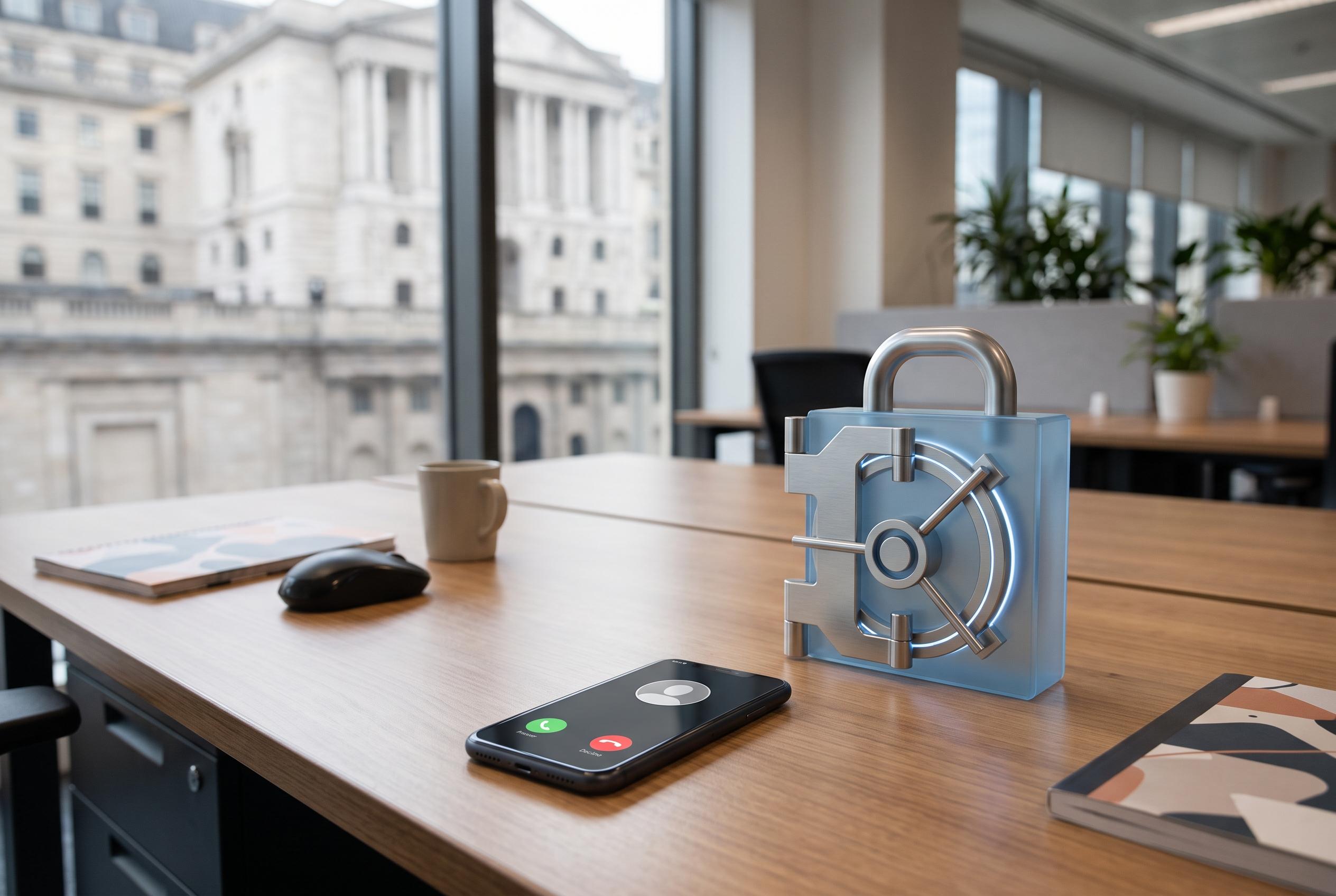

Fraudsters continue to exploit trust by requesting bank account and routing numbers via manipulated phone calls, prompting warnings for consumers to stay vigilant and verify identities through official channels.
A common phone scam is built around a simple request: a caller asks for a bank account number and routing number, often claiming the details are needed to issue a refund, release a payment or fix a supposed account problem. The appeal of the trick lies in its directness. Rather than using a long chain of deception, the fraudster goes straight for the information that can be used to move money in and out of an account.
Scam scripts vary, but they usually follow a familiar pattern. Some callers pose as government officials promising a refund, benefit payment or stimulus deposit. Others pretend to represent a company or utility and say the victim has been overcharged. A more aggressive version claims there has been suspicious activity and insists the numbers are needed to “verify” the account, a request that banks would not normally make because they already hold the relevant information. Scammers may also use caller ID spoofing to make the call appear to come from a bank or public agency, and they often exploit bits of real personal data gathered from breaches or earlier phishing attempts.
Bank account and routing numbers are not a complete key to an account, but they can still be misused. Fraudsters can use them to attempt unauthorised ACH transfers or recurring debits, which can create real financial damage. Consumer banking systems and federal protections may limit some losses, but experts still warn that the numbers should not be treated casually when they are requested by an unsolicited caller.
Banks and government agencies generally do not need a customer to read out those details to process a legitimate payment. According to bank fraud alerts and consumer guidance, genuine institutions are far more likely to use official portals, pre-existing records or mailed correspondence than a live phone request for sensitive banking information. The Better Business Bureau and banks such as Monterey County Bank advise consumers to ignore unexpected requests for account details and to be wary of urgency, pressure and claims of emergency.
The safest response is straightforward: hang up and contact the bank or agency using a trusted number from an official website, statement or card, not one given during the call. Banks may sometimes ask for limited verification, such as the last four digits of a Social Security number, but they will not ask for full identifying details, passwords, PINs or one-time passcodes over an unsolicited call. Any request that depends on a caller getting those numbers directly should be treated as suspicious until independently confirmed.
Disclaimer: This article is intended to inform and educate, not to recommend or endorse any financial product, investment or strategy. Please consider your own financial circumstances and seek professional advice where appropriate before making financial decisions.