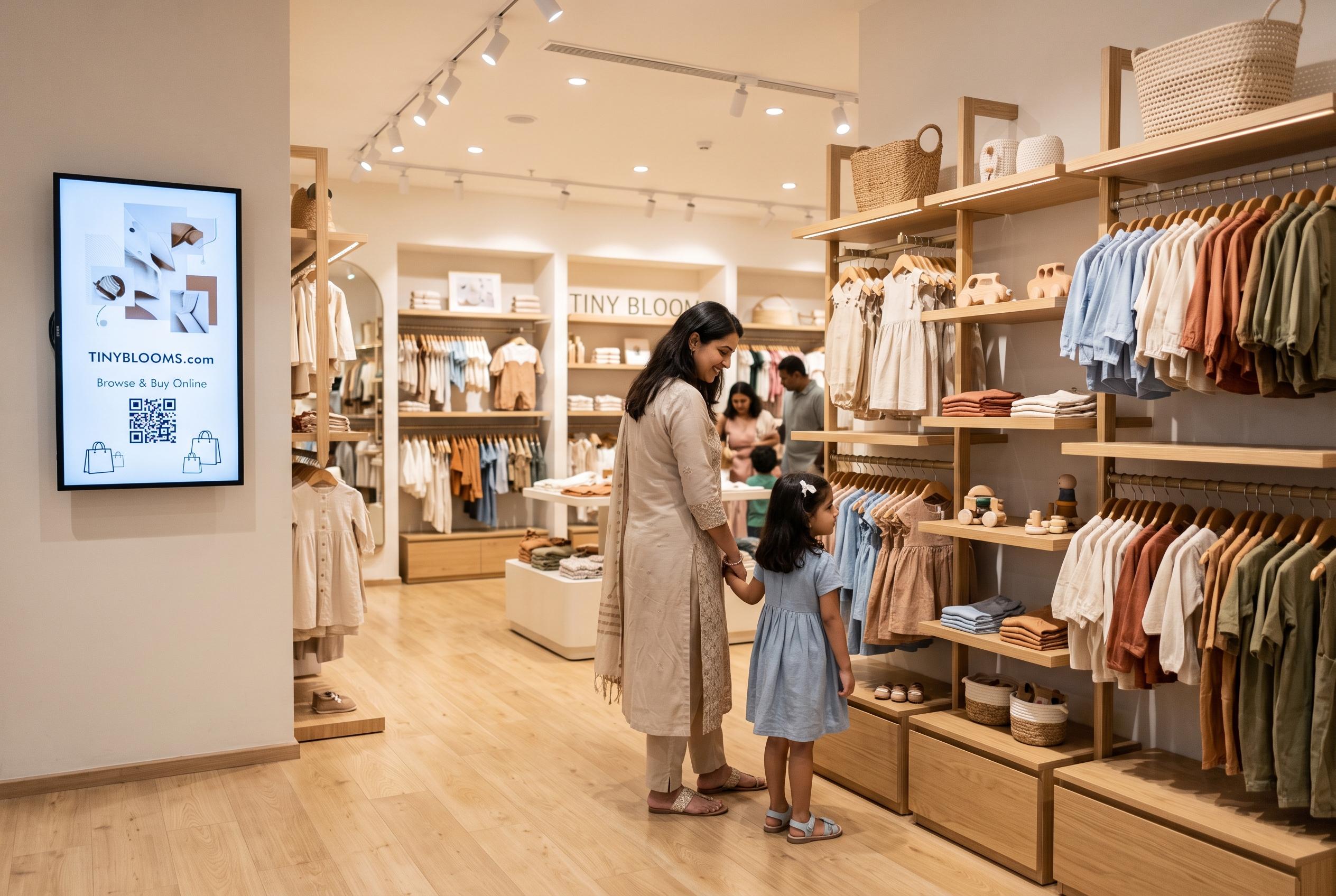

India’s kids apparel market is experiencing steady growth driven by organised retail expansion, digitalisation, and changing consumer preferences, despite structural challenges and price competition.
India’s kids apparel market is set for steady expansion over the next decade, though not at the pace seen in some broader clothing categories. IMARC Group estimates the market was worth $22.57 billion in 2025 and will rise to $27.17 billion by 2034, implying annual growth of 2.08% between 2026 and 2034. The consultancy says the sector is being supported by higher disposable incomes, the spread of organised retail into smaller cities and the growing influence of online shopping tools that make parents more confident about buying clothes for children without seeing them in person.
A major shift is under way in the retail landscape. Trent’s value-fashion chain Zudio, which sells kidswear alongside adult clothing, had grown to 963 stores in 321 cities by March 31, 2026, with more than 80% of new openings in a recent quarter concentrated in tier-II and tier-III cities and emerging local markets. That kind of expansion is helping formal retail gain ground in a category long dominated by local and unorganised sellers. IMARC says organised retail accounted for 59% of the market in 2025, underscoring how quickly branded chains are reshaping a price-sensitive business.
The report also points to premiumisation and digital adoption as important forces. Apparel Group launched Levi’s Kids in India in December 2025, extending a globally recognised brand into clothing for children aged 4 to 16 through e-commerce platforms and a phased store rollout. In the same month, Google introduced its AI-powered Virtual Apparel Try-On tool in India, allowing shoppers to upload a photo and preview garments before purchase. IMARC argues such tools could reduce uncertainty over fit, a longstanding obstacle to online sales in kidswear.
Even so, the market faces structural limits. Children outgrow clothing quickly, which can discourage families from paying more for premium items, while the unorganised sector continues to compete aggressively on price. IMARC says cotton remained the leading fabric type in 2025 with a 40% share, while T-shirts and shirts held the largest category share at 22%. Summer wear led seasonal demand with 35%, exclusive stores accounted for 28% of distribution, boyswear held 51% and North India was the largest regional market with 28%.
The broader picture is one of a category moving gradually towards formalisation rather than explosive growth. IMARC’s India kidswear report separately values that segment at $11.1 billion in 2025 and projects it will reach $17.4 billion by 2034, with a faster 4.90% annual growth rate. That suggests the children’s clothing market is being pulled in two directions at once: towards branded, premium and digitally enabled shopping on one side, and towards low-cost, high-turnover purchases on the other.
Disclaimer: This article is intended to inform and educate, not to recommend or endorse any financial product, investment or strategy. Please consider your own financial circumstances and seek professional advice where appropriate before making financial decisions.