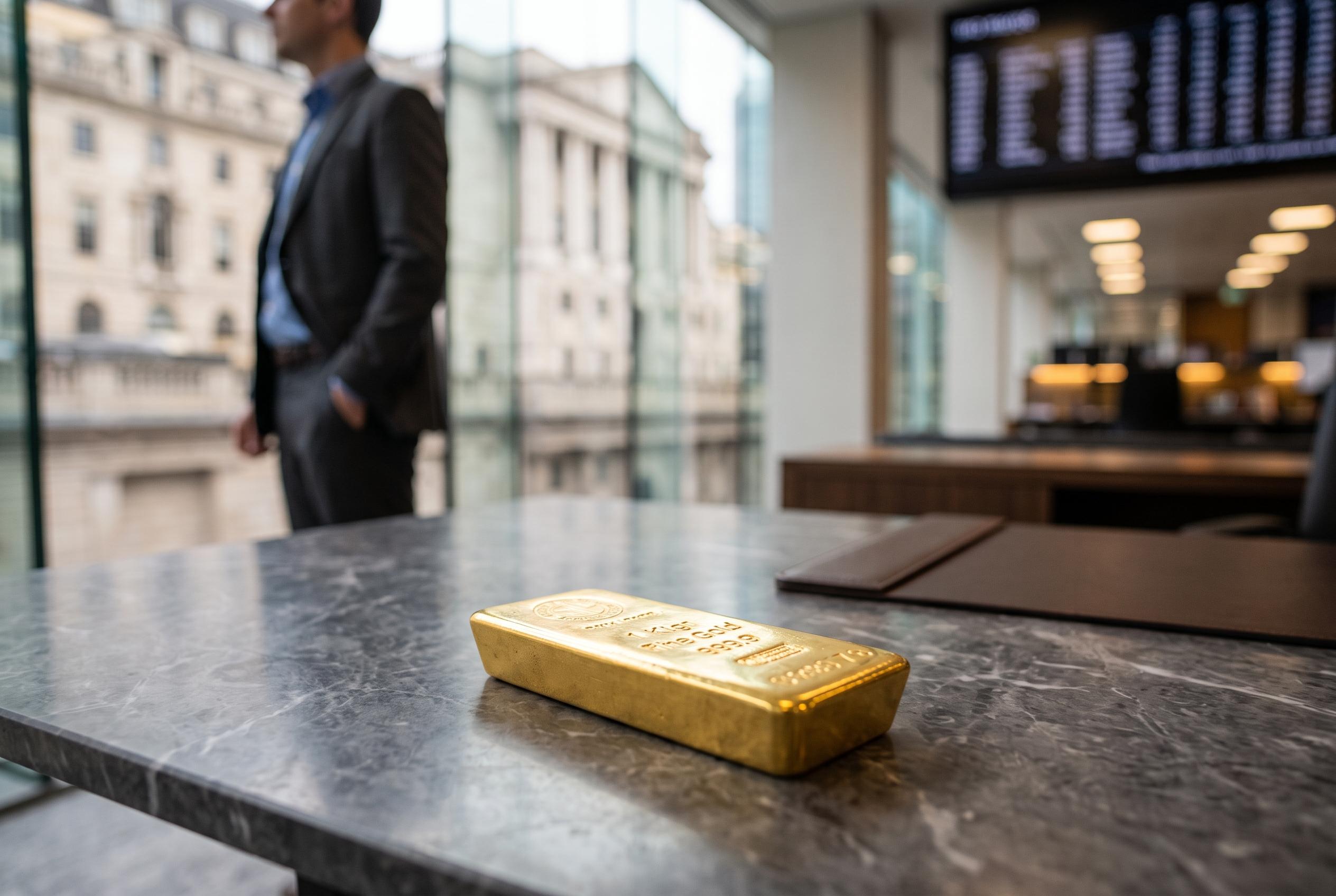

Gold has surged to a record $2,850 an ounce in mid-2025, driven by geopolitical tensions, persistent inflation, and increased official-sector purchases, highlighting its role as a safe haven in volatile times.
Gold has climbed to a record level in mid-2025 as investors seek shelter from global uncertainty and changing expectations for interest rates. Spot prices rose more than 15% in three months and touched $2,850 an ounce on June 10, underscoring how quickly demand for the metal has strengthened.
The latest advance reflects a familiar mix of worries: geopolitical tension, stubborn inflation and the prospect of central banks cutting rates later than markets had hoped. As stocks swing and bond yields remain hard to predict, gold continues to appeal to investors looking for a store of value rather than income.
Central bank buying has also given the market a strong foundation. The World Gold Council said central banks bought 1,137 tonnes in 2024, the third straight year of purchases above 1,000 tonnes. That followed a record first quarter in 2024, when official-sector buying reached 290 tonnes, with China, India and Turkey among the largest purchasers.
The momentum continued through the rest of the year. The council reported another 183 tonnes in the second quarter and 186 tonnes in the third, putting purchases well ahead of recent historical norms. In November 2024, central banks added a net 53 tonnes, with Poland again among the biggest buyers and China resuming additions after a pause. That steady accumulation suggests the rally is not just a short-term trade, but part of a broader effort by official institutions to diversify reserves away from the dollar.
For investors, the appeal is straightforward: gold can help offset inflation, currency weakness and market stress. But it has a trade-off, since it pays no yield. Analysts say the main risks to the rally are a stronger dollar or a Federal Reserve that delays easing. Still, with central bank demand remaining firm, gold may have more support than many other assets if uncertainty stays elevated.
Disclaimer: This article is intended to inform and educate, not to recommend or endorse any financial product, investment or strategy. Please consider your own financial circumstances and seek professional advice where appropriate before making financial decisions.