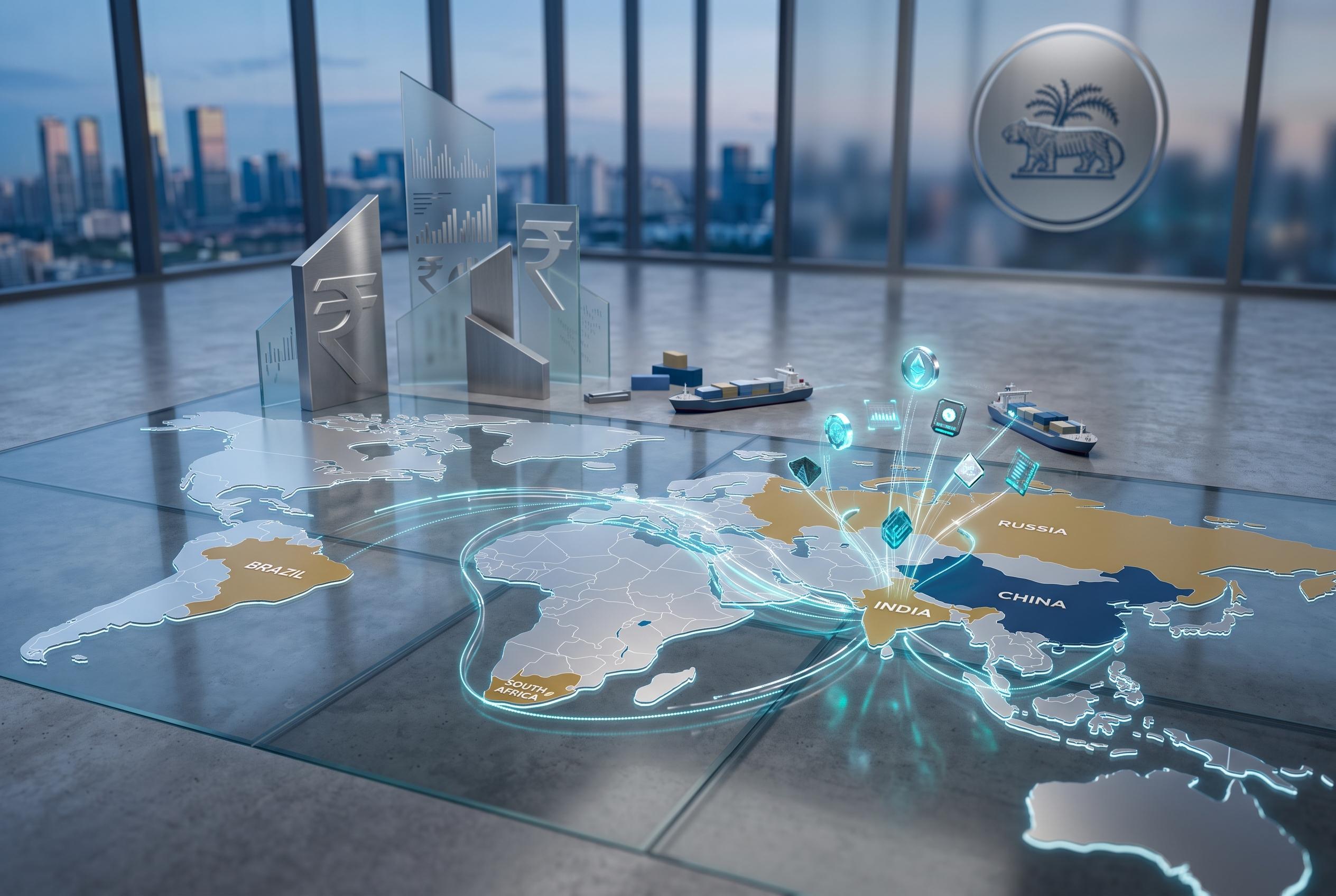

The Reserve Bank of India is intensifying efforts to expand the rupee’s international footprint through enhanced trade settlements, digital currency initiatives, and deeper collaborations with BRICS nations amidst geopolitical and cyber risks.
Reserve Bank of India Governor Sanjay Malhotra said the central bank is stepping up efforts to expand the rupee’s role in cross-border trade and payments, while also working with BRICS members on ways to make international transfers faster and less costly. Speaking at a FICCI-Indian Banks Association event, he said the issue is part of a wider push to internationalise domestic currencies, with particular attention on reducing friction in retail payments and speeding up settlements.
Malhotra pointed to Unified Payments Interface, India’s instant retail payments system, as a model for what quicker transfers can look like. He said the RBI is considering several options to improve cross-border payments, including links between national payment systems and the possible use of central bank digital currencies, although he stressed that these ideas remain under discussion rather than implementation. Reuters and other Indian business publications have reported that the broader debate also reflects the challenge of reducing reliance on correspondent banking, which can make overseas transactions slower and more expensive.
The governor also said the RBI wants more trade to be settled in local currencies. India already has arrangements with several countries, but Malhotra said the volumes are still small and need to be expanded. According to recent reports, the central bank has signed agreements with the United Arab Emirates, Mauritius, the Maldives and Indonesia to build awareness among importers and exporters about how local-currency trade can work. Separate reports on the UAE agreements said the deals include a local currency settlement framework and a plan to link UPI with the UAE’s instant payments system.
On the wider policy front, Malhotra said the RBI sees geopolitical uncertainty and cyber risk as two major threats, but argued that India’s economy and banking system are well placed to absorb shocks. He said the banking sector remains strong, with robust growth, low bad loans and healthy profitability, while the macroeconomic backdrop is supported by resilient growth, contained inflation and comfortable foreign exchange reserves. Business Standard and other outlets have also noted that, despite the BRICS discussions, a shared BRICS currency remains a distant prospect and the US dollar still dominates global trade.
Disclaimer: This article is intended to inform and educate, not to recommend or endorse any financial product, investment or strategy. Please consider your own financial circumstances and seek professional advice where appropriate before making financial decisions.