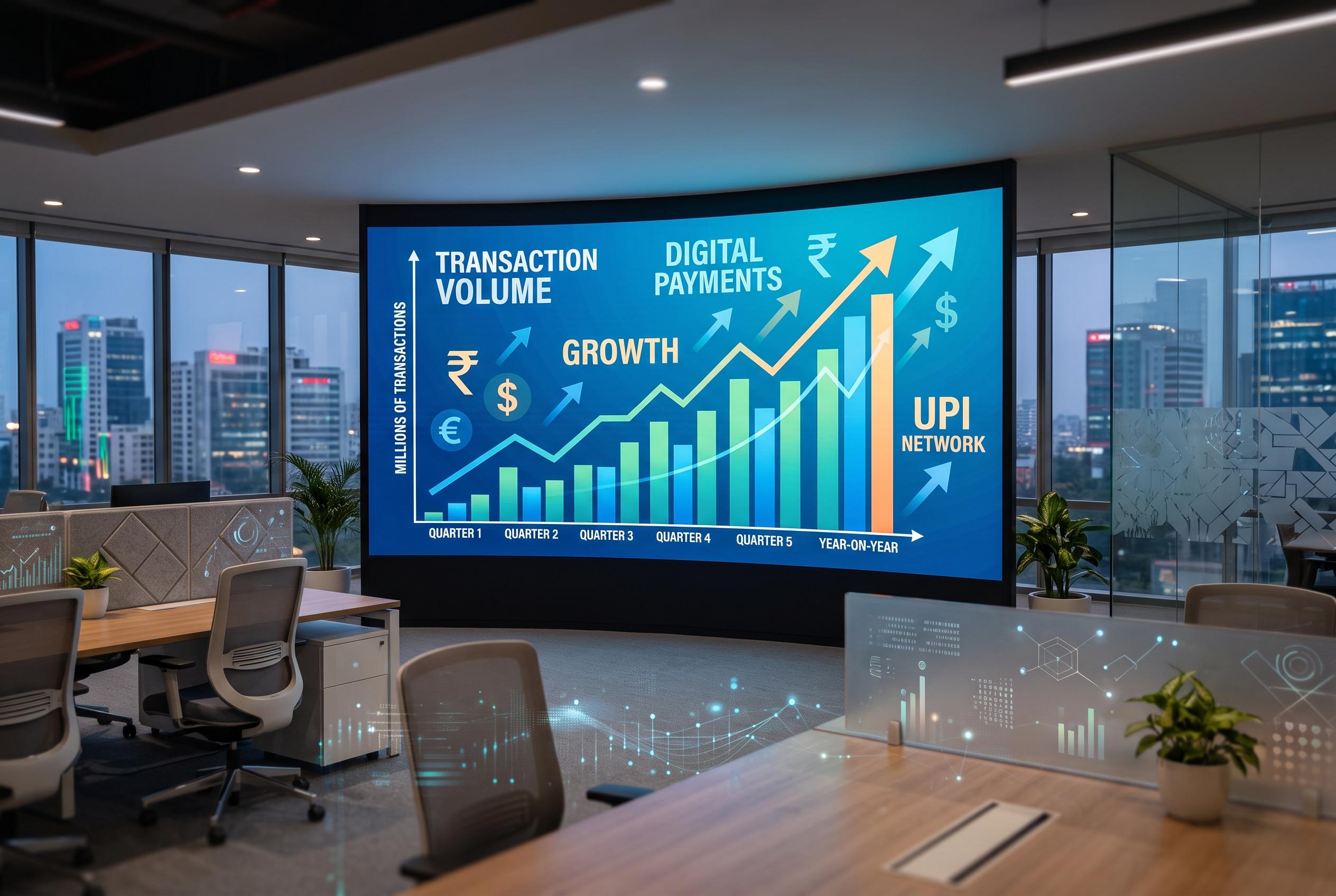

As UPI’s ubiquity transforms commerce across India, a debate erupts over introducing a transaction fee to sustain the system, overshadowing its record-breaking usage and growth.
UPI has become so deeply embedded in everyday life in India that even a small change to its pricing model is bound to provoke a strong response. The government-backed payments rail, which has turned QR codes into a near-ubiquitous feature of shops and street stalls, now sits at the centre of a debate over whether users should continue to enjoy completely free transactions or whether a tiny fee should be introduced to help banks recover infrastructure costs. In June, government data showed UPI had 55.49 crore users, while in FY26 it handled 24,162 crore transactions worth Rs 314 lakh crore, underlining just how large the system has become.
Disclaimer: This article is intended to inform and educate, not to recommend or endorse any financial product, investment or strategy. Please consider your own financial circumstances and seek professional advice where appropriate before making financial decisions.