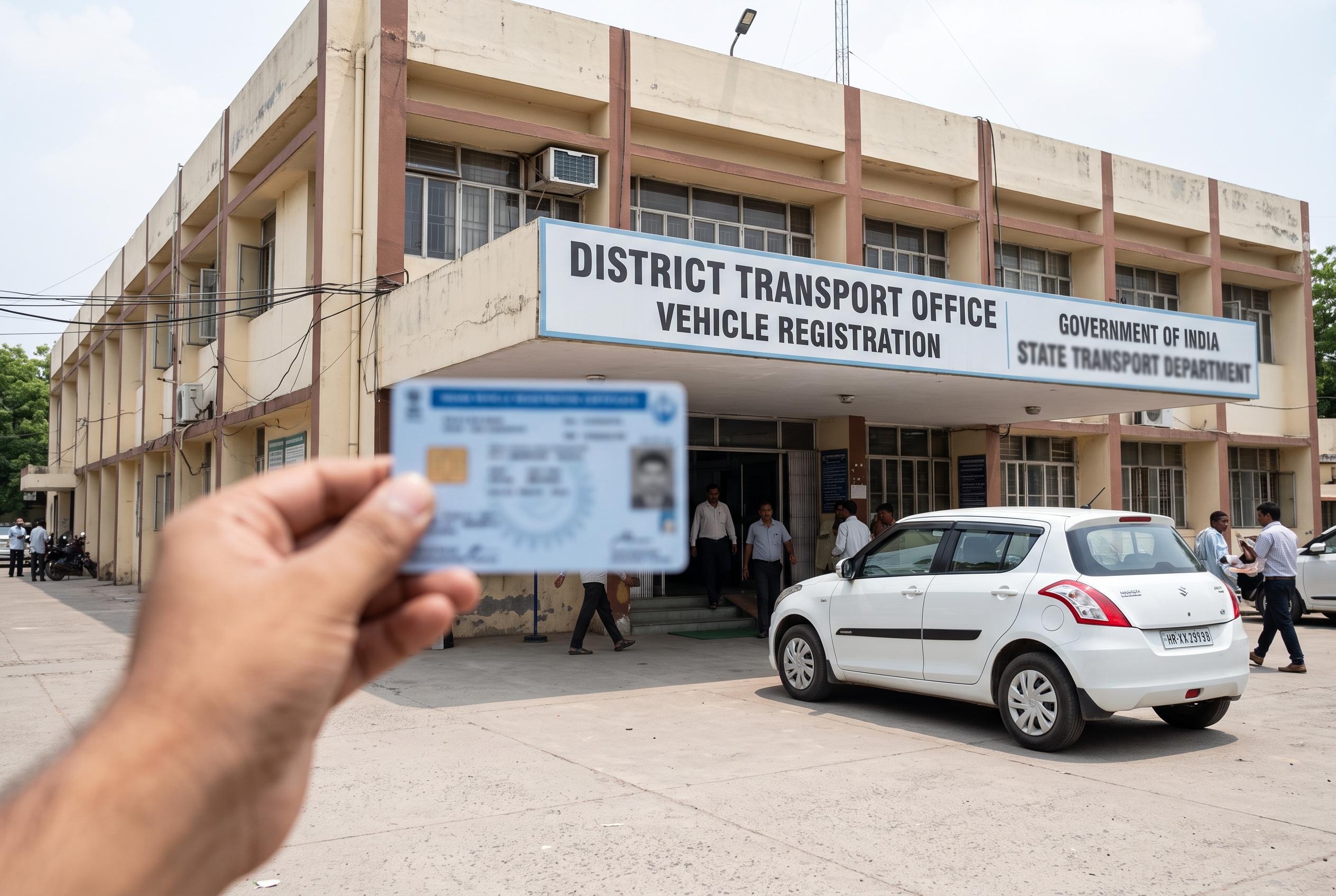

Car buyers in India face complex costs affected by state-specific road tax policies, with final prices often differing significantly from showroom stickers based on registration location and fuel type.
The price on a car’s showroom sticker can be misleading in India, where the final amount often changes sharply once state levies are added. What a buyer pays can depend less on the vehicle itself than on where it is registered, because road tax is set by individual states and can vary widely from one jurisdiction to another. The result is that the same model may end up costing thousands or even lakhs more, depending on local rules and surcharges.
According to explanations in the supplied material, the legal basis for that variation comes from Entry 57 of the State List in the Indian Constitution, which allows states to impose motor vehicle tax. Industry guides on Indian vehicle registration say those taxes are commonly structured in slabs linked to ex-showroom price, fuel type and, in some places, the registration category. That means a higher-priced car can move into a more expensive bracket, while diesel vehicles often face a heavier burden than petrol or CNG models because of emissions concerns. Electric vehicles have often benefited from lower rates or exemptions, although that position is changing in some states.
The same guides also point out that states do not rely on a single formula. Many add their own cesses and surcharges, such as road safety levies, infrastructure development charges, parking fees and green taxes on older vehicles. Road tax is also sometimes treated differently when a vehicle is registered in a company’s name rather than an individual’s, which can make ownership through a business significantly more expensive. For buyers, that creates a registration cost that can feel almost as complex as the vehicle purchase itself.
A practical example of how policy can shift came in Karnataka, where a report in April 2026 said the state ended its electric vehicle tax exemption and introduced a lifetime road tax on EVs. That move illustrated how quickly the economics of clean transport can change when state governments revise their revenue policy. It also highlighted a broader tension in Indian transport taxation: states want income to fund roads and traffic management, while buyers look for incentives that keep newer and cleaner vehicles affordable.
One way motorists try to reduce the confusion is through the Bharat, or BH, registration series, which was created to make interstate ownership easier for eligible buyers such as people with transferable jobs. Instead of paying a full 15-year amount to one state at the outset, BH-series owners pay in instalments every two years. The supplied material says the rates are set by vehicle price and fuel type, with lower charges for electric vehicles and higher charges for diesel models. For anyone comparing cars, the message is clear: the sticker price is only the start, and the true on-road cost depends heavily on the state where the vehicle will live.
Disclaimer: This article is intended to inform and educate, not to recommend or endorse any financial product, investment or strategy. Please consider your own financial circumstances and seek professional advice where appropriate before making financial decisions.