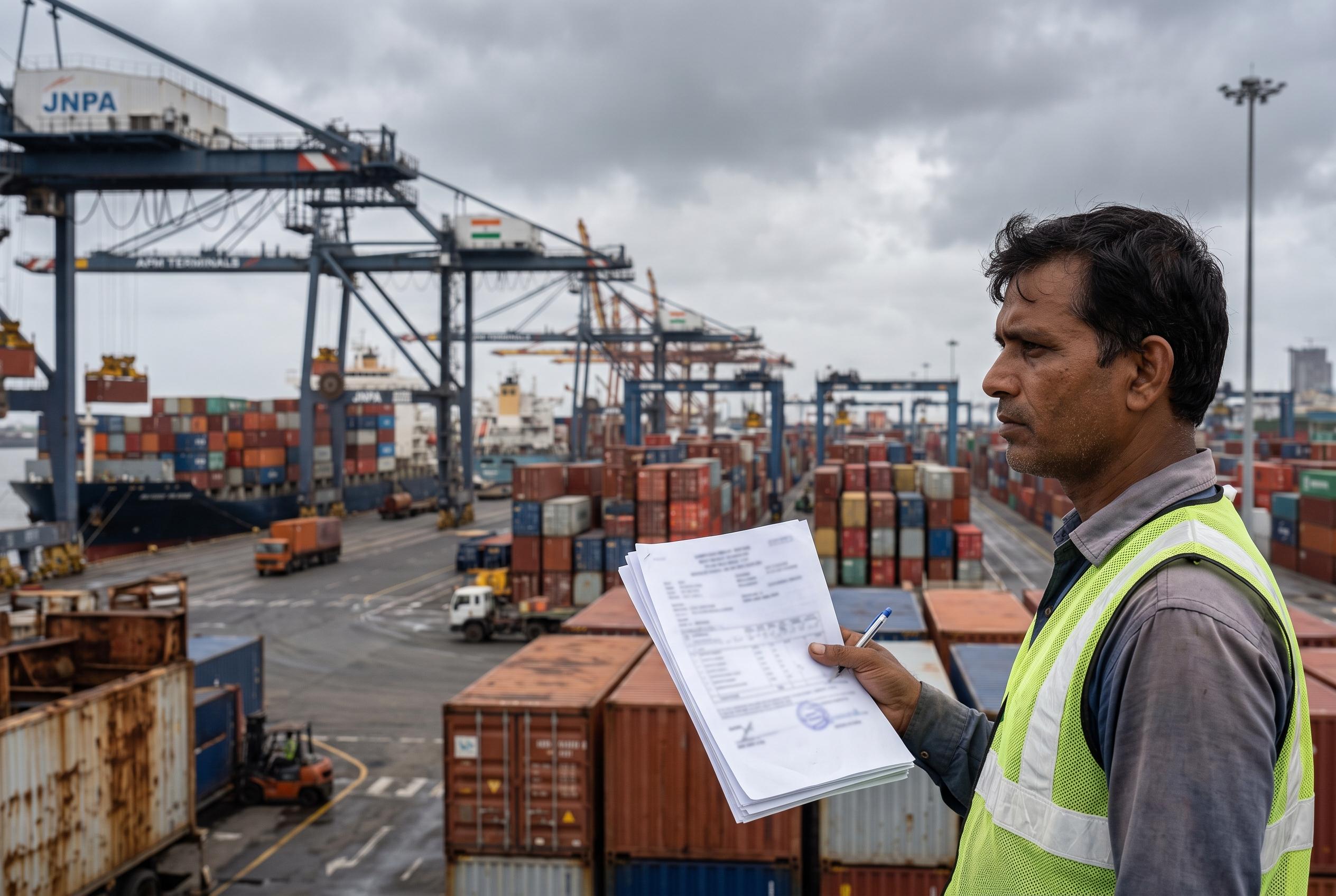

Indian rice exporters face a dramatic increase in freight rates amid container shortages and regional supply issues, threatening margins and domestic prices amid broader trade and agricultural pressures.
India’s rice exporters are facing a sharp rise in logistics costs as a shortage of shipping containers pushes freight rates far above normal levels, adding fresh pressure to a sector already dealing with tight supplies and volatile global trade conditions. According to the report from Rice News Today, the cost of moving a container has climbed from roughly $2,000 to about $7,500, a jump that traders say is eroding margins and weakening the country’s price advantage abroad. Business Standard has separately reported that disruption linked to the West Asia crisis left about 45,000 Indian containers stranded, forcing exporters to look for longer routes or even bring cargo back home.
The strain is not limited to exports. In Tamil Nadu, rice prices are rising as poor yields and weaker inflows from Andhra Pradesh, Telangana and Karnataka reduce available supply, traders told local outlets. Rice News Today said prices could rise by ₹10 to ₹15 a kilogram in the coming days, while TamilTick reported that 25 kg bags have already moved from about ₹1,400 to as much as ₹1,800. Premium varieties have seen even steeper increases, with seeraga samba among the most affected.
Farmers in Kanyakumari are also warning of a separate threat in the fields themselves. Rice News Today reported that wild rice, or weedy rice, has spread across nearly 150 acres in Chenbagaramanputhoor, roughly a third of the village’s paddy land, making crops harder to manage and pushing up labour costs. Because the weed closely resembles cultivated rice at early stages, farmers say it is difficult to spot and remove in time, increasing the risk that it will spread further. The local farmers’ association has called for a government inspection and technical guidance.
Taken together, the developments point to a wider squeeze on India’s rice economy, from production and transport to market prices. Recent reporting on export prices shows Indian rice already trading at a near 10-month high, reflecting tight paddy supplies and weather-related uncertainty. At the same time, farmer groups in Tamil Nadu have pressed for higher support prices, arguing that input costs are climbing faster than government procurement rates.
Disclaimer: This article is intended to inform and educate, not to recommend or endorse any financial product, investment or strategy. Please consider your own financial circumstances and seek professional advice where appropriate before making financial decisions.