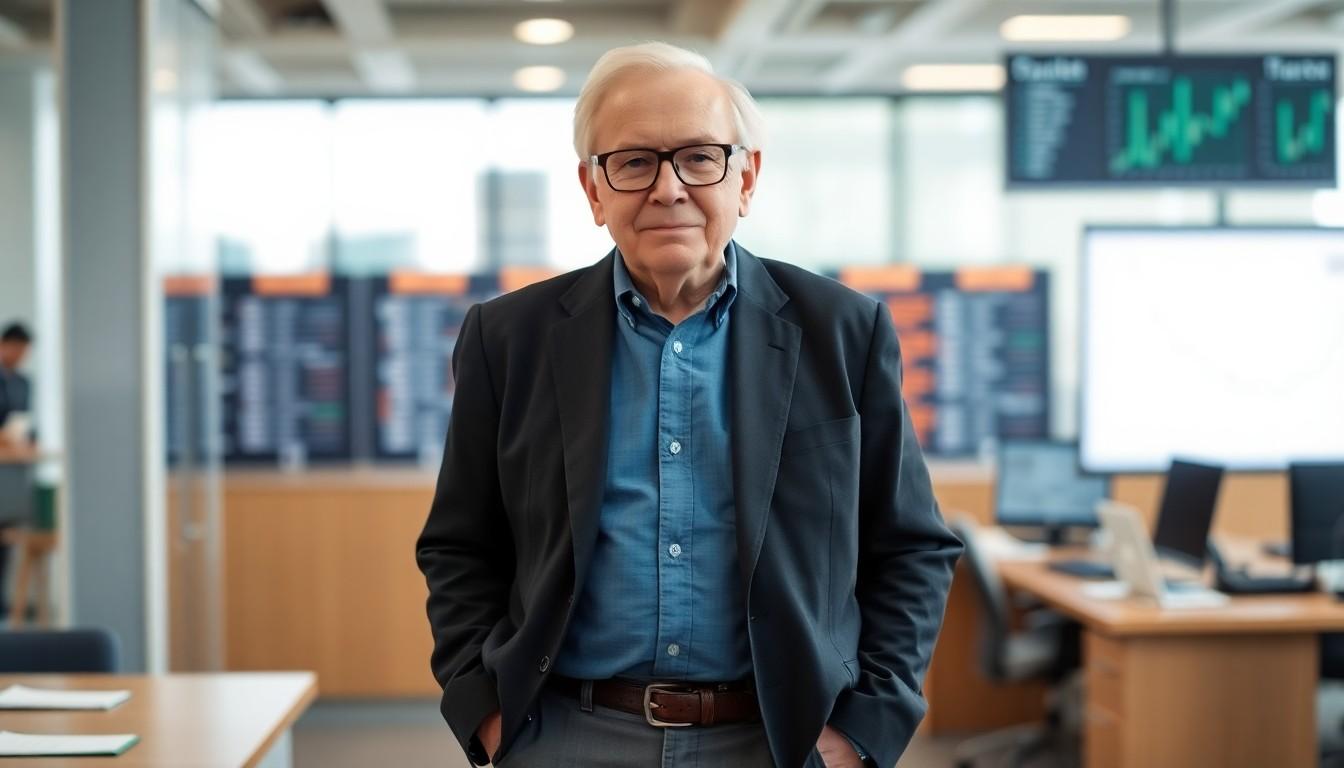

Warren Buffett has cautioned that market enthusiasm for IPOs and artificial intelligence companies is fostering a gambler-like mindset among investors, risking volatile swings and misjudged risks.
Warren Buffett has again warned that markets are rewarding speculation more than discipline, arguing in a recent CNBC interview that investors are increasingly behaving like gamblers. He said it is getting harder to find real value when so many people prefer risk-taking over ownership with a long horizon.
That warning lands at a time when enthusiasm around initial public offerings is building again. New listings often attract a flood of first-time buyers because they offer a rare chance to get in early on a company that has been private for years. But that excitement can quickly slide into fear of missing out, pushing people to buy shares they do not fully understand and to treat one trade as a shortcut to riches.
The danger is that IPOs can be brutally volatile. Shares can surge on debut, then retreat just as quickly, leaving late buyers with steep paper losses or forcing them to sell at the wrong time. The recent trading in SpaceX is a case in point: after opening strongly and then racing higher, the stock later fell sharply, showing how fast euphoria can turn into disappointment.
The same dynamic could emerge if major artificial intelligence companies such as Anthropic or OpenAI ever go public. Their businesses may have huge long-term potential, and the broader AI market is projected to expand dramatically over the next decade. But Buffett’s point is that the outcome for shareholders depends less on chasing the hype than on being willing to own a company through years of turbulence. As he put it in his 1996 shareholder letter, “If you aren’t willing to own a stock for ten years, don’t even think about owning it for ten minutes.”
Disclaimer: This article is intended to inform and educate, not to recommend or endorse any financial product, investment or strategy. Please consider your own financial circumstances and seek professional advice where appropriate before making financial decisions.