

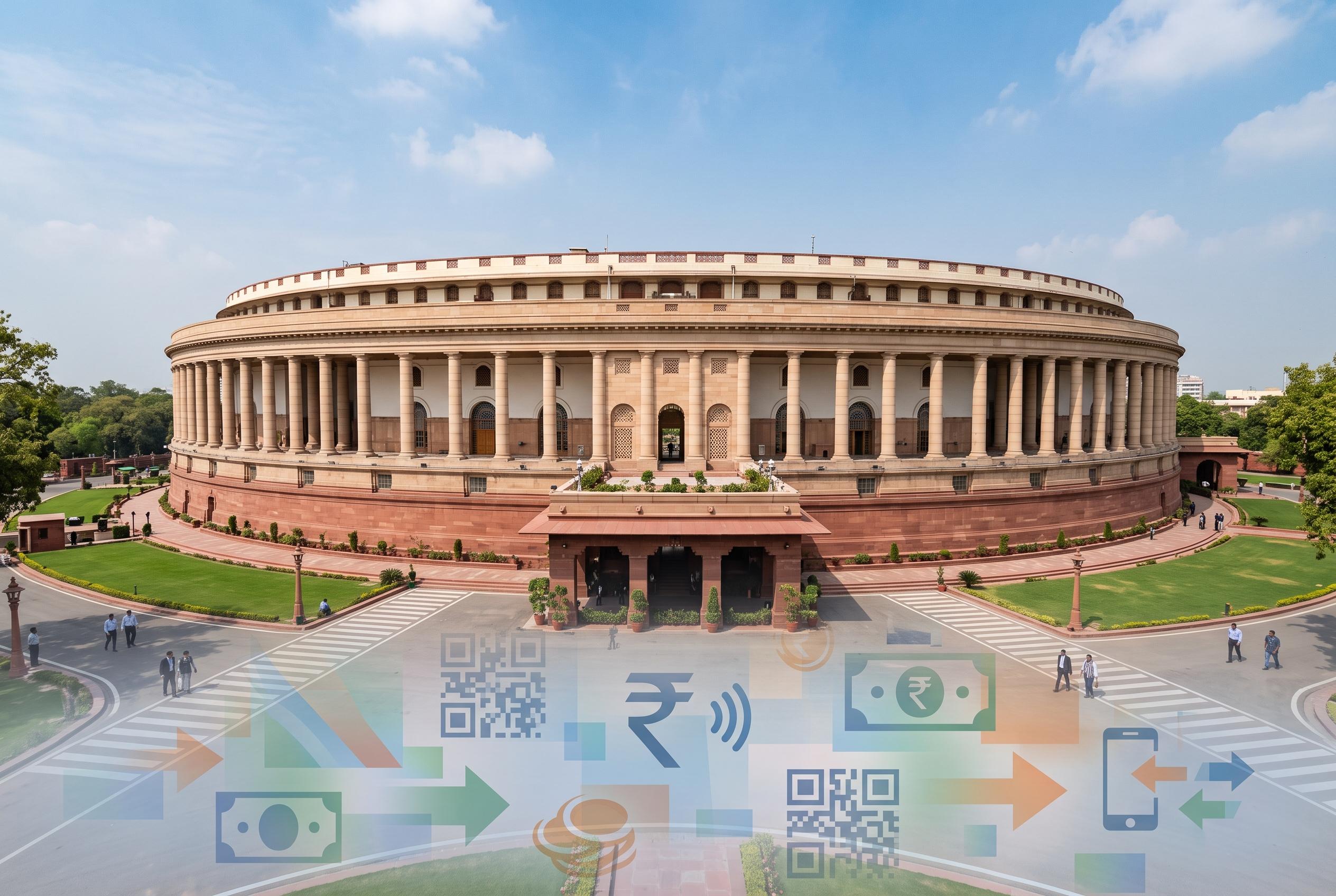

India’s parliament approves legislation enabling transaction fees for businesses on UPI, signalling a major shift in the country’s widely used digital payment system while promising to keep user charges free.
India has moved closer to allowing merchant charges on its vast digital payments network, opening a path away from the zero-fee model that has underpinned the system since its rapid rise. The upper house of parliament passed legislation on Monday that would let banks and payment processors charge businesses for transactions routed through the Unified Payments Interface, or UPI, while the government said ordinary users would not be taxed or charged.
The move matters because UPI has become central to everyday commerce in the country, handling smartphone-based payments for hundreds of millions of people. Finance ministry figures cited by Reuters show transaction volumes have risen sharply since the platform launched in 2016, reaching 241 billion payments worth about $3.3 trillion in the last fiscal year. The International Monetary Fund has described it as the world’s largest real-time payment system by volume, processing more transactions than Visa or Mastercard globally.
Finance Minister Nirmala Sitharaman said the measure would help banks and fintech companies invest in infrastructure, innovation and security. She also said the enabling provision did not impose any tax or transaction charge on UPI users, adding that any fee would be aimed at large merchants above a certain threshold. Industry bodies have argued that smaller shops should remain exempt and that charges, if introduced, should be confined to bigger businesses such as airlines, e-commerce firms and food delivery platforms.
Recent government data suggests the system’s scale continues to expand. The Press Information Bureau said that by June 2026 UPI had onboarded 55.49 crore users and processed 24,161.69 crore transactions in fiscal 2025-26, worth ₹314.23 lakh crore. Other industry reports have pointed to continued growth through 2025 and into 2026, with UPI accounting for the overwhelming share of transaction volumes in India’s payments market even as larger-value settlements remain concentrated elsewhere.
The government has long promoted UPI as a pillar of digital commerce, including through subsidies and efforts to bring small businesses into the network after Prime Minister Narendra Modi’s 2016 currency crackdown accelerated the shift towards electronic payments. Operated by the National Payments Corporation of India, UPI has also been exported beyond India and is now live in several countries, with New Delhi signing cooperation agreements with more than 20 others.
Disclaimer: This article is intended to inform and educate, not to recommend or endorse any financial product, investment or strategy. Please consider your own financial circumstances and seek professional advice where appropriate before making financial decisions.



