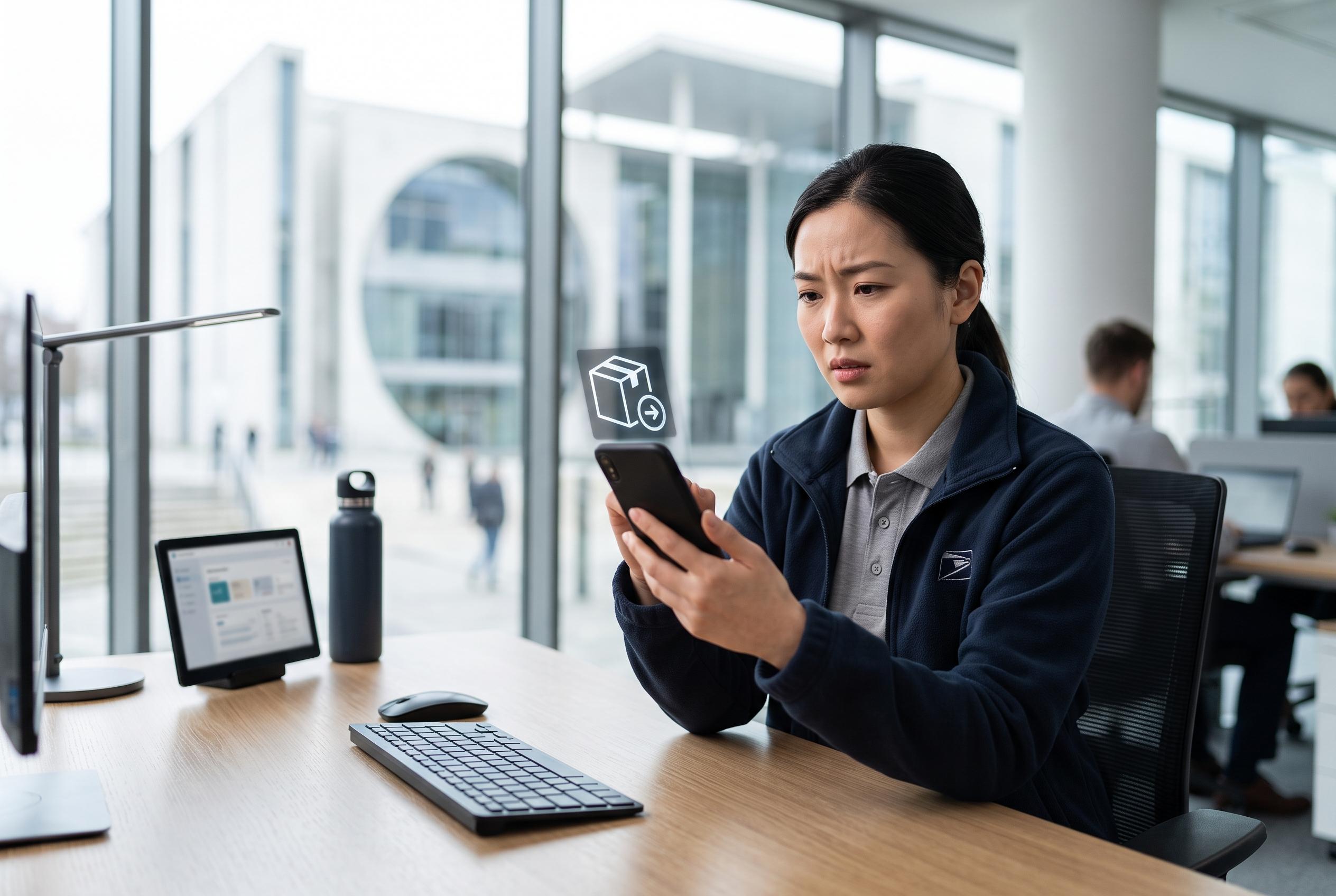

Authorities in Cần Thơ warn of a new, more convincing fraud method that combines fake delivery calls with impersonation to pressure victims into multiple money transfers, highlighting the importance of verifying support channels and resisting urgency tactics.
Calls from a supposed courier have become so routine in the age of online shopping that many people barely think twice when they pick up. That familiarity is exactly what scammers are exploiting, according to police in Cần Thơ, where officers say a new wave of fraud is combining fake delivery calls with a second layer of impersonation to pressure victims into sending money repeatedly.
The scam often begins with a person claiming to be a shipper and asking for payment for a parcel. Once the transfer is made, the caller says the money was sent to a “delivery registration account” or some other fictitious service account and warns that the victim must act quickly to avoid fees or other financial consequences. The victim is then directed to call another number, supposedly belonging to the post office or a courier company’s support team.
At that point, a second fraudster takes over, posing as customer service or technical support. Victims are asked for names, identity numbers, bank details, screenshots of transactions and other personal information under the pretext of verification. According to Cần Thơ police, some are then instructed to send more money to “check the system”, “unlock the transaction” or “complete the cancellation”, with the promise that every đồng will be returned.
The method is effective because it is staged. Reuters has previously reported on similar fake-shipper schemes in Vietnam, noting that leaked personal data has made the calls more convincing by allowing criminals to refer to real orders and delivery details. Vietnamese news sites have also described the fraud as a broader pattern of online-shopping deception, with complete order information often used to lower suspicion and push victims into acting fast.
Examples cited by local media show how costly the ruse can be. One man in Ho Chi Minh City said he lost nearly 48 million dong after being told a package payment had been misdirected and then being pushed through a series of supposed fixes. A woman in Bình Dương said she transferred more than 86 million dong after calling what she believed was a legitimate support line to cancel a fake delivery account.
Police and cybersecurity experts say the warning signs are clear: no courier company, post office or government agency asks people to transfer money to cancel an account or fix a delivery problem. Officials also stress that scammers depend on urgency, using threats of account freezes, penalties or system deadlines to stop victims from thinking critically. The advice is simple: do not send money over the phone, do not share OTPs or bank details, and verify any suspicious call through official customer-service channels before taking action.
Disclaimer: This article is intended to inform and educate, not to recommend or endorse any financial product, investment or strategy. Please consider your own financial circumstances and seek professional advice where appropriate before making financial decisions.