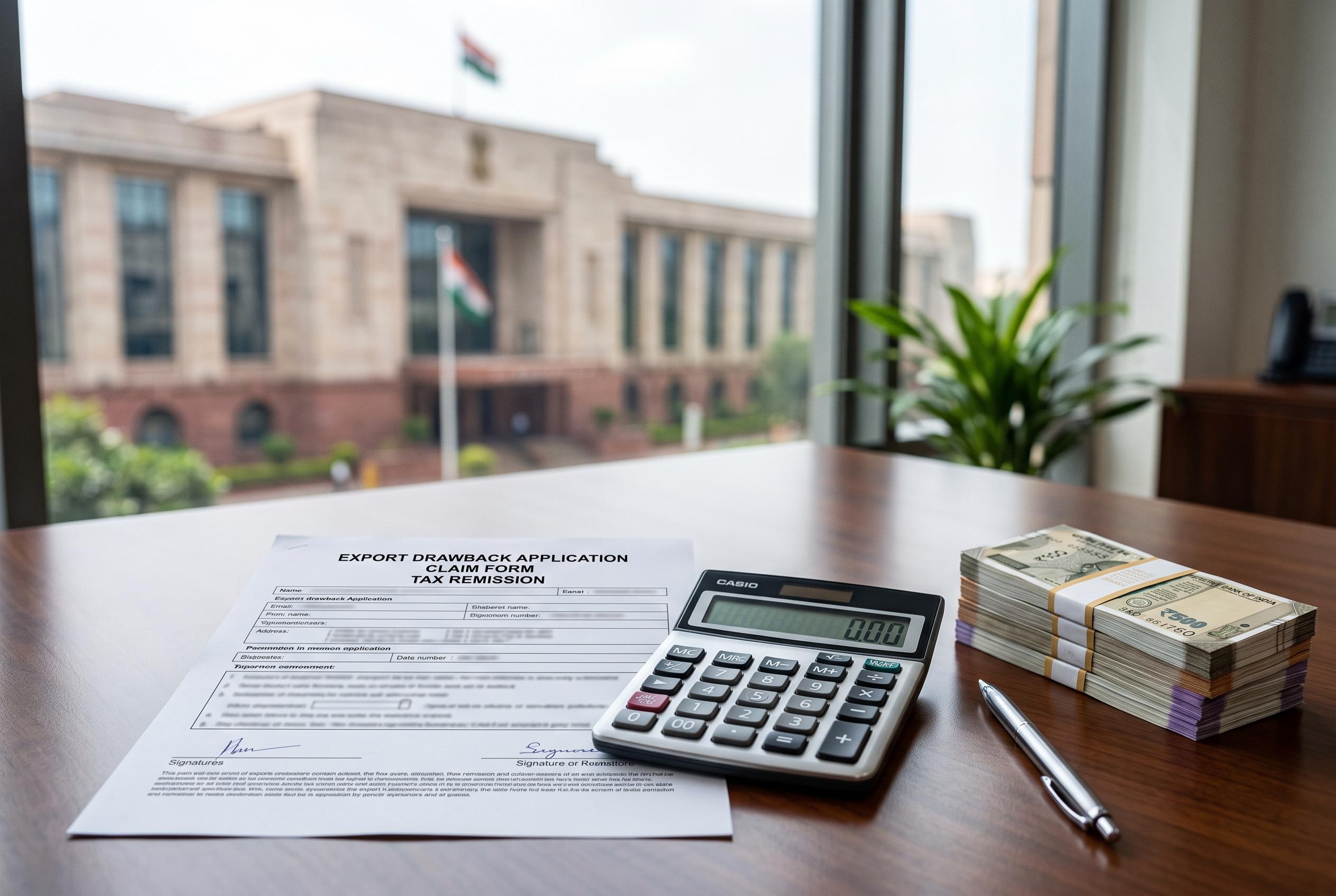

Business Standard argues that export tax rebates such as duty drawback, RoDTEP, RoSCTL and GST refunds are intended to offset domestic tax costs, not penalise exporters for overseas payment failures, urging a distinction between commercial losses and genuine defaults.
India’s export tax remission regime should not be turned into a penalty for a foreign buyer’s default. That is the core argument made in Business Standard’s latest commentary, which says duty drawback, RoDTEP, RoSCTL and GST refunds are meant to wipe out domestic tax costs embedded in exported goods, not to reward the exporter for collecting payment from abroad.
The distinction matters because these schemes operate after the goods have already left India. Duty drawback refunds customs duties on inputs used in production, while RoDTEP is designed to reimburse unrebated central, state and local levies that remain embedded in exported products, according to industry explanations of the scheme. RoSCTL serves a similar remission purpose for state and central taxes in certain textile exports, and GST zero-rates exports so domestic consumption taxes do not travel with the goods, as policy overviews of the schemes explain.
Business Standard argues that once the export has happened, the economic case for remission is complete. If a foreign customer later fails to pay, that is a commercial loss, not a change in the tax character or destination of the goods. Forcing the exporter to surrender rebates in those cases, the column says, adds a fiscal burden on top of the business loss already suffered.
The piece draws a line between genuine trade failures and abuse. Fraudulent exports, inflated invoices, collusion, diversion of proceeds and a failure to pursue export dues can justify recovery and penalties, it says. But the article argues that such cases should be treated separately from bona fide defaults by overseas buyers, so exporters are not punished for risks they did not create.
The broader policy point is straightforward: tax relief on exports should follow the movement of goods, while foreign-exchange rules should follow the exporter’s conduct in trying to collect payment. As Business Standard puts it, India’s aim should remain to export goods, not taxes.
Disclaimer: This article is intended to inform and educate, not to recommend or endorse any financial product, investment or strategy. Please consider your own financial circumstances and seek professional advice where appropriate before making financial decisions.