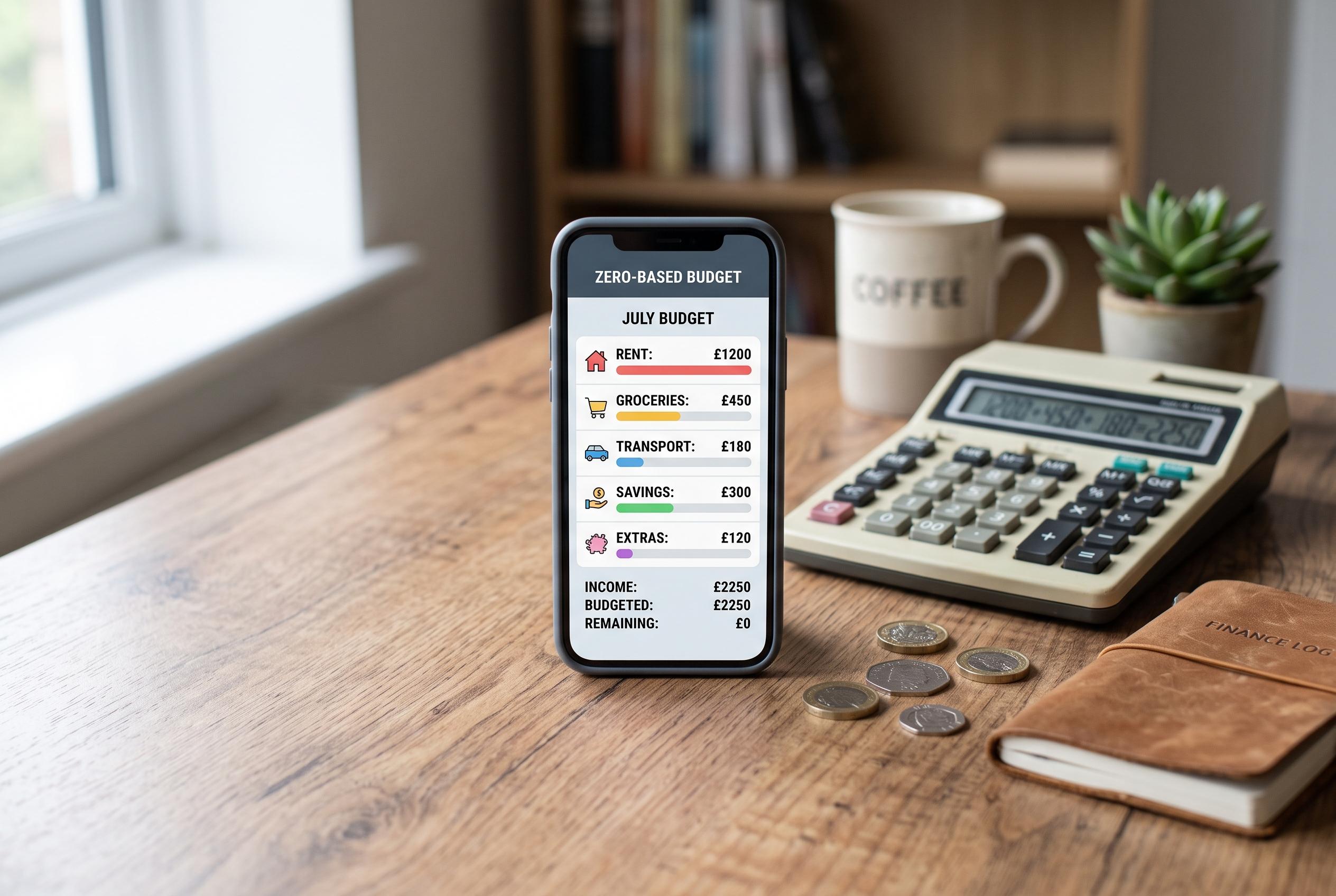

A growing number of people are turning to zero-based budgeting to gain greater control over spending, with digital tools making implementation easier despite its demanding nature.
Zero-based budgeting is a method in which every pound of income is given a purpose before the month begins, whether that means spending, saving, debt repayment or building a buffer for future bills. Money Bliss describes it as a way to divide income into categories so nothing is left unassigned, while NerdWallet, Regions Bank, Chase and Capital One all characterise it as a system built around making income less planned outgoings equal zero. In practice, that does not mean spending everything; it means directing every pound deliberately.
The appeal of the approach is clarity. Regions Bank says the method can make it easier to spot spending patterns and redirect money where it is needed most, while Chase notes that it can improve efficiency because each expense is considered in advance rather than left to chance. NerdWallet and Indeed both point out that the discipline of tracking income and outgoings can also sharpen financial awareness, which is often the first step towards reducing waste and taking control of debt.
Setting up the system usually starts with a full list of income, followed by all regular bills, discretionary spending and savings goals. Money Bliss recommends itemising expenses in detail and checking the plan against actual spending every month or pay period. Several other finance guides say the same basic thing in different terms: categorise carefully, review often and adjust when circumstances change. The method can be especially useful for people with irregular income, because it forces each pay cheque to be assigned a job rather than assumed to cover everything automatically.
The same structure that makes zero-based budgeting powerful can also make it demanding. Chase and Capital One both note that the method takes time to set up and requires regular maintenance. NerdWallet adds that it may feel strict at first, particularly for people used to a more flexible approach. Money Bliss tries to soften that challenge by recommending a cushion for unexpected costs, as well as sinking funds for planned but irregular expenses such as holidays, birthdays and annual bills.
Digital tools can make the process easier. Money Bliss highlights budgeting apps and templates, including YNAB, Simplifi, Tiller Money and Qube, as ways to manage categories and track spending more closely. Outside that article, finance writers commonly frame these tools as helpers rather than fixes: they can simplify the system, but they still depend on consistent use. For households trying to pay down debt or spend with greater intention, the method offers a clear framework, but it works best when the budget is treated as a living plan rather than a one-time exercise.
Disclaimer: This article is intended to inform and educate, not to recommend or endorse any financial product, investment or strategy. Please consider your own financial circumstances and seek professional advice where appropriate before making financial decisions.