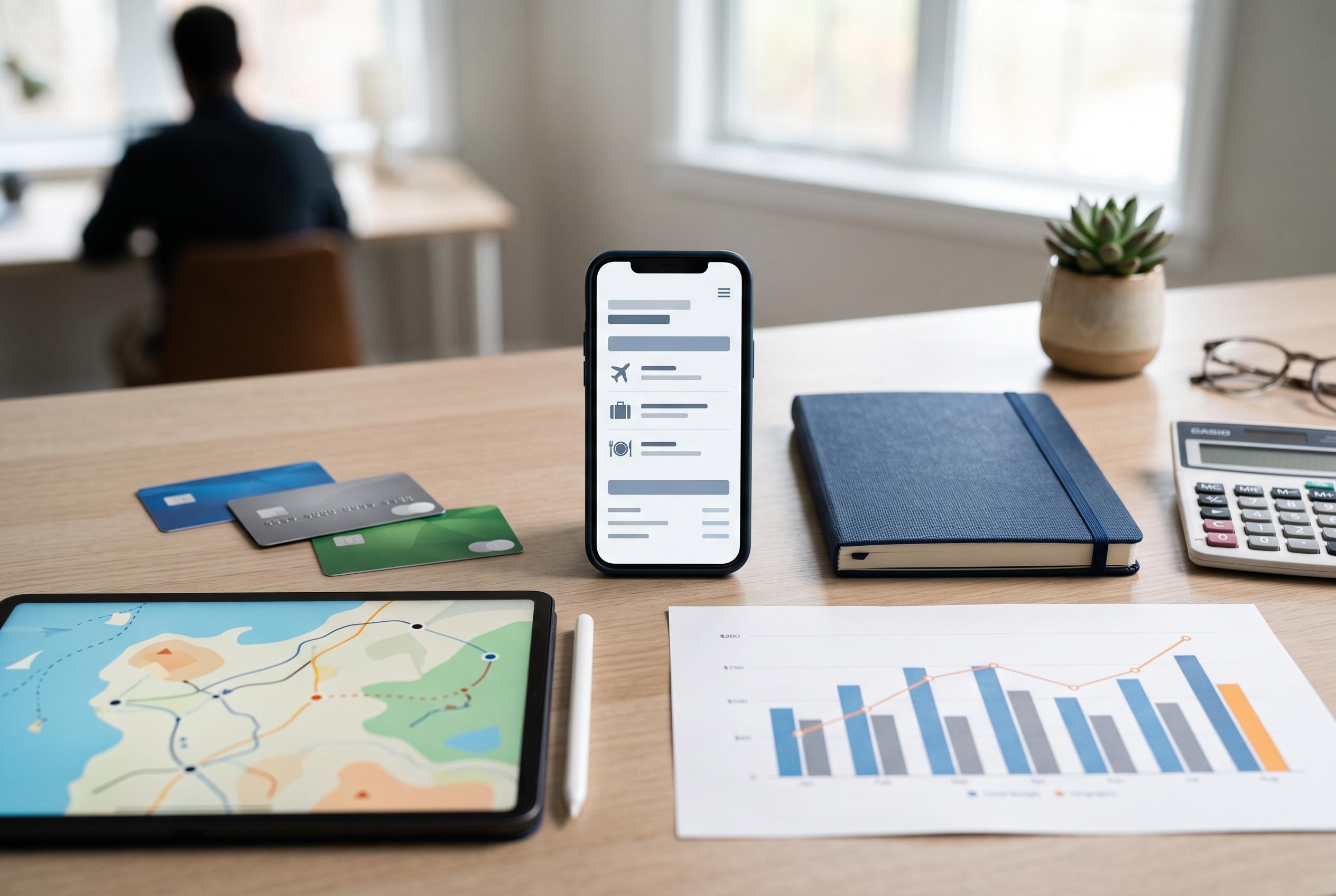

Establishing a specific, realistic travel budget early in the planning process can ease expenses, improve decision-making, and enhance your travel experience by preventing unexpected costs.
Planning a travel budget before booking anything can make the difference between a relaxed trip and one dogged by money worries. The basic idea is simple: set a total spending limit, then divide it across flights or other transport, accommodation, local transport, food, activities and a reserve for surprises. Travel planning guides from Hakaru, Hello Travel, Capital One and Vogo all stress the same point: a budget works best when it is specific, realistic and built early enough to shape the trip rather than merely record it.
The first step is to decide how much money the trip can comfortably take. Once that ceiling is fixed, the rest of the planning becomes more disciplined, because each major expense has to fit inside it. That approach is also useful for choosing between destinations, trip lengths and styles of travel, since a short city break and a long-haul holiday can have very different cost structures.
Transport is usually one of the largest items. Travel budgeting advice from Capital One recommends booking early where possible, staying flexible with dates and comparing alternative airports or travel times to reduce fares. It also notes that hidden charges such as baggage fees and foreign transaction costs can quietly inflate the bill if they are not included from the start.
Accommodation should be estimated on a per-night basis and then multiplied by the number of nights, with taxes and service charges added where necessary. Industry guides from Hakaru and Vogo suggest comparing hotels, rentals and guesthouses rather than defaulting to the most expensive option, since the best value often comes from balancing price, location and convenience rather than chasing luxury.
Daily spending on food and local transport is another area where travellers often underestimate the total. Hello Travel and Freenance both recommend setting a daily limit for variable costs, then using that figure to guide day-to-day decisions. Choosing local restaurants, buying food from markets and staying somewhere with cooking facilities can all keep costs under control, while public transport passes may be cheaper than paying for individual journeys.
Activities need the same treatment. Before the trip begins, it helps to list the paid attractions, tours and excursions that matter most, then separate those from free or low-cost options. That gives the journey structure without letting entertainment costs grow unchecked. Several budgeting guides also encourage travellers to track spending while away, so they can adjust plans in real time if one category starts to run ahead of schedule.
A reserve for emergencies is essential. The Saudi article recommends setting aside around 15% to 20% of the total budget, while other guides advise a 10% to 15% buffer for unexpected costs. That money can cover last-minute itinerary changes, medical needs or sudden price rises, and it should be protected rather than absorbed into ordinary spending.
Once the numbers are assembled, the final check is straightforward: compare the projected total with the amount originally set aside. If the trip is too expensive, the easiest fixes are usually to change the travel dates, choose a cheaper base, trim the number of paid activities or rely more heavily on public transport. Done well, budgeting does not restrict a trip; it makes the experience easier to enjoy because the financial picture is clear before departure.
Disclaimer: This article is intended to inform and educate, not to recommend or endorse any financial product, investment or strategy. Please consider your own financial circumstances and seek professional advice where appropriate before making financial decisions.