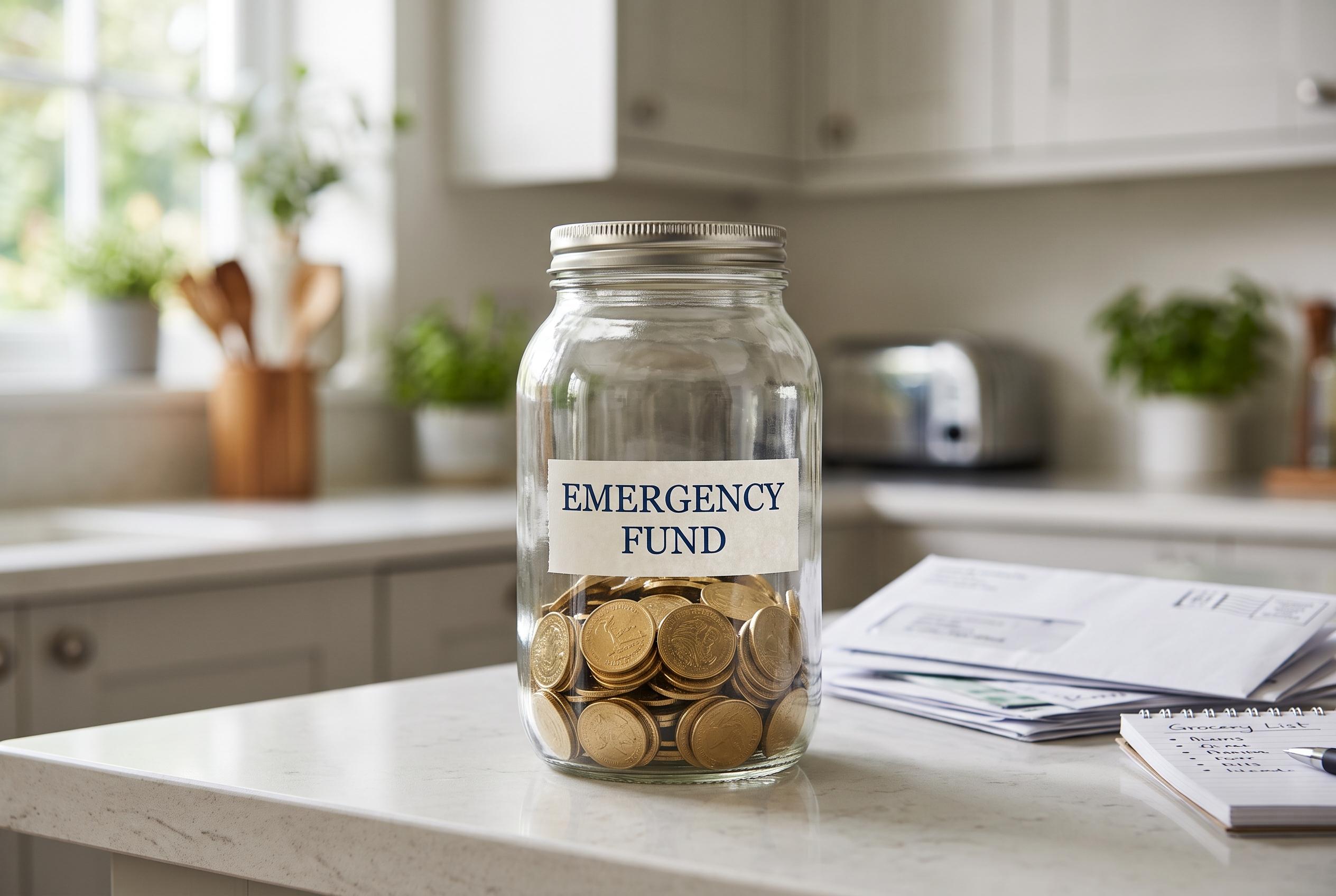

Experts emphasise the importance of maintaining a clear boundary between true emergencies and ordinary household expenses, urging consumers to protect their financial safety net for unforeseen shocks rather than predictable costs or everyday spending.
MoneyLion’s advice is simple: a genuine emergency fund is not a spare wallet for every unpleasant surprise. It exists to protect against shocks that threaten financial stability, not to smooth over routine costs that are inconvenient, seasonal or merely larger than expected.
That distinction matters because many expenses feel urgent in the moment even when they are perfectly predictable. Ramsey Solutions, as cited in the source material, says emergency savings should be reserved for severe events such as job loss, a major medical bill or an essential home repair. SuperMoney makes a similar point, arguing that unplanned costs are not necessarily emergencies and that households should keep a small buffer for sudden bills rather than leaning on long-term savings for every shortfall.
One of the most common mistakes is treating higher everyday bills as an emergency. Groceries, utilities, insurance and transport can all become more expensive without becoming unexpected. If they keep blowing up the monthly budget, the answer is usually better planning, trimming recurring costs or rebuilding the budget around new prices, not raiding the emergency fund.
The same logic applies to food shopping. A larger-than-expected supermarket bill can feel like a crisis, especially as prices have risen, but it still belongs in the category of ordinary household spending. MoneyLion suggests using tactics such as buying staples in bulk, choosing store brands and planning meals around discounts. Those habits may seem modest, but they keep savings available for situations that are genuinely urgent.
Spending that is optional should be even easier to separate from emergency money. Concerts, trips, shopping sprees and other treats can all be part of a healthy budget, but they are not financial emergencies. Kiplinger has made a related point, noting that occasional indulgences do not have to derail longer-term goals if they are planned for properly. In practice, that means setting aside a small entertainment allowance instead of treating savings as a backup for impulse purchases.
The same principle works for car care and calendar events. Routine servicing, including oil changes, tyre rotations and inspections, is predictable maintenance, not an emergency. Holidays and birthdays arrive on the same dates every year, so they should be funded in advance. As MoneyLion notes, a separate car-maintenance pot and a small celebration fund can prevent these bills from colliding with emergency savings later.
Routine healthcare deserves the same treatment. Annual check-ups, vaccinations and preventive screenings should be built into a normal medical budget whenever possible. By contrast, an unexpected hospital visit or other serious medical crisis may justify using emergency savings, because the cost is urgent, unavoidable and potentially destabilising. BestMoney and AP News both say emergency funds should be kept for essential, unavoidable problems and ideally held in a separate account, with a starter target of about $1,000 before building towards larger reserves.
The larger lesson is that financial security depends as much on discipline as on the size of the fund. A reserve that is used for every foreseeable expense stops being a safety net and becomes just another spending account. The point is not to avoid ever touching it, but to keep it intact for the moments when life truly goes off script.
Disclaimer: This article is intended to inform and educate, not to recommend or endorse any financial product, investment or strategy. Please consider your own financial circumstances and seek professional advice where appropriate before making financial decisions.