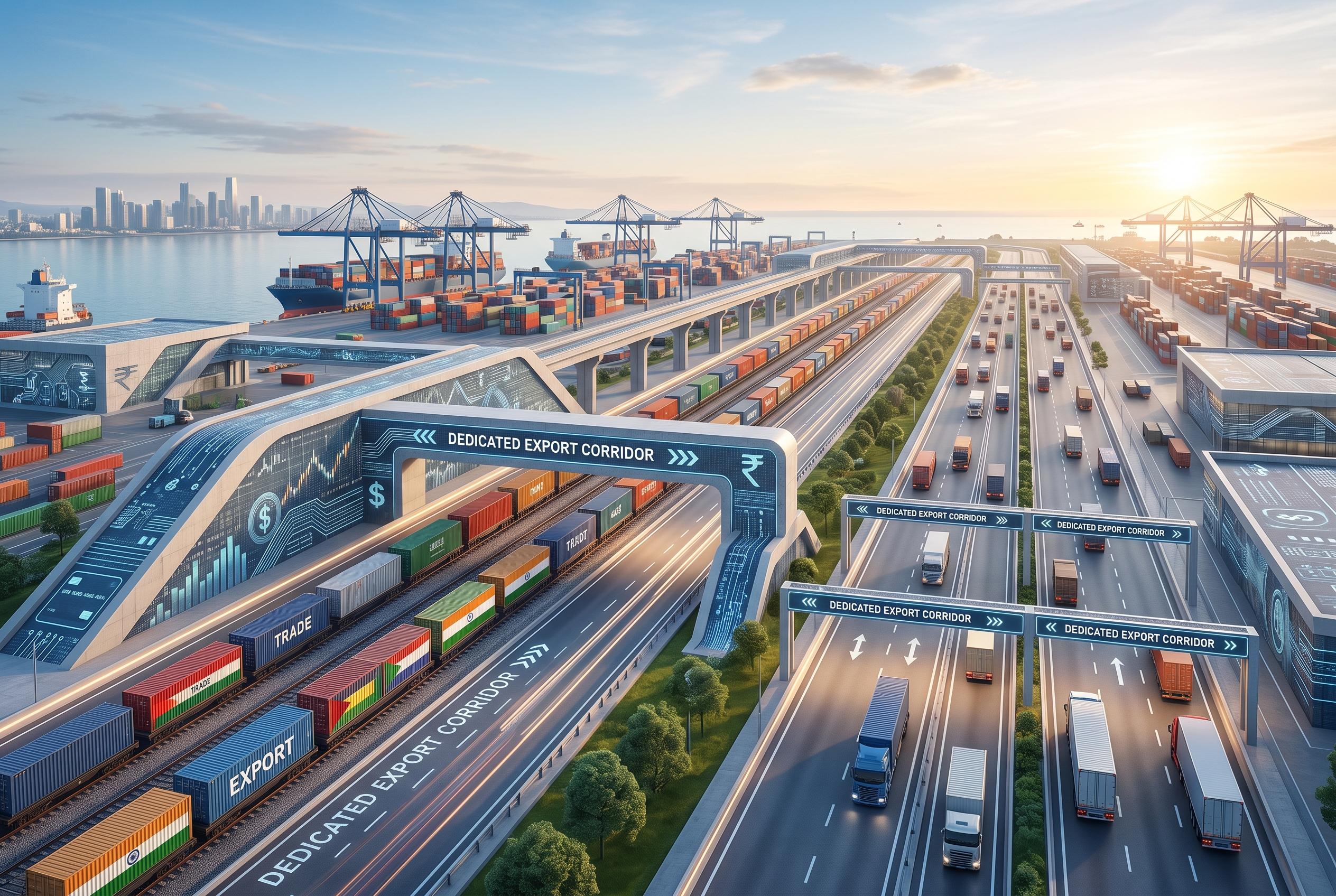

India is set to enhance its trade with the United States by developing dedicated export corridors and financial support measures, aiming to reduce delays and strengthen its strategic economic partnership.
India’s trade with the United States may soon be shaped as much by logistics policy as by tariffs. A parliamentary committee has urged the government to create faster export corridors and automated customs zones for high-volume cargo bound for the US, a move that would give selected shipments priority handling through ports and clearance systems.
The recommendation appears in the Standing Committee on Commerce’s 200th report on India-US trade relations, tabled in Parliament on August 7. According to the report, the Commerce Ministry should work with the Ministry of Ports, Shipping and Waterways to speed up movement for export cargo and build a more responsive system for managing trade frictions. The aim is not just to expand capacity, but to design infrastructure around a strategically important market.
For exporters, freight forwarders and logistics providers, the practical appeal is clear. Dedicated lanes could mean shorter turnaround times, fewer documentation delays and more predictable schedules for time-sensitive shipments. The report also calls for a quicker institutional channel with US trade authorities to flag compliance problems and settle disputes before they turn into tariff action, giving companies more time to adjust bookings, inventory and routing plans.
The stakes are high because the India-US commercial relationship has become increasingly important. The India Brand Equity Foundation says the US is India’s largest export destination and fourth-largest import partner, with bilateral trade reaching a record $94.39 billion in fiscal 2026. It also says India ran a trade surplus of $23.59 billion, while the US remained a major source of investment into India. KPMG has separately argued that the US-India economic corridor is becoming a central pillar of global trade and that more predictable pathways between the two countries are increasingly important.
The committee’s report also highlights the pressure points facing smaller exporters, especially in labour-intensive sectors such as gems and jewellery, seafood and textiles. These industries are highly exposed to freight costs, customs delays and working-capital strain. To cushion that risk, the committee has proposed a state-backed export invoice discounting facility, along with easier access to concessional working capital, export credit and credit guarantees. If implemented, the package would amount to a more segmented export system in which US-bound cargo receives special handling and financial support follows the trade lanes most exposed to disruption.
Disclaimer: This article is intended to inform and educate, not to recommend or endorse any financial product, investment or strategy. Please consider your own financial circumstances and seek professional advice where appropriate before making financial decisions.