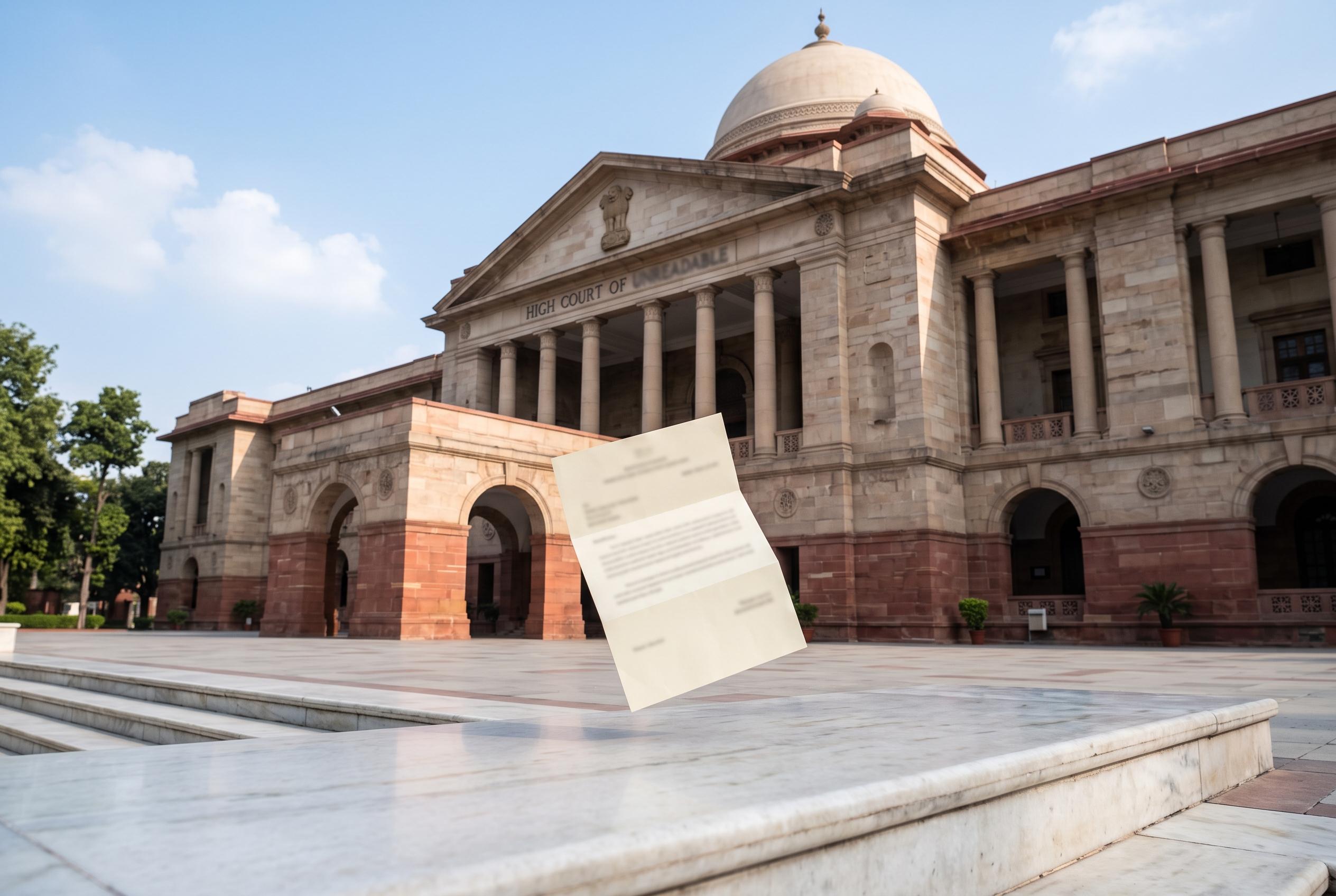

The Calcutta High Court intervened in a tax dispute involving Ajitnath Suppliers Pvt Ltd, emphasizing that procedural payments cannot block access to justice, and criticising the tribunal’s punitive approach for enforcing costs.
The Calcutta High Court has said tax procedure should not become an obstacle to justice, intervening in a dispute in which a company faced an automatic tax setback after failing to pay costs imposed by the Income Tax Appellate Tribunal. The bench ruled that a litigant cannot be shut out of a hearing simply because it could not meet a procedural payment, particularly where the tribunal itself had already found that the company was denied a proper opportunity to be heard.
The case concerned Ajitnath Suppliers Private Limited, which challenged an addition of Rs 1.23 crore to its taxable income for assessment year 2018-19. According to the court record, the company had filed its return on October 31, 2018, and the National Faceless Assessment Centre later reopened the matter over an unsecured loan from Excellent Infrabuild Private Limited. The assessing officer added the sum under Section 68 of the Income Tax Act, which deals with unexplained cash credits, and raised a total demand of Rs 1.81 crore.
Ajitnath Suppliers first took the matter to the Commissioner of Income Tax (Appeals), but that appeal was dismissed ex parte in December 2024. The high court said the appellate order failed to satisfy Section 250(6), which requires a reasoned order setting out the issues, findings and reasons. The company then approached the ITAT, which agreed that the earlier dismissal had breached natural justice and sent the case back for a fresh hearing. But the tribunal made that relief conditional on payment of Rs 1 lakh to Legal Aid Services, Calcutta High Court, within 60 days, warning that non-payment would automatically confirm the tax addition.
The high court found that approach legally unsound. It said the ITAT had turned a corrective order into a punitive one and that costs could not be used as a condition for the survival of an appeal. The bench reduced the payment to Rs 25,000, struck out the automatic confirmation clause and restored the matter to the CIT(A) without conditions. Ajitnath Suppliers must now appear for a fresh hearing, file its records, bank statements and other supporting material and wait for a reasoned order within 12 weeks. Until then, the court said no coercive recovery steps should be taken over the disputed demand.
Disclaimer: This article is intended to inform and educate, not to recommend or endorse any financial product, investment or strategy. Please consider your own financial circumstances and seek professional advice where appropriate before making financial decisions.