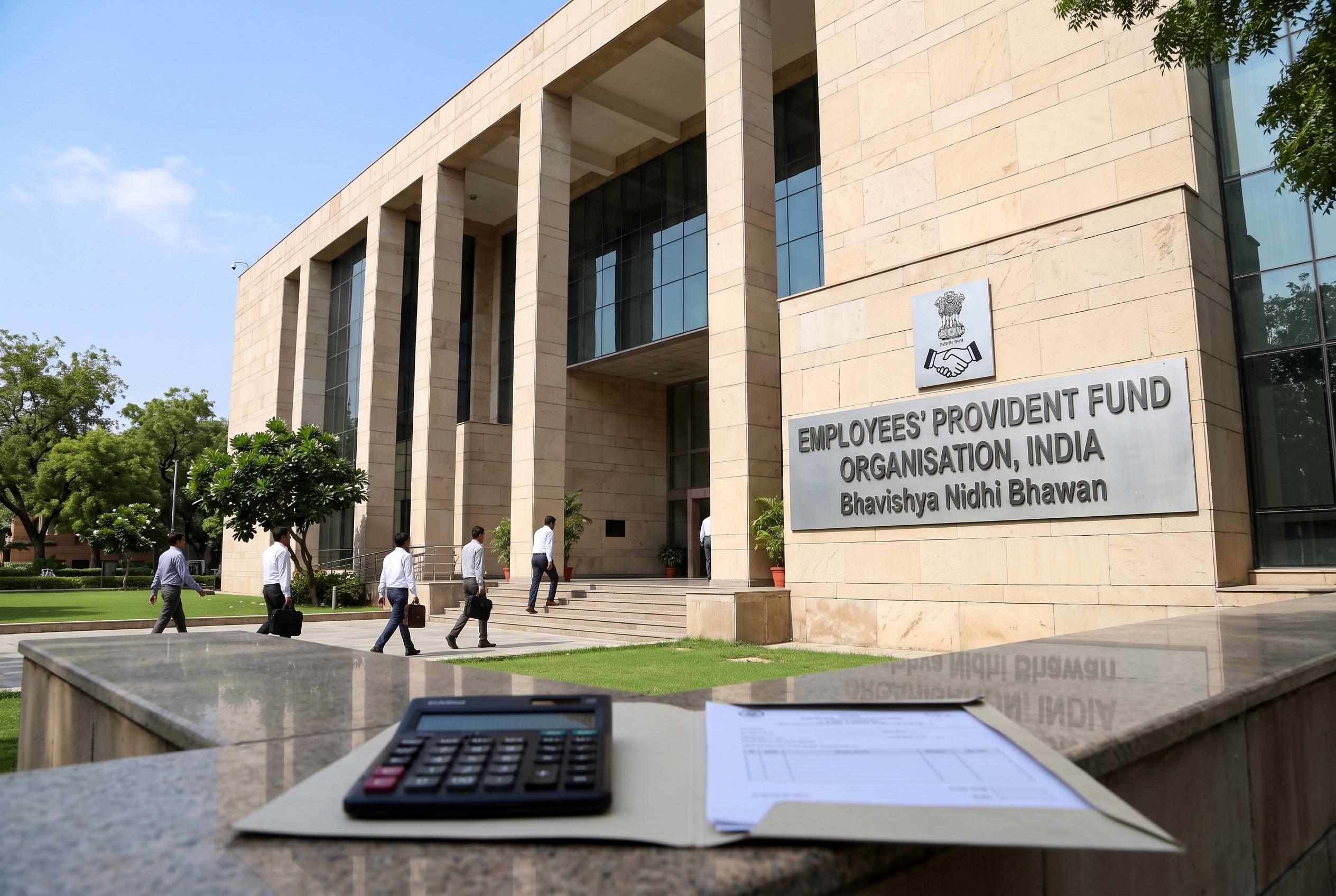

India’s retirement fund regulator has introduced a new scheme replacing the 1952 framework, consolidating withdrawal provisions and enforcing safeguards to promote longer-term savings, effective from 29 June 2026.
India’s retirement fund regulator has overhauled the rules governing the Employees’ Provident Fund, replacing the long-standing 1952 framework with a new scheme from 29 June 2026. The biggest change is practical as well as structural: what used to be a maze of 13 different partial withdrawal provisions has been compressed into three broad heads, a move that the government says is meant to make the system easier to use while still preserving long-term savings. Reuters-style reporting on the updated framework is consistent with coverage from Mint and Business Standard.
Under the new arrangement, both worker and employer continue to contribute 12% of wages to the provident fund. For employees earning more than ₹15,000 a month, additional voluntary contributions are allowed, but the employer is not obliged to match that extra amount. That gives higher-paid workers a choice between taking more pay home now or building a larger retirement corpus for later, according to the summaries from TV9 Hindi and Indian FinEstimator.
The withdrawal rules have also been tightened and simplified. Instead of separate provisions for many different emergencies and life events, the new scheme groups advances into essential needs, housing needs and special circumstances. Mint says medical withdrawals can be made without a cap, education withdrawals are allowed up to 10 times and marriage-related withdrawals up to 5 times, while housing-related withdrawals are limited and tied to service conditions. Business Standard reports that the clearer structure is intended to reduce paperwork and make online claims easier to process.
A key safeguard is the new minimum balance rule. Members must leave at least 25% of their own contributions, plus interest, in the account after a partial withdrawal, which the authorities appear to see as a way of preventing people from draining their retirement savings too early. The rules also set a minimum withdrawal amount of ₹1,000, while special circumstance withdrawals are capped separately, according to Mint and Indian FinEstimator.
The full-settlement rules are equally important. A worker who leaves a job can no longer withdraw the entire provident fund immediately; instead, a continuous 12-month spell of unemployment is now required before applying for final payment. Mint and Right to Information Wiki say there are exceptions for certain cases, including retirement at 55, permanent disability, retrenchment, migration abroad, voluntary retirement and some other specified situations. TV9 Hindi also notes that women who leave work for marriage are exempt from the 12-month waiting period. Together, the changes suggest a policy shift towards fewer, clearer withdrawal routes and a stronger nudge to preserve retirement money until it is genuinely needed.
Disclaimer: This article is intended to inform and educate, not to recommend or endorse any financial product, investment or strategy. Please consider your own financial circumstances and seek professional advice where appropriate before making financial decisions.