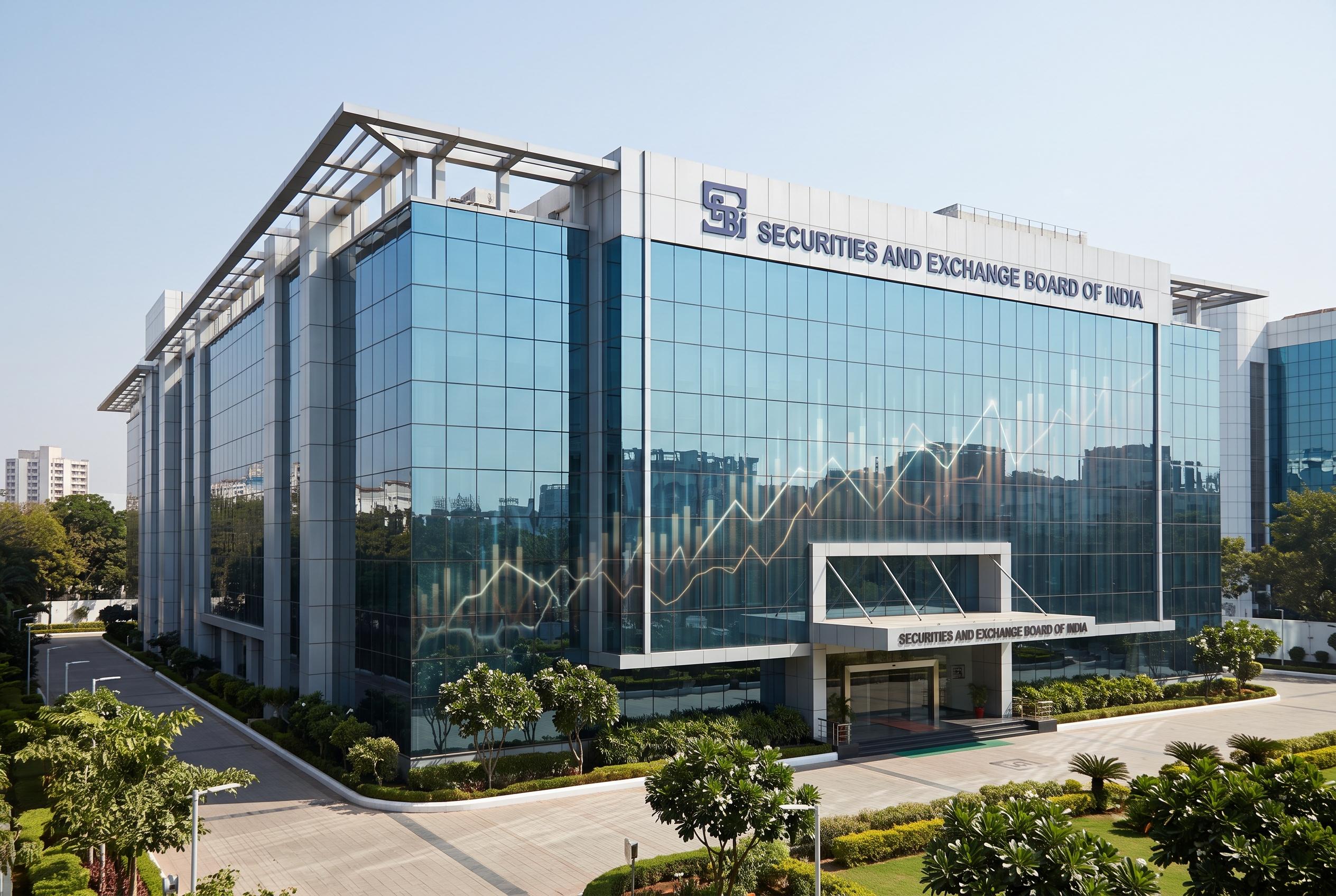

India’s securities regulator has implemented a new, risk-led inspection system for stockbrokers and depository participants, aiming to enhance oversight efficiency and focus on higher-risk firms while reducing redundant checks.
India’s markets regulator has begun a major overhaul of how it checks stockbrokers and depository participants, shifting away from broad routine inspections towards a more selective, risk-led system. The change takes effect immediately and is intended to reduce duplicated scrutiny of well-run firms while directing more attention towards entities that show signs of weakness or misconduct.
Under the new framework, the Securities and Exchange Board of India will work with stock exchanges and depositories to carry out joint inspections, rather than relying on separate visits by each body. The process is expected to cut SEBI’s direct inspection burden sharply, while giving regulators a fuller view of firms that operate across multiple market segments. Brokers that also act as depository participants will now be examined in one coordinated review.
The selection process will be data-driven. Officials said firms will be shortlisted each quarter using risk scores, exchange alerts, investor complaints and, in some cases, social media signals. Those with stronger compliance records may avoid an annual inspection altogether, while higher-risk entities will face closer scrutiny. The checks will also look at technical glitches, cyber incidents, margin reporting, client protection rules and the conduct of authorised persons, who act as intermediaries for registered brokers.
For investors, the practical effect is likely to be limited in day-to-day terms, but the regulator’s intent is clear: reduce the chance that problems at a broker or depository participant spill over into client funds or securities. SEBI has been stepping up broader market oversight in recent years, and the new inspection model fits that pattern by trying to balance tighter supervision with less compliance friction for firms that already meet the rules.
Disclaimer: This article is intended to inform and educate, not to recommend or endorse any financial product, investment or strategy. Please consider your own financial circumstances and seek professional advice where appropriate before making financial decisions.