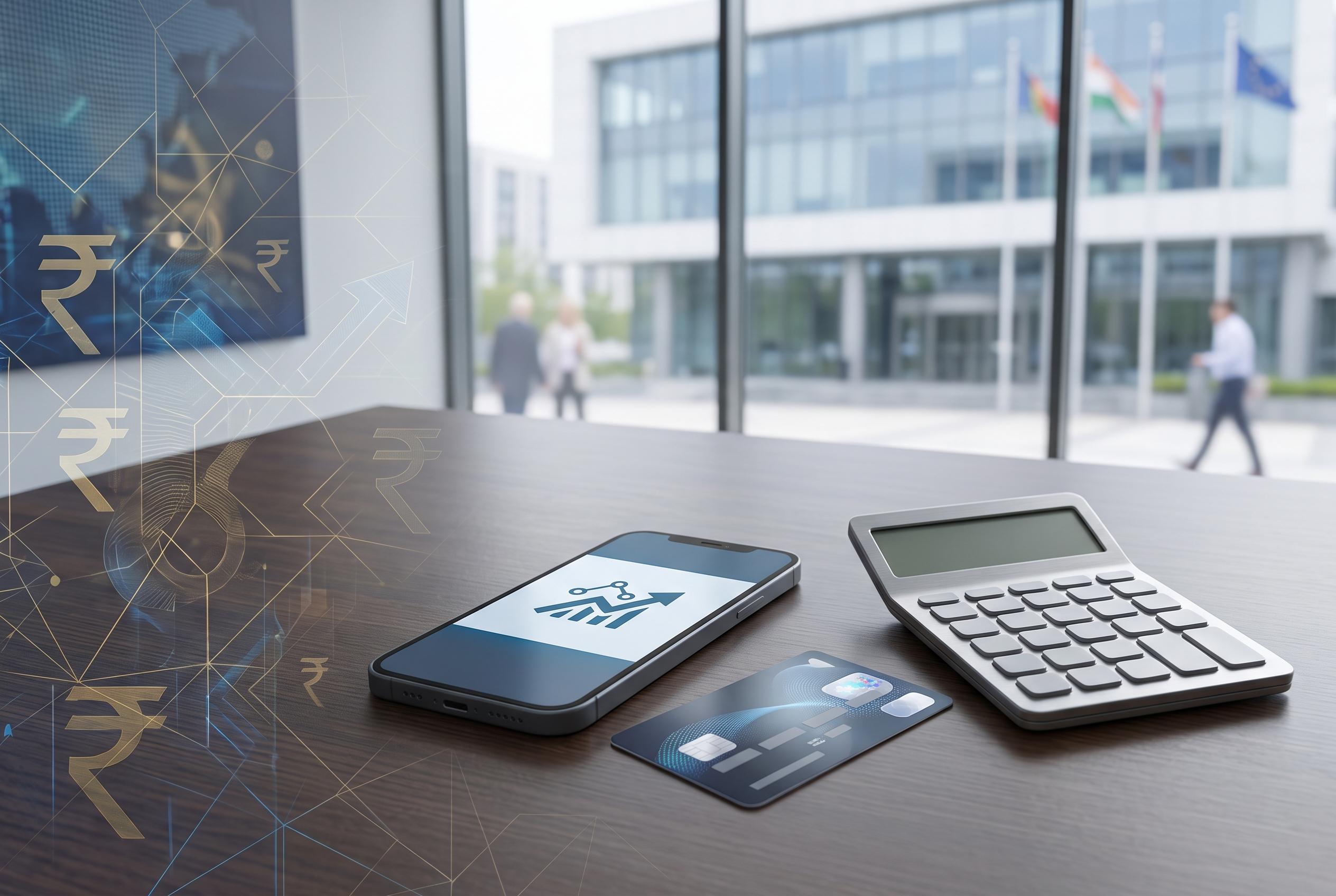

India’s dominant digital payment system, UPI, has transitioned from a contactless experiment to a vital economic infrastructure. While its rapid growth has prompted debates over merchant fees, government support and policy decisions remain crucial to sustain its future development.
India’s Unified Payments Interface has moved from novelty to habit, and now to infrastructure. What began as a cautious experiment has become the default way millions of Indians pay for everything from groceries to online purchases, accelerated sharply during the pandemic when contactless payments became essential. The wider shift has turned UPI into one of the most visible symbols of India’s digital economy and, according to Finance Minister Nirmala Sitharaman, a system that now accounts for about 50% of global real-time digital transactions.
That success, however, has revived a long-running policy debate over the merchant discount rate, or MDR, the fee paid by merchants to banks and payment firms for accepting digital transactions. The government has kept UPI free for consumers since zero MDR was introduced in January 2020, but Sitharaman has now said in Parliament that any charge would apply only to merchants and that no final decision has been taken on whether to bring it back or at what level.
Business Standard has reported that UPI’s scale has continued to rise, with more than 450 million users and about 22 billion monthly transactions, but that the pace of growth is slowing as incentives for payment firms remain limited. In the same vein, Moneycontrol reported that the 2026 Union Budget set aside ₹2,000 crore for incentives tied to UPI and RuPay debit cards, underscoring the government’s own view that the system still needs support even as it remains free for users.
The case for reviving some form of MDR rests on the cost of keeping the system running. Banks and fintech firms must pay for servers, cybersecurity and transaction processing across billions of payments, and a fee on large merchant transactions could provide a fresh revenue stream. Jefferies has estimated that a levy of 0.15% to 0.30% on merchant payments above ₹2,000 could materially improve the finances of payment aggregators such as Paytm, PhonePe and Google Pay. But the proposal is also politically sensitive. The Global Trade Research Initiative has warned that India should not reshape its payment rules under outside pressure, pointing to criticism in the US Trade Representative’s 2026 National Trade Estimate report of UPI and RuPay as well as Brazil’s Pix system.
Disclaimer: This article is intended to inform and educate, not to recommend or endorse any financial product, investment or strategy. Please consider your own financial circumstances and seek professional advice where appropriate before making financial decisions.