
Emerging research reveals that impulse purchasing is driven by emotion and retail design, with practical strategies to help consumers make more deliberate choices and reduce environmental impact.
Impulse buying is rarely just about a weak moment in a shop. Research and consumer guidance increasingly show that unplanned spending is tied to emotion, habit and the way modern retail is designed to nudge people into acting quickly. It may begin with boredom, stress or the thrill of a bargain, but it often ends with regret and a smaller bank balance. According to Simply Psychology and U.S. Bank, the behaviour is closely linked to emotional regulation and social pressure, with the promise of instant reward often overriding longer-term judgement.
The cost is not only financial. The Simply Plastic Free guide argues that every unnecessary purchase carries an environmental burden, from the materials and energy used to make it to the waste it can create later. That wider view matters because impulse buying is often encouraged by marketing that creates urgency, plays on fear of missing out or makes a product feel emotionally necessary. A meta-analytic review in the Journal of the Academy of Marketing Science found that impulse buying is shaped by both internal and external factors, reinforcing the idea that the problem is not simply personal discipline but also the retail environment itself.
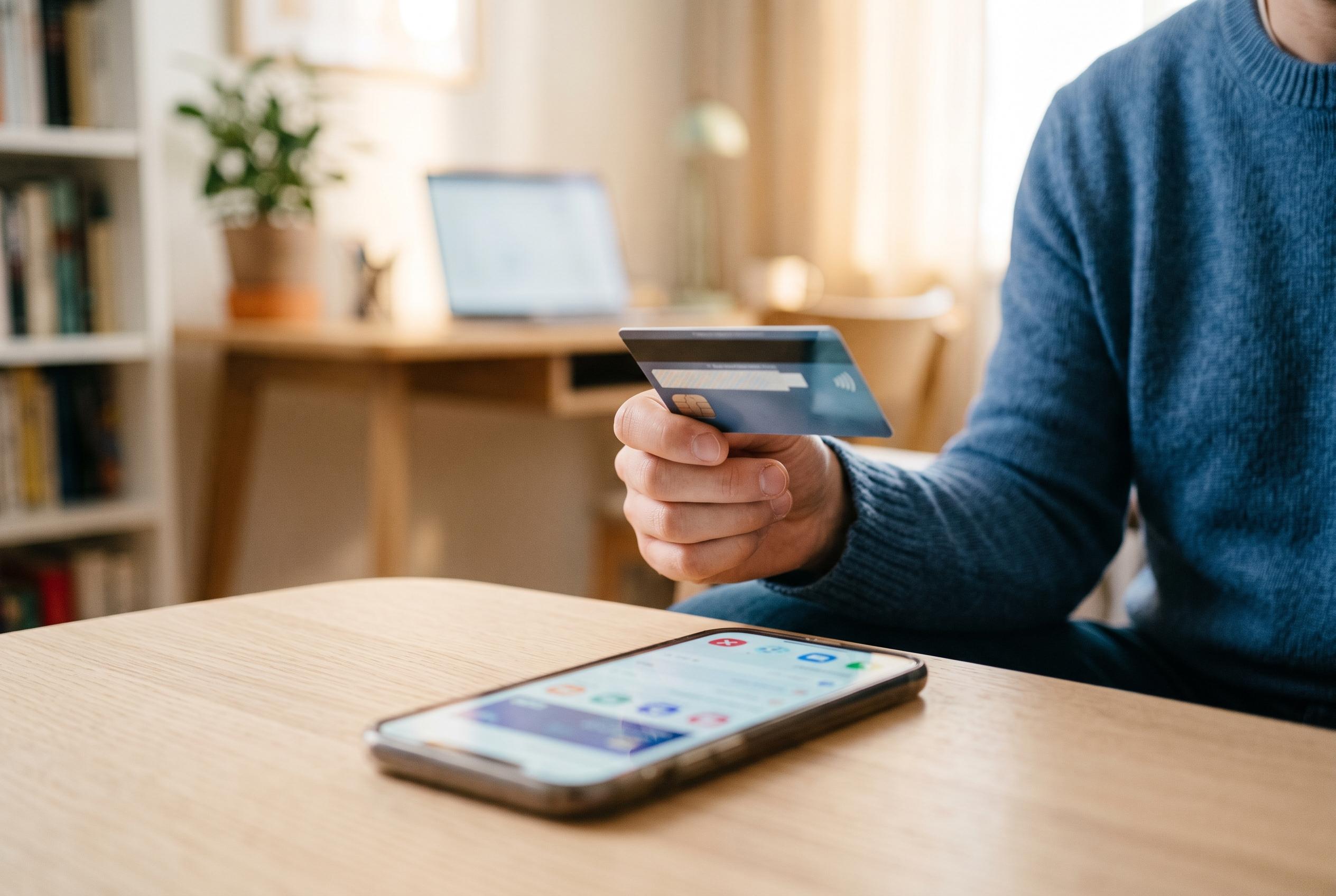
Online shopping has made those pressures easier to exploit. Simply Psychology notes that one-click checkout, saved card details and low-friction payment methods reduce what behavioural scientists call the “pain of paying”, making purchases feel less real in the moment. The same source says that adding friction back into the process, such as requiring more steps to complete a purchase, can help slow the urge to spend. That idea is echoed across consumer advice: the more time between wanting something and paying for it, the more likely it is that the initial rush will fade.
The practical fixes begin with structure. Simply Plastic Free recommends setting a budget, writing a shopping list and using a waiting period before buying. U.S. Bank similarly advises shoppers to keep long-term financial goals visible, since clear targets make it easier to resist short-term temptations. The 24-hour or 48-hour rule is especially effective because it turns an emotional decision into a delayed one, giving people time to decide whether an item is genuinely needed or merely appealing in the moment.
Changing shopping habits can also reduce exposure to triggers. That includes unsubscribing from promotional emails, limiting time on shopping apps and avoiding advertising-heavy browsing when feeling tired, stressed or elated. Chase says recognising personal triggers is central to controlling impulse spending, because different people are prompted by different cues, from visual displays to emotional highs and lows. Behavioural research published in the journal review also suggests that impulse purchases are often strongest when cognition is under strain, such as during decision fatigue.
For online shoppers, the advice is even more direct: remove saved card details, switch off one-click purchasing and leave items in the cart overnight or longer. Simply Plastic Free also urges buyers to consider sustainability before they click “buy”, asking where a product was made, what it is made from and whether it will be used often enough to justify its footprint. In that sense, impulse buying is not just a budgeting issue but a values issue, because the most responsible purchase is often the one not made at all.
For people who feel stuck in a cycle of overspending, outside help can make a real difference. Financial counselling can help build a workable budget and tackle debt, while behavioural therapy can address the habits and emotions behind compulsive spending. Taken together, the advice from consumer finance groups and behavioural researchers points to the same conclusion: impulse buying is best managed not by willpower alone but by making spending slower, more deliberate and more closely tied to long-term priorities.
Disclaimer: This article is intended to inform and educate, not to recommend or endorse any financial product, investment or strategy. Please consider your own financial circumstances and seek professional advice where appropriate before making financial decisions.