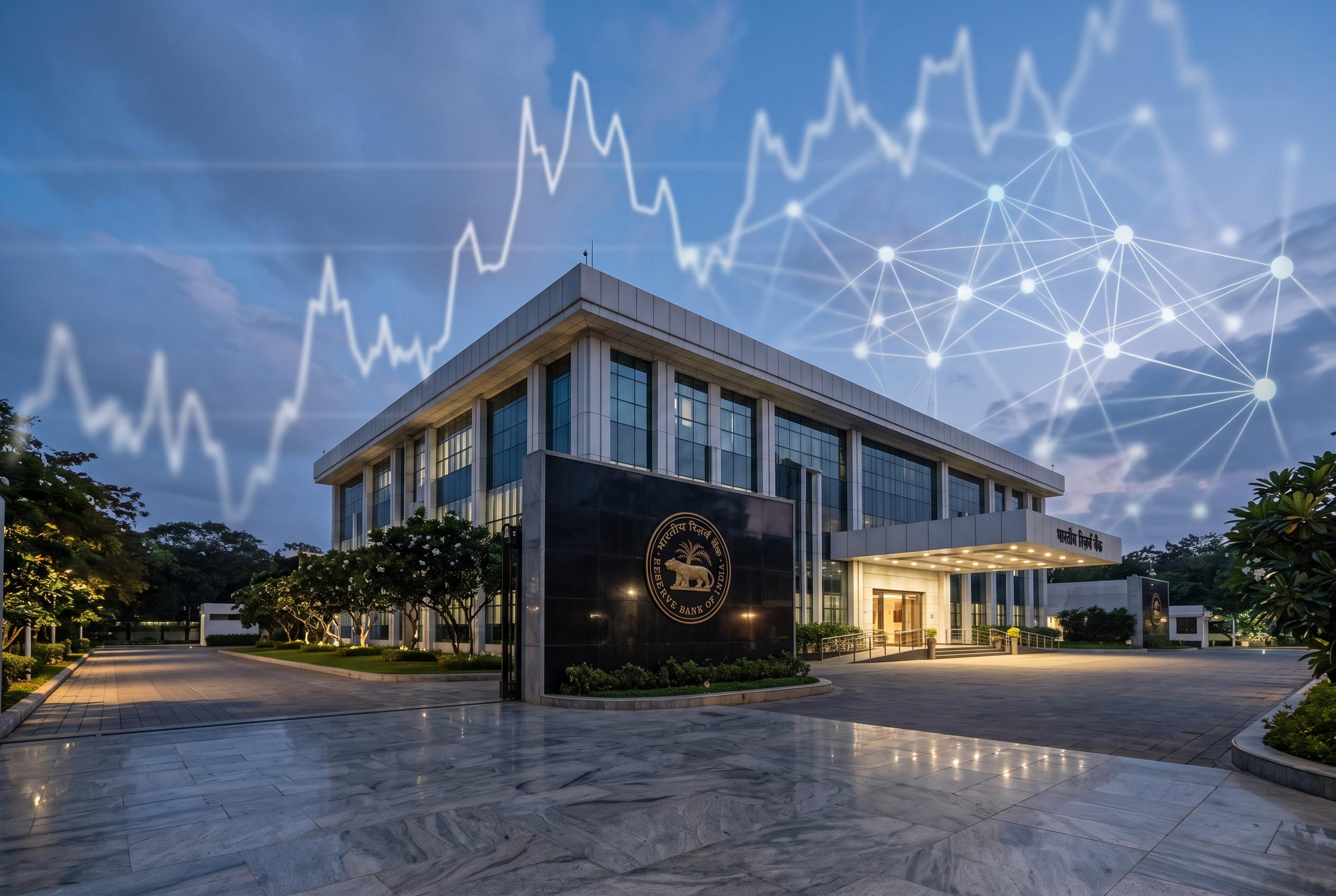

The Reserve Bank of India’s latest decision renews debate over Tata Sons’ potential public listing, with the company’s future hanging in the balance as regulators scrutinise its deregistration request amid rising profits and complex ownership interests.
The Reserve Bank of India’s latest move has once again put Tata Sons at the centre of a long-running governance question: whether the Tata group’s principal holding company should stay private or eventually come to market. The central bank has retained Tata Sons in its upper-layer non-banking finance company list, a designation that ordinarily brings a mandatory stock market listing, but it has also made clear that the company’s request to be deregistered as a core investment company is still being examined.
That caveat matters because it keeps both outcomes alive. Under the RBI’s scale-based framework, upper-layer NBFCs face tighter capital, governance and disclosure rules, along with the expectation that they list on an exchange. Yet Tata Sons has argued that it no longer fits that category after repaying more than ₹20,000 crore of standalone debt. The company’s position is that it does not directly tap public funds in the way regulators once assumed, although the RBI has continued to treat it as indirectly connected to public money because several listed Tata companies hold equity in it.
The timing has sharpened the debate. Tata Sons is due to hold the annual general meeting on August 18, with N Chandrasekaran expected to seek reappointment as chairman. At the same time, the company has reported sharply higher profits, even as some of its biggest unlisted businesses have posted heavy losses. Tata Sons said its profit after tax rose 21.8% in FY26 to ₹31,961 crore, but Air India’s losses more than doubled to ₹22,238 crore and Tata Digital recorded a loss of ₹4,974 crore. That contrast has strengthened arguments both for and against a listing.
Within Tata Trusts, the 66% shareholder in Tata Sons, the issue has become increasingly divisive. Noel Tata is understood to prefer keeping the company unlisted, while trustees Venu Srinivasan and Vijay Singh have argued in favour of a public listing. Supporters say Tata Sons is now far larger and more complex than when it chose to remain private, with interests spanning aviation, semiconductors, electronics, batteries and defence manufacturing. They also argue that a listing would improve transparency, sharpen oversight and offer a clearer exit route for the Pallonji Group, which holds 18.3% of Tata Sons.
Opponents say the company’s private structure has protected its culture, ownership model and long-term orientation for decades. But the final decision now appears to rest less on internal disagreement than on the RBI’s ruling on deregistration. If the central bank accepts Tata Sons’ request, the company could avoid the listing trigger. If it rejects the application, an initial public offering would become difficult to avoid, bringing not only exchange obligations but also the fuller disclosure regime of the Securities and Exchange Board of India. Until then, Tata Sons remains suspended between two very different futures.
Disclaimer: This article is intended to inform and educate, not to recommend or endorse any financial product, investment or strategy. Please consider your own financial circumstances and seek professional advice where appropriate before making financial decisions.