

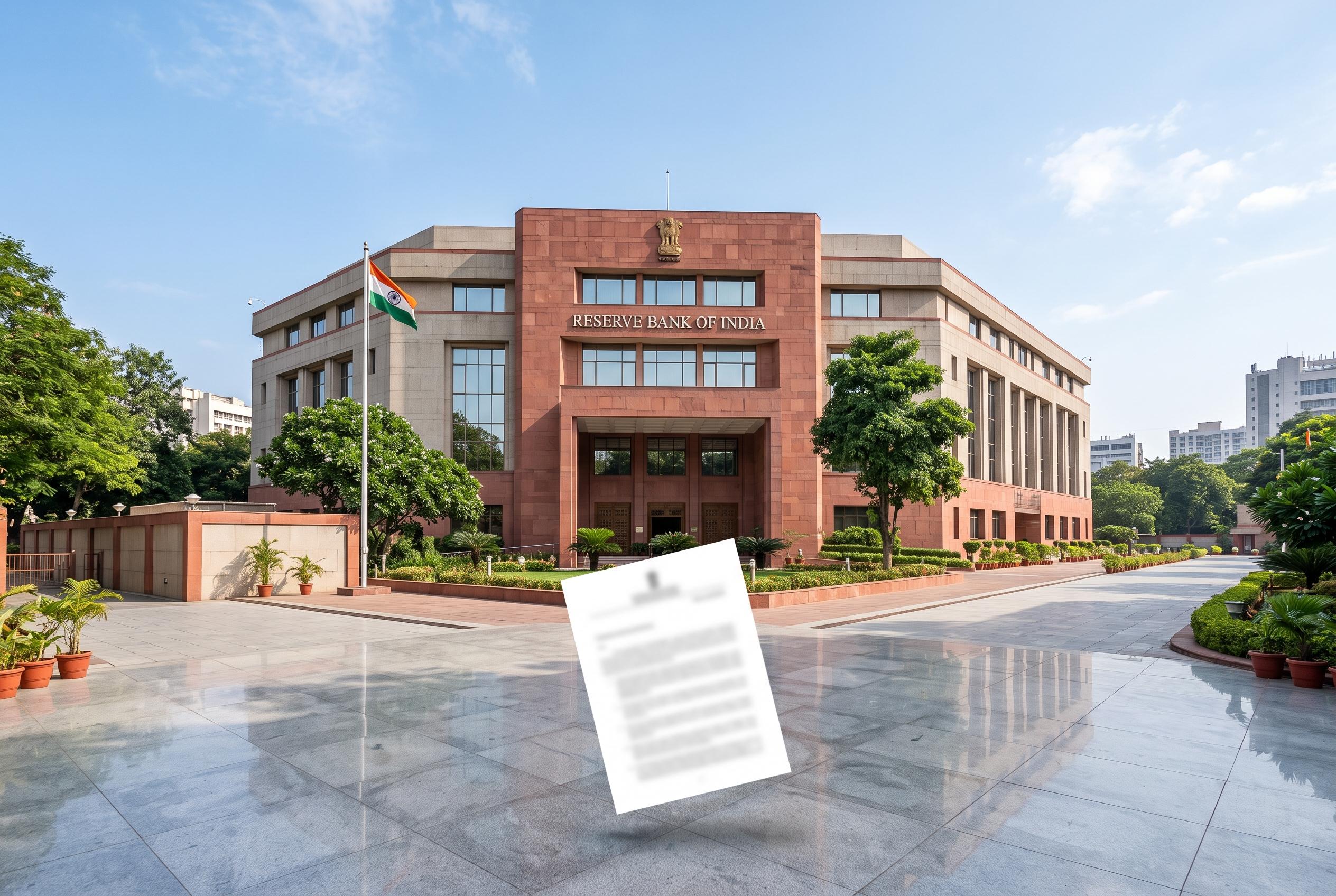

The Reserve Bank of India is proposing stricter guidelines to bring discipline and civility to debt recovery practices, targeting reduction in coercive tactics and safeguarding borrower rights, with implementation expected from 2026-2027.
The Reserve Bank of India is moving to tighten the way banks and other lenders pursue overdue loans, in a bid to curb harassment and bring more discipline to recovery practices. According to coverage by Moneycontrol and The New Indian Express, the central bank issued draft directions in February 2026 that would require lenders and their agents to treat borrowers civilly, follow a formal code of conduct and set up grievance redress mechanisms. The new framework is intended to replace the existing responsible business conduct rules, although reports differ on when the final version will take effect. Moneycontrol says the rules are due from July 1, 2026, while the TV9 Hindi report says implementation is set for January 1, 2027.
Under the proposed regime, banks would no longer be able to outsource recovery work without telling customers exactly which agency or agent may contact them. If that agency changes, borrowers would also have to be informed. The lender would be responsible for ensuring that only the minimum necessary personal data is shared with recovery staff, and agents would need certification from the Indian Institute of Banking and Finance. Industry commentary in Outlook Money and The New Indian Express suggests the RBI wants to draw a clearer line between legitimate recovery efforts and coercive conduct.
The draft rules also place strict limits on contact with borrowers. Recovery calls and visits would be restricted to between 8am and 7pm unless the borrower requests otherwise, according to Moneycontrol. TV9 Hindi reports that calls would have to be recorded and retained for at least six months, with borrowers told at the start of the call that recording is under way. The same report says lenders would be barred from contacting relatives, friends or colleagues about the debt, and from posting any borrower details, audio or video on social media.
The RBI has also turned its attention to secured consumer loans, particularly phone purchases bought on instalments. TV9 Hindi reports that lenders would not be allowed to lock a handset immediately after a missed payment. Instead, restrictions could begin after 30 days of default, with a full lock only after 60 days. Even then, essential functions such as incoming calls, messages, emergency calls and work-related features would have to remain active. The report says borrowers’ contacts, gallery, call logs and location data would remain off limits unless they consented.
If a borrower clears the dues, the device would have to be unlocked within an hour, and delays caused by the lender could trigger compensation of ₹250 an hour, up to the size of the loan, TV9 Hindi reports. The same report says any field agent visiting a home or office would need to carry identification, an authorisation letter and a copy of the notice issued by the bank. Anant Shroff, co-founder and chief executive of DPDzero, told TV9 Hindi that the changes amount to a structural reform rather than a minor update, and said technology, including artificial intelligence, could help lenders monitor whether recovery calls are made within the allowed window.
Disclaimer: This article is intended to inform and educate, not to recommend or endorse any financial product, investment or strategy. Please consider your own financial circumstances and seek professional advice where appropriate before making financial decisions.



