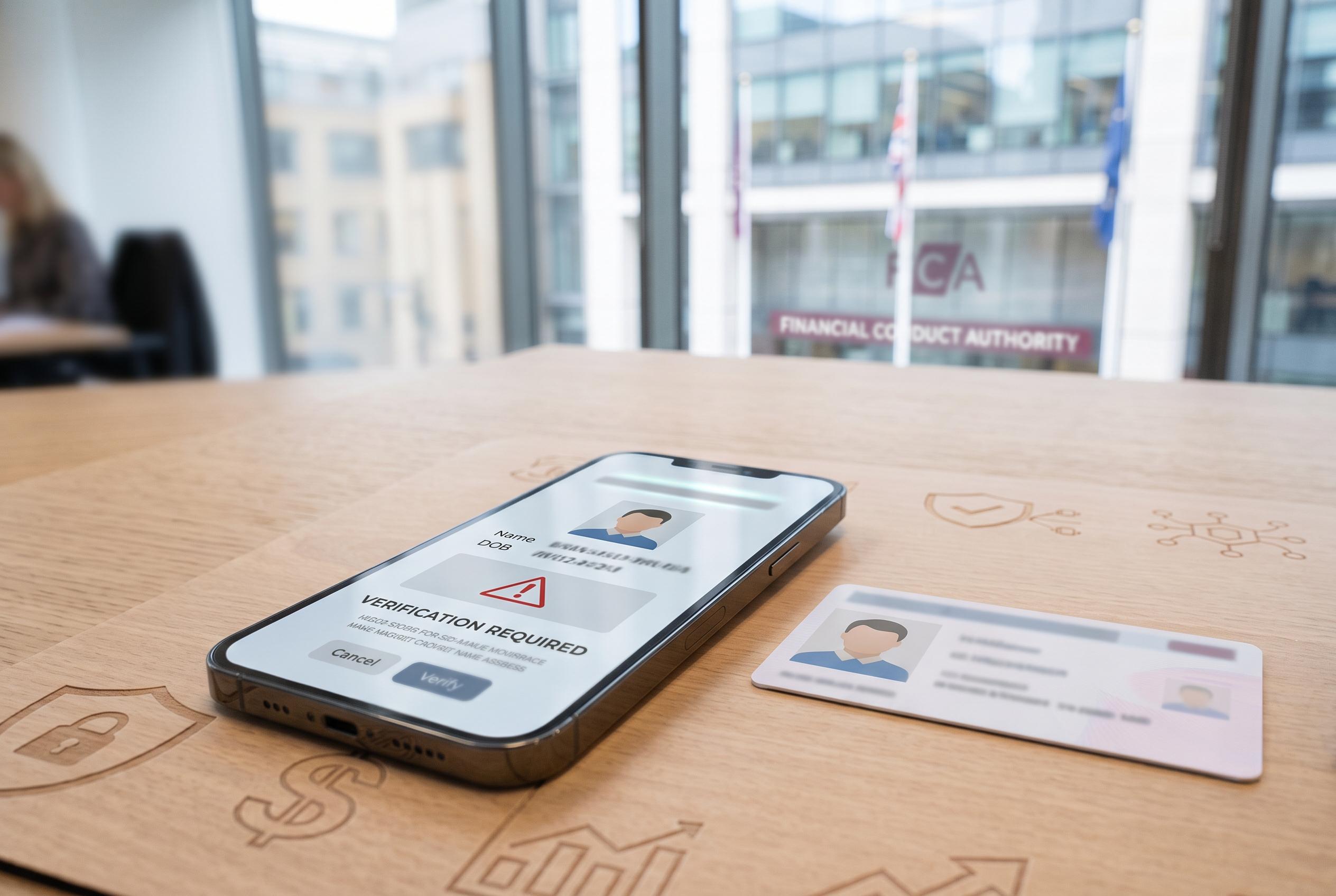

As identity verification requests become routine, experts warn of common red flags indicating scams, urging users to verify via official channels before sharing personal details.
Identity verification requests are now part of everyday life, whether someone is opening a bank account, claiming benefits or trying to regain access to an online service. The difficulty is that the same kind of message can be either routine security or the start of a scam. According to LegalClarity, genuine checks usually follow an action a person has already taken, while unexpected contact should prompt caution.
The timing is often the clearest clue. Legitimate requests usually arrive after someone has applied for a loan, changed account details or started a transaction, and they are meant to confirm that the right person is still in control. LegalClarity says safer organisations also give people a way to confirm the request independently, such as by visiting an official website directly or calling a known number rather than using contact details in the message itself.
Scammers, by contrast, tend to create pressure. LegalClarity says social engineering often depends on urgency, fear and a demand to bypass normal safeguards. Messages that warn of frozen accounts, lost money or legal trouble are designed to make people act first and think later. TrendLife and Inkl also note that impostors often rely on convincing branding, polished profiles or emotional manipulation to win trust before asking for personal details.
There are four requests that should set off alarms immediately. No legitimate verifier should ask for passwords or login details, because those hand over direct control of an account. Security codes sent by text or email should also stay private, since they are meant to confirm the account holder’s identity. Demands for payment, especially by gift card, cryptocurrency or wire transfer, are another major warning sign. So is pressure to upload sensitive documents through unfamiliar links.
The safest response is to slow down and verify the verifier. Open the organisation’s website yourself, check whether the request matches something you recently started and refuse to share information until the situation makes sense. LegalClarity and IdentityTheft.gov both recommend using trusted official channels when something feels off, while the Consumer Financial Protection Bureau advises consumers to rely on established fraud and identity-theft resources if they suspect a problem. Strong passwords, multi-factor authentication and updated software can add another layer of protection, but caution remains the best defence.
Disclaimer: This article is intended to inform and educate, not to recommend or endorse any financial product, investment or strategy. Please consider your own financial circumstances and seek professional advice where appropriate before making financial decisions.