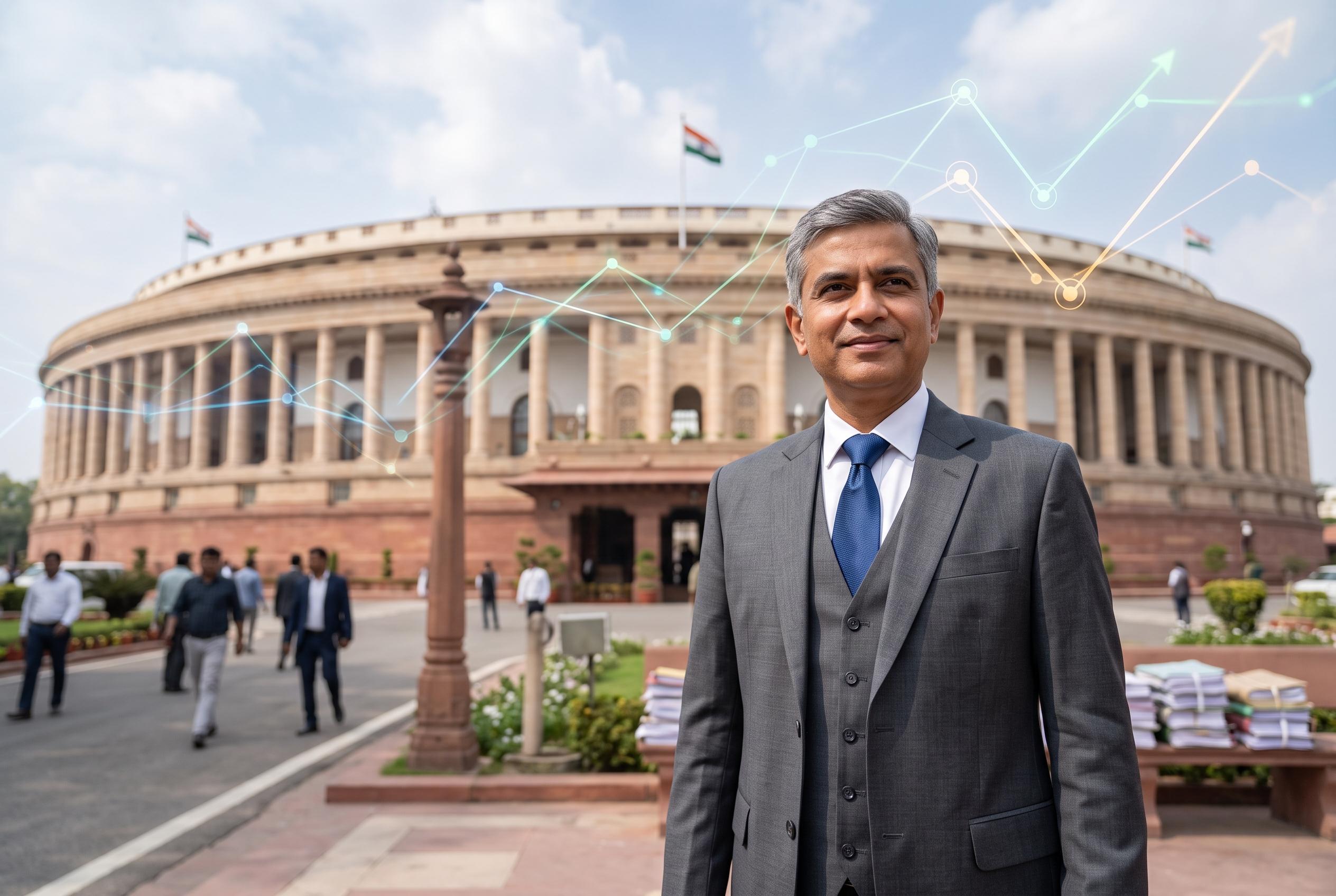

The Lok Sabha has approved the Micro, Small and Medium Enterprises Development (Amendment) Bill, 2026, introducing stricter deadlines and safeguards to improve cash flow and dispute handling for small firms, with ongoing opposition protests.
The Lok Sabha has cleared the Micro, Small and Medium Enterprises Development (Amendment) Bill, 2026, sending a package of changes aimed at speeding up payment disputes and easing pressure on small firms after the Rajya Sabha approved the measure earlier in the week. According to the legislation, the government wants to make the dispute resolution system more efficient, improve cash flow for MSMEs and reduce the burden of overdue invoices on suppliers. The House passed the Bill without debate as Opposition protests continued over other issues.
At the heart of the amendment is a tighter framework for delayed-payment cases. The Bill sets stricter deadlines for adjudication and makes settlement agreements between buyers and MSME suppliers easier to enforce, a shift intended to address one of the sector’s longest-running complaints. It also allows courts to require a buyer to deposit at least 50% of an award in favour of an MSME supplier if a challenge to the order has remained pending for more than six months, a safeguard meant to discourage drawn-out litigation.
The changes build on an existing system that already includes Micro and Small Enterprises Facilitation Councils in all states and Union territories, which handle delayed-payment disputes through conciliation or arbitration, according to government material tabled in Parliament. The Ministry of MSME has also run the SAMADHAAN online portal for filing complaints over outstanding dues, while companies receiving goods or services from MSMEs and delaying payment beyond 45 days are required to file half-yearly returns explaining the delay.
The wider policy backdrop is one of steady formalisation and credit growth in the sector. In Rajya Sabha, MSME Minister Jitan Ram Manjhi said outstanding credit to MSMEs had risen from ₹10 lakh crore in 2014-15 to more than ₹38.35 lakh crore, underscoring what the government describes as an improving flow of finance to small businesses. Parliament has also seen a stream of related reforms in recent years, including revised MSME classification thresholds, Udyam Registration and the Udyam Assist platform, all designed to widen access to formal support and reduce friction for smaller enterprises.
Disclaimer: This article is intended to inform and educate, not to recommend or endorse any financial product, investment or strategy. Please consider your own financial circumstances and seek professional advice where appropriate before making financial decisions.