

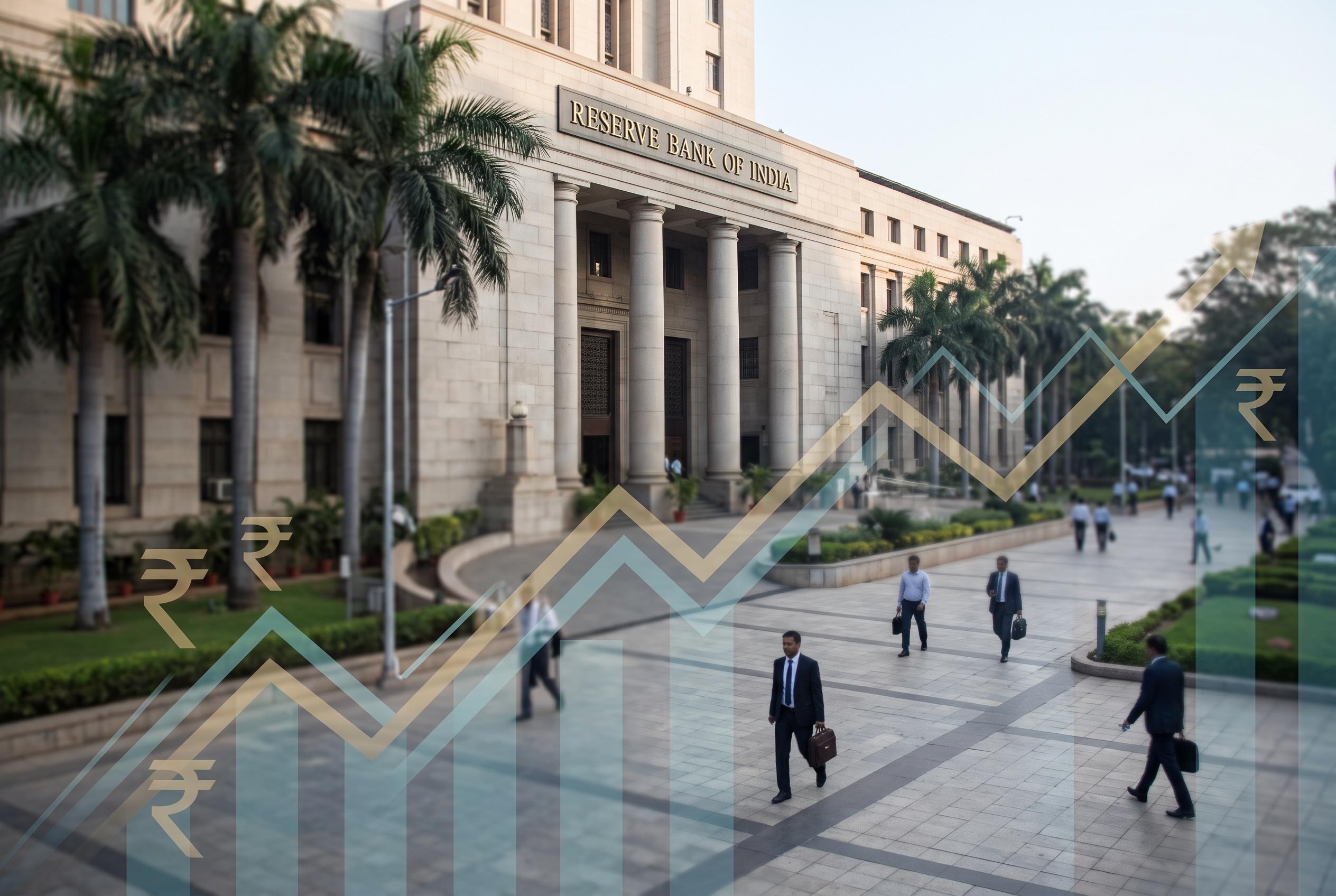

The Reserve Bank of India has maintained Tata Sons’ status in the upper-layer non-bank financier category for FY27, keeping alive the possibility of an eventual stock market listing amid regulatory and asset-based shifts.
Tata Sons is once again at the centre of a regulatory debate after the Reserve Bank of India kept the conglomerate’s holding company in its upper-layer non-bank financier category for FY27, preserving the prospect that it may eventually have to list. The central bank, however, has not yet completed its review of Tata Sons’ application to surrender its registration, leaving the group’s long-running effort to avoid an exchange listing unresolved.
The issue matters because upper-layer non-banking financial companies, or NBFCs, are subject to tighter supervision and, under the RBI’s framework, are expected to list within a set period unless they win relief. The bank first placed Tata Sons in that category in September 2022, setting off a three-year countdown. LiveMint reported in January 2025 that Tata Sons remained on the list of upper-layer NBFCs for FY25, keeping the listing deadline in view.
The debate has been sharpened by changes the RBI outlined in 2026. According to LiveMint and Business Standard, the central bank proposed an asset-based rule that would classify NBFCs with assets above ₹1 trillion as upper-layer entities, a threshold Tata Sons easily clears, with assets of about ₹1.75 trillion as of March 2025. Analysts quoted by Business Standard said that change would make it harder for the company to argue its way out of the category, even as the RBI removed language around “indirect receipt of public funds” that had complicated earlier deregistration arguments.
That shift briefly fuelled hopes that Tata Sons might secure an exemption from the listing requirement, but the company’s fate is still unsettled. In October 2025, RBI Governor Sanjay Malhotra declined to discuss the application publicly, while making clear that registered entities remain in business until their registration is cancelled. Around the same time, proxy adviser InGovern urged the RBI to reject the surrender request, warning that doing otherwise could encourage regulatory arbitrage and weaken oversight. For the Tata Group, the outcome carries implications beyond market access: it goes to transparency, governance and the degree of public scrutiny that would come with a stock market listing.
Disclaimer: This article is intended to inform and educate, not to recommend or endorse any financial product, investment or strategy. Please consider your own financial circumstances and seek professional advice where appropriate before making financial decisions.



