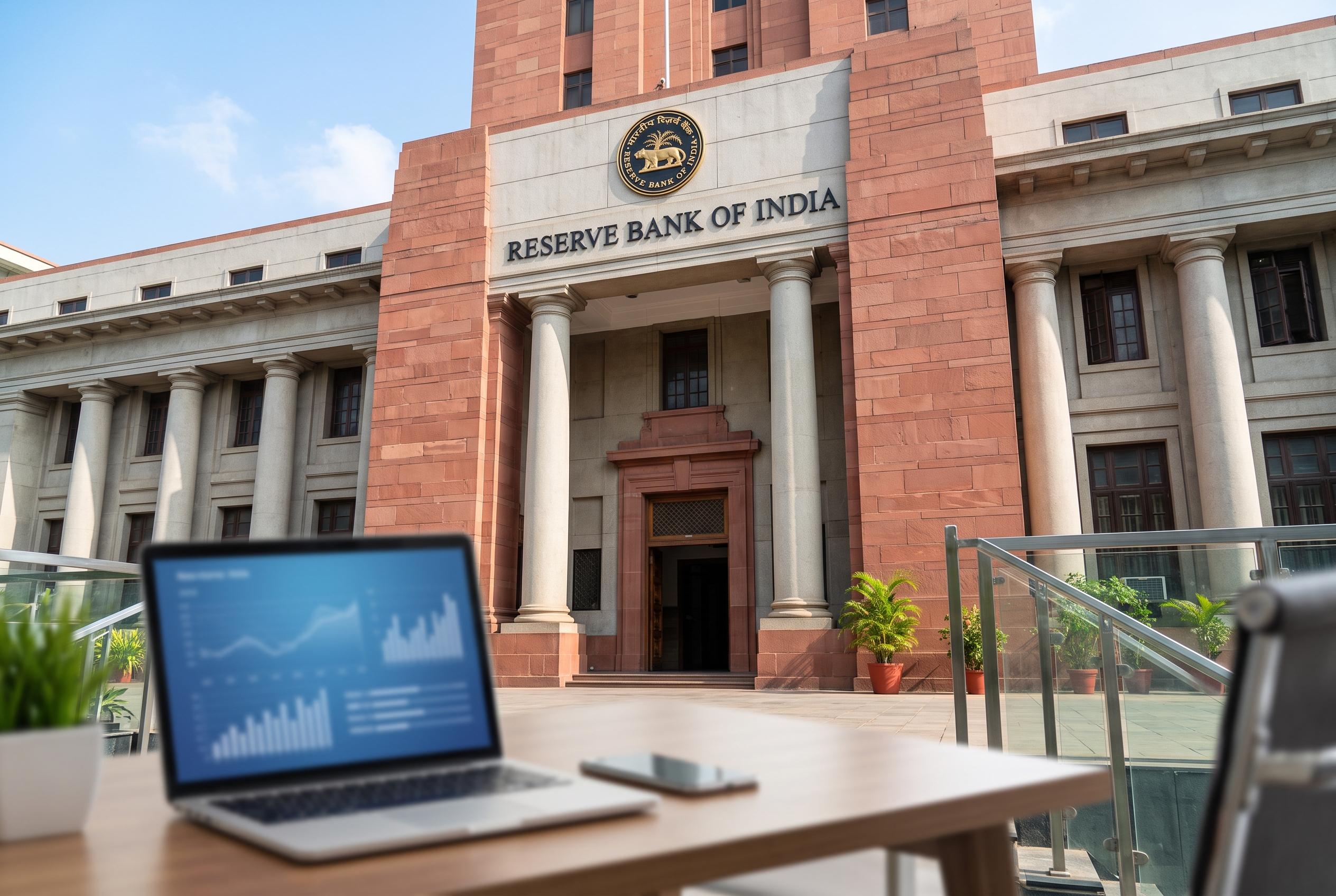

The Reserve Bank of India has introduced new guidelines limiting how lenders can lock borrowers’ phones and devices during debt recovery, prioritising borrower rights and device functionality.
India’s central bank has moved to curb one of the more aggressive tactics used in consumer debt recovery, barring lenders from remotely locking borrowers’ phones, tablets or laptops unless the device itself was financed under an agreement that clearly allows it. The Reserve Bank of India’s new framework marks a sharp narrowing of an idea it had earlier floated, when it was still weighing whether lenders should be allowed to disable devices bought on credit.
Under the final rules, any restrictions can begin only after a loan is 30 days overdue and must be introduced gradually over a 60-day period. Even then, lenders may not cut off essential functions such as outgoing calls, SMS or emergency SOS features, and they must ensure borrowers can still use the device for work-related purposes. The RBI also requires lenders to certify the locking mechanism with the device’s operating system or original equipment manufacturer before using it.
The central bank has paired the new recovery tool with safeguards for borrowers. Lenders must tell customers what restrictions are in place and when they will be applied, and they must compensate borrowers if a device is wrongly restricted or not restored promptly after repayment. The compensation is set at INR 250 an hour, capped at the principal amount of the loan.
The RBI has also tightened conduct rules for recovery agents. Banks must publish the names of approved recovery agencies on their websites, train staff on proper behaviour and ensure agents act with dignity and respect when contacting borrowers or visiting their homes. Calls and visits are barred between 8:00 a.m. and 9:00 p.m. unless the borrower or guarantor gives explicit permission.
Disclaimer: This article is intended to inform and educate, not to recommend or endorse any financial product, investment or strategy. Please consider your own financial circumstances and seek professional advice where appropriate before making financial decisions.