

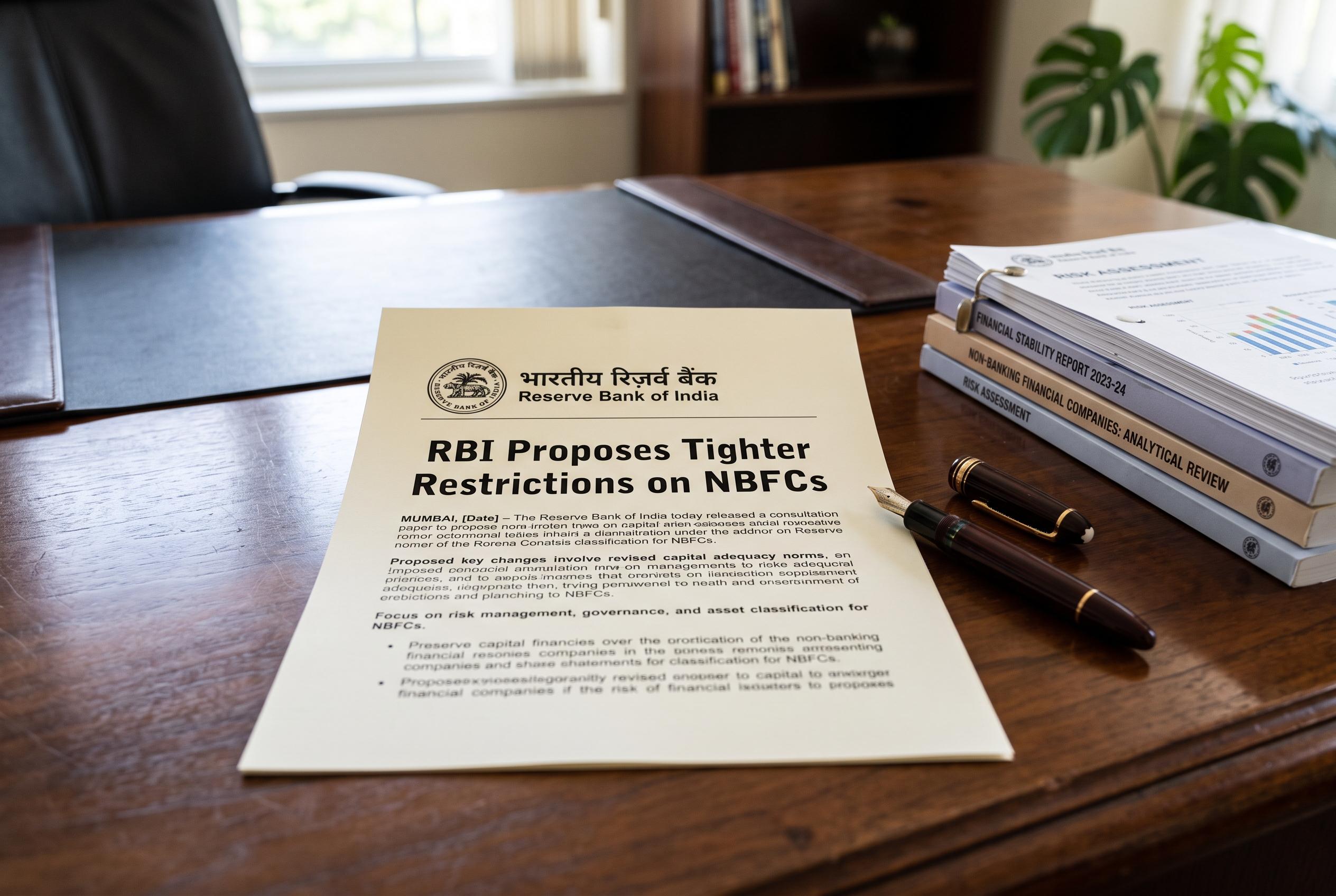

India’s central bank advances new measures to streamline NBFC lending practices, banning revolving credit except with specific authorisation, as part of broader reforms to enhance sector oversight and borrower protections.
India’s central bank has moved to tighten the rules for non-banking finance companies, proposing that they confine lending to term loans and stop offering revolving credit products, except where an NBFC is specifically authorised to issue credit cards. According to the Reserve Bank of India’s draft amendment directions, a revolving credit facility would be any fund-based loan that does not qualify as a term loan, while a term loan would be a fixed principal facility that is disbursed in one or more tranches and repaid on a set schedule without the limit being restored after repayment.
The draft is the latest in a series of regulatory changes the RBI has been advancing to sharpen oversight of the NBFC sector. In recent months, the central bank has also moved on digital lending, requiring more transparent disclosure of the annual percentage rate, amortisation schedule and total cost of credit before sanctioning a loan, while barring lenders from collecting charges not disclosed in the Key Fact Statement. That framework also tightened rules on recovery agents and outsourcing practices.
Separately, the RBI has been seeking to standardise conduct and governance across NBFCs through draft directions on recovery practices, including clearer rules for repossession, borrower communication and grievance redressal. Those proposals, as described by legal and advisory firms, go further by defining recovery agencies and agents more precisely, restricting collection conduct and requiring lenders to preserve records of recovery calls and interactions.
The central bank has invited comments from regulated entities and other stakeholders by August 28, 2026. Taken together, the draft lending restriction and the wider package of NBFC reforms suggest the RBI is trying to curb product complexity, reduce borrower friction and bring more consistency to how lenders extend credit and pursue collections.
Disclaimer: This article is intended to inform and educate, not to recommend or endorse any financial product, investment or strategy. Please consider your own financial circumstances and seek professional advice where appropriate before making financial decisions.



