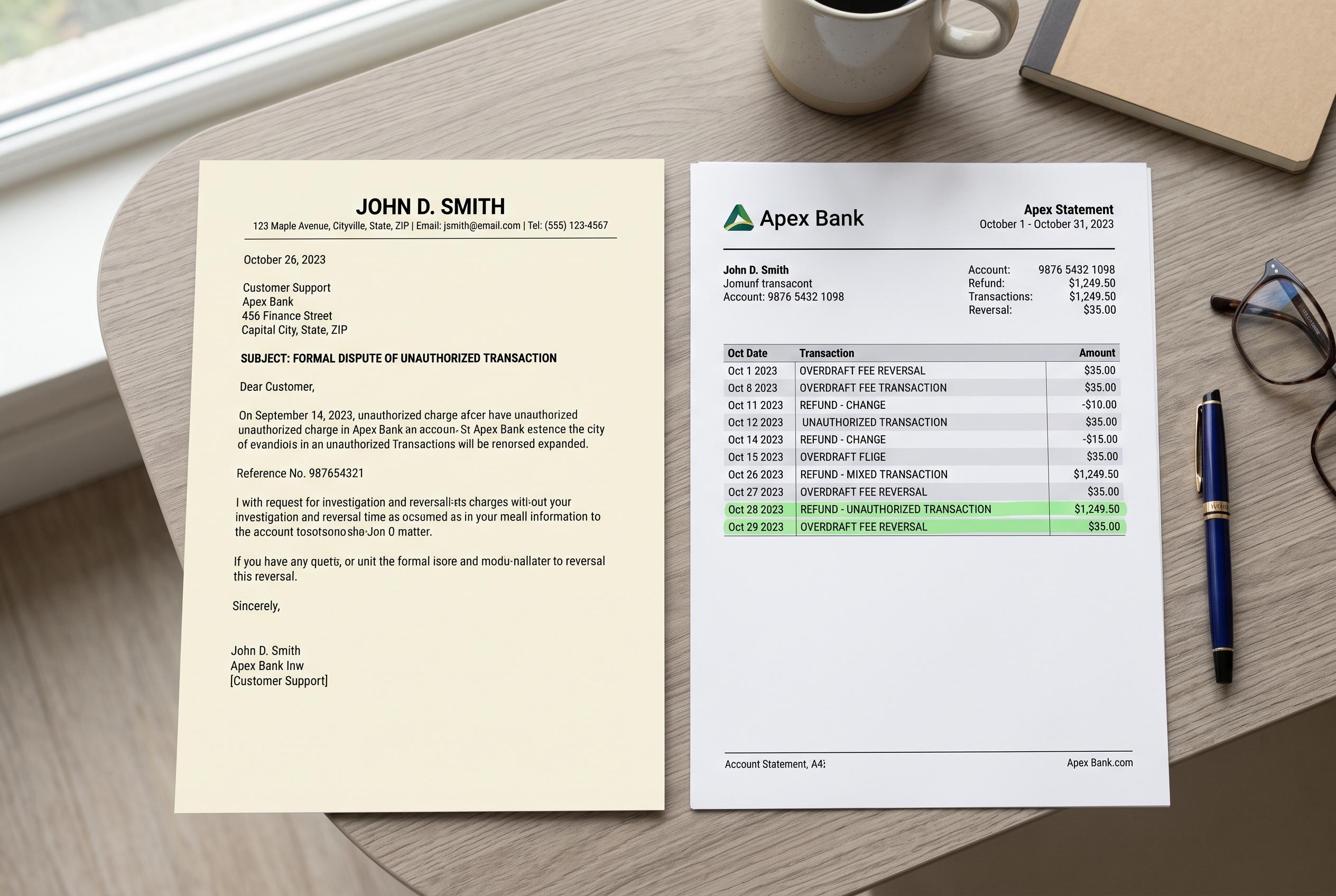

Alexander Vurasko highlights how consumers may recover funds for charges made after cancelling subscriptions, emphasising the importance of documentation and quick action in dispute processes.
Consumers may be able to recover money taken for a subscription if the charge landed after they had already cancelled, according to Alexander Vurasko, who spoke on the Russian television programme “Dobroye utro” and was reported by 1tv.ru. He said such cases offer a strong chance of getting funds back, especially when the customer can show that the cancellation was made in advance and the payment should not have gone through.
Vurasko said the first step is to challenge the charge either with the bank or directly with the company that supplied the service. The key issue, he said, is proving that the deduction was unjustified. If a person had already opted out but the money was still taken, that documentation strengthens the case for a refund.
Consumer guidance published by the US Federal Trade Commission broadly supports that approach, advising people to keep records of cancellation notices, bank statements and any messages exchanged with the company. The FTC also recommends monitoring accounts for renewals after cancellation and, where needed, disputing the payment with the card issuer or reporting the issue to regulators.
By contrast, if a subscription was never cancelled before the next billing date, getting the money back is usually much harder. Legal guidance and consumer-help resources say the route to a refund depends on the payment method and the platform involved, but the chances improve when the customer can show a clear cancellation record and act quickly within the bank’s dispute window.
Disclaimer: This article is intended to inform and educate, not to recommend or endorse any financial product, investment or strategy. Please consider your own financial circumstances and seek professional advice where appropriate before making financial decisions.