

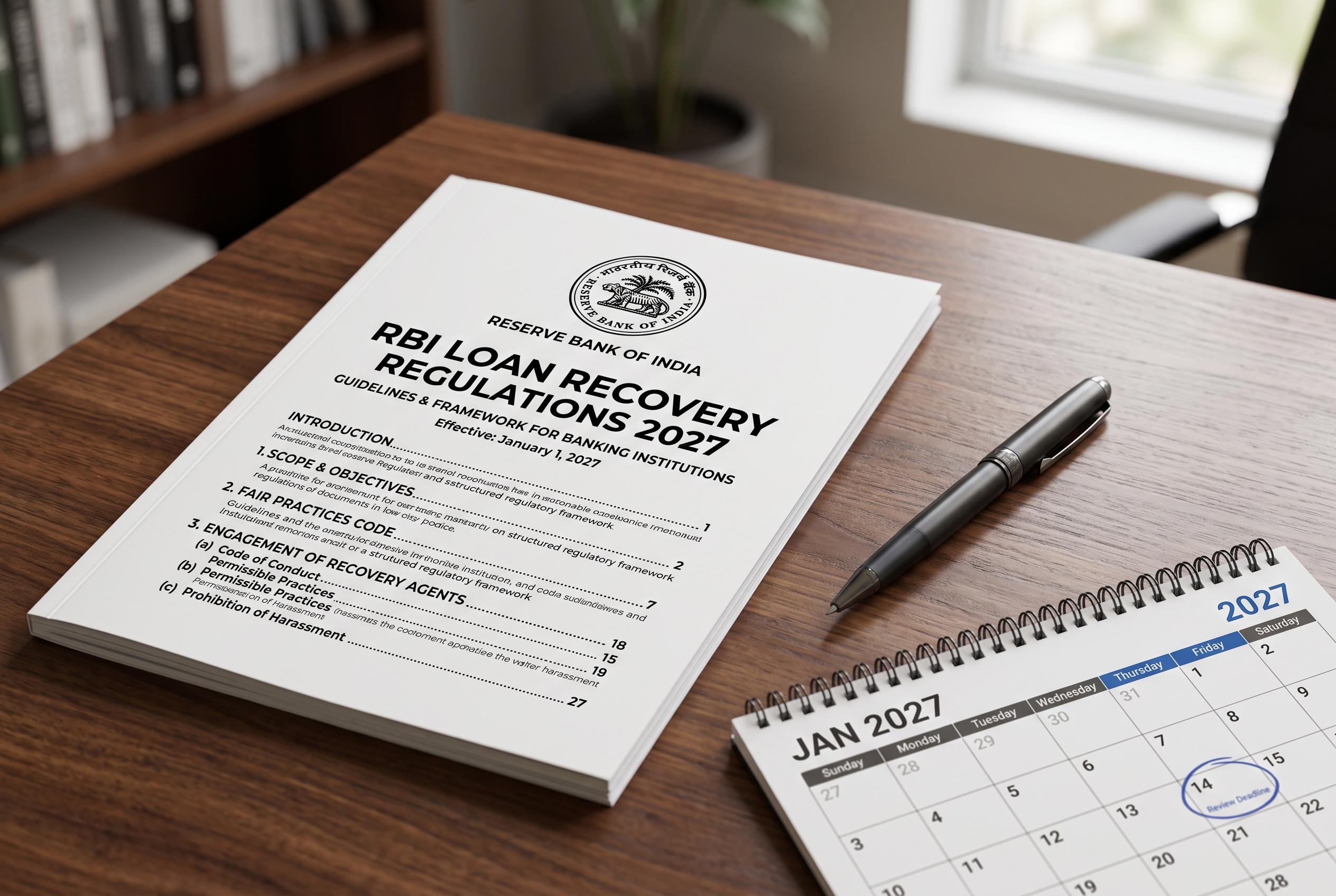

India’s Reserve Bank introduces stricter regulations on debt collection practices, banning device disabling without consent and limiting recovery agent actions to enhance borrower rights from January 2027.
India’s central bank has tightened the rules governing loan recovery, moving to curb harassment by collection agents and to give borrowers stronger protection when repayments fall behind. According to the Reserve Bank of India, the revised framework covers the conduct of regulated entities, the hiring and oversight of recovery agents, training standards and a formal code of conduct. The new rules will take effect on January 1, 2027.
One of the sharpest changes concerns loans tied to consumer devices. The RBI has barred lenders and their service providers from disabling functions on a borrower’s mobile phone, laptop or tablet simply to force repayment, unless the device was financed through that loan and the contract expressly allows such action. Even then, the bank must give notice before restrictions are imposed, and outgoing calls cannot be blocked until 60 days after the due date. The central bank also says lenders and their vendors may not access personal data stored on the device.
The revised rules also aim to rein in aggressive recovery tactics that have drawn repeated complaints from borrowers. Reuters-style coverage of the RBI’s draft and subsequent updates indicates that agents will be bound by tighter limits on calling hours, with contact allowed only between 8 a.m. and 7 p.m. Harassment, intimidation, abusive language and the public posting of a borrower’s photographs are prohibited. The framework also requires lenders to set up a loan recovery policy and conduct due diligence on recovery agencies.
If a lender wrongly blocks a device or delays restoring services after payment has been made, the RBI says the borrower must be compensated at a rate of ₹250 per hour until the problem is fixed, capped at the amount of the loan. Borrowers who believe a recovery agent has broken the rules are expected to complain first to the bank’s nodal officer and then, if needed, to the RBI’s Integrated Ombudsman. The move follows earlier draft proposals that were floated for public feedback and later revised before final implementation.
Disclaimer: This article is intended to inform and educate, not to recommend or endorse any financial product, investment or strategy. Please consider your own financial circumstances and seek professional advice where appropriate before making financial decisions.



