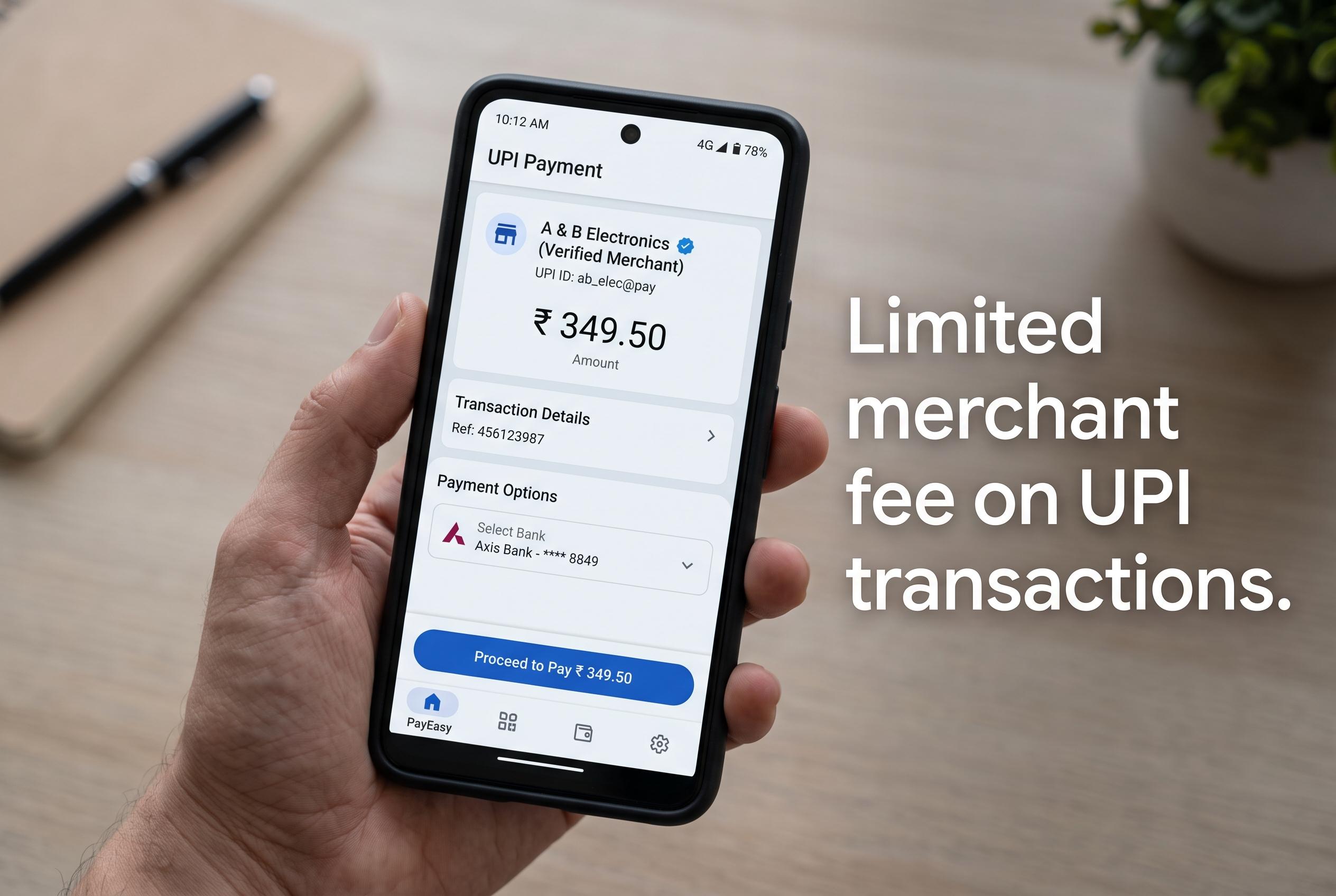

A proposed merchant fee on UPI transactions will impact only a small segment of the market, potentially prompting shifts in the use of digital payment methods as the government balances growth and system economics.
A new merchant fee on Unified Payments Interface transactions would affect only a small slice of the market, with Business Standard’s datanomics analysis suggesting that about 4% of UPI payments to businesses could fall under the proposed levy once the Taxation and Other Laws (Amendment) Bill, 2026 takes effect. That would leave roughly 96% of merchant-linked UPI transactions outside the charge, while person-to-person transfers would remain exempt.
The prospect of a merchant discount rate, or MDR, has reopened a familiar debate over how India should balance the growth of low-cost digital payments with the economics of running the system. UPI has become the backbone of retail payments since its launch 10 years ago, and recent figures underline how dominant it has become. Moneycontrol reported that UPI processed more than ₹308 lakh crore in the 2025-26 financial year, while Digital India data cited by DD India put the figure even higher at ₹314.23 lakh crore, reflecting continued expansion in both value and usage.
Volume trends point in the same direction. Clearing Post said UPI handled 241.6 billion transactions in the year to March 2026, with person-to-merchant payments accounting for about 63% of transaction volume. That makes the merchant segment especially important for any fee regime, even if the vast majority of transactions would still remain untouched. Business Standard said the exact MDR rate and any further exemptions would be set out in rules under the law, leaving the final shape of the policy unresolved.
For now, the main concern among industry watchers is that even a limited fee could nudge some users and businesses towards other payment options, including cards and electronic transfers. That would not necessarily reverse UPI’s rise, but it could alter the mix of digital payments if merchants and customers decide the new cost is worth avoiding.
Disclaimer: This article is intended to inform and educate, not to recommend or endorse any financial product, investment or strategy. Please consider your own financial circumstances and seek professional advice where appropriate before making financial decisions.