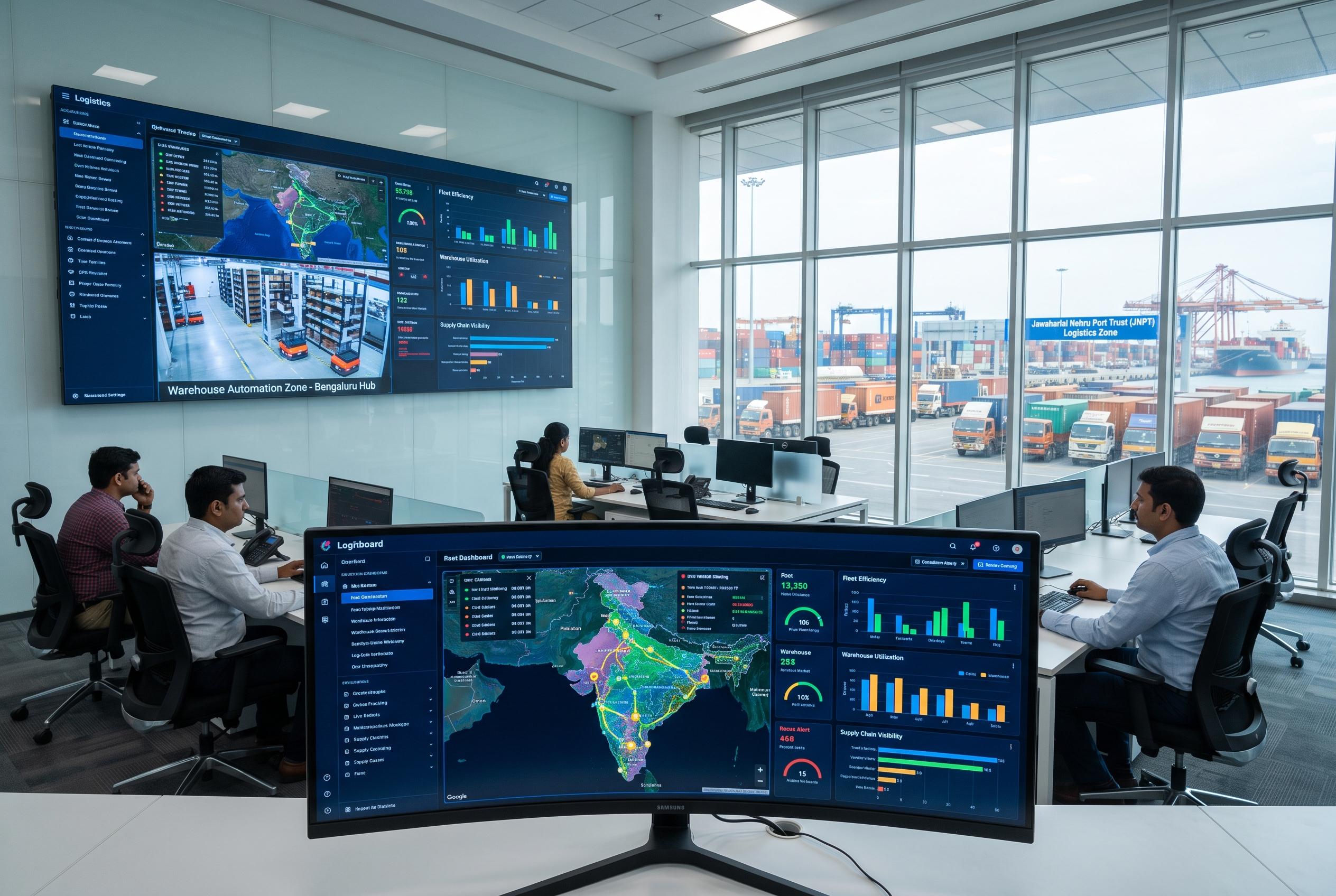

India’s logistics sector is undergoing a transformation as startups leverage digital tools and government initiatives to enhance supply-chain visibility, optimise routes, and reduce costs, signalling a shift towards a digitally orchestrated and data-driven logistics ecosystem.
India’s logistics sector is no longer being measured only by the size of its truck fleet. According to the World Bank’s Logistics Performance Index 2023, the country rose to 38th place out of 139 economies, up from 44th in 2018 and 54th in 2014, signalling that supply-chain visibility has become a broader competitiveness issue. Government push through PM GatiShakti, the National Logistics Policy and digital tools such as the Logistics Data Bank has reinforced a simple idea: movement must be tracked, coordinated and made measurable.
That shift matters because the problem for many Indian businesses has never been just transport. Delays, fragmented hand-offs, poor tracking and costly returns have long made supply chains feel opaque to shippers and operations teams. As logistics technology matures, companies are increasingly using telematics, RFID, GPS-based monitoring and dashboard software to turn shipments into data rather than guesswork.
A second wave of software is focused on orchestration. Route optimisation, carrier allocation, multimodal planning and exception management are helping companies move from constant firefighting to more proactive control. In practice, that means less manual follow-up, better adherence to service levels and fewer wasted miles.
Several Indian startups have built distinct businesses around these pain points. Rivigo changed long-haul freight with relay-style operations, while ElasticRun built rural distribution through kirana stores. BlackBuck digitised freight discovery and trucker payments, FarEye has focused on last-mile visibility and returns, and Shipsy and Locus have pushed automation in routing and control-tower decision-making.
The commercial case is strong because logistics margins are thin and inefficiency quickly erodes profit. Every failed delivery, untracked return or unnecessary detour raises the cost of serving customers. For founders and shippers alike, the opportunity now lies in making movement visible, decisions automated and costs easier to understand. In that sense, logistics software is becoming less of a niche and more of an operating system for modern Indian commerce.
Disclaimer: This article is intended to inform and educate, not to recommend or endorse any financial product, investment or strategy. Please consider your own financial circumstances and seek professional advice where appropriate before making financial decisions.