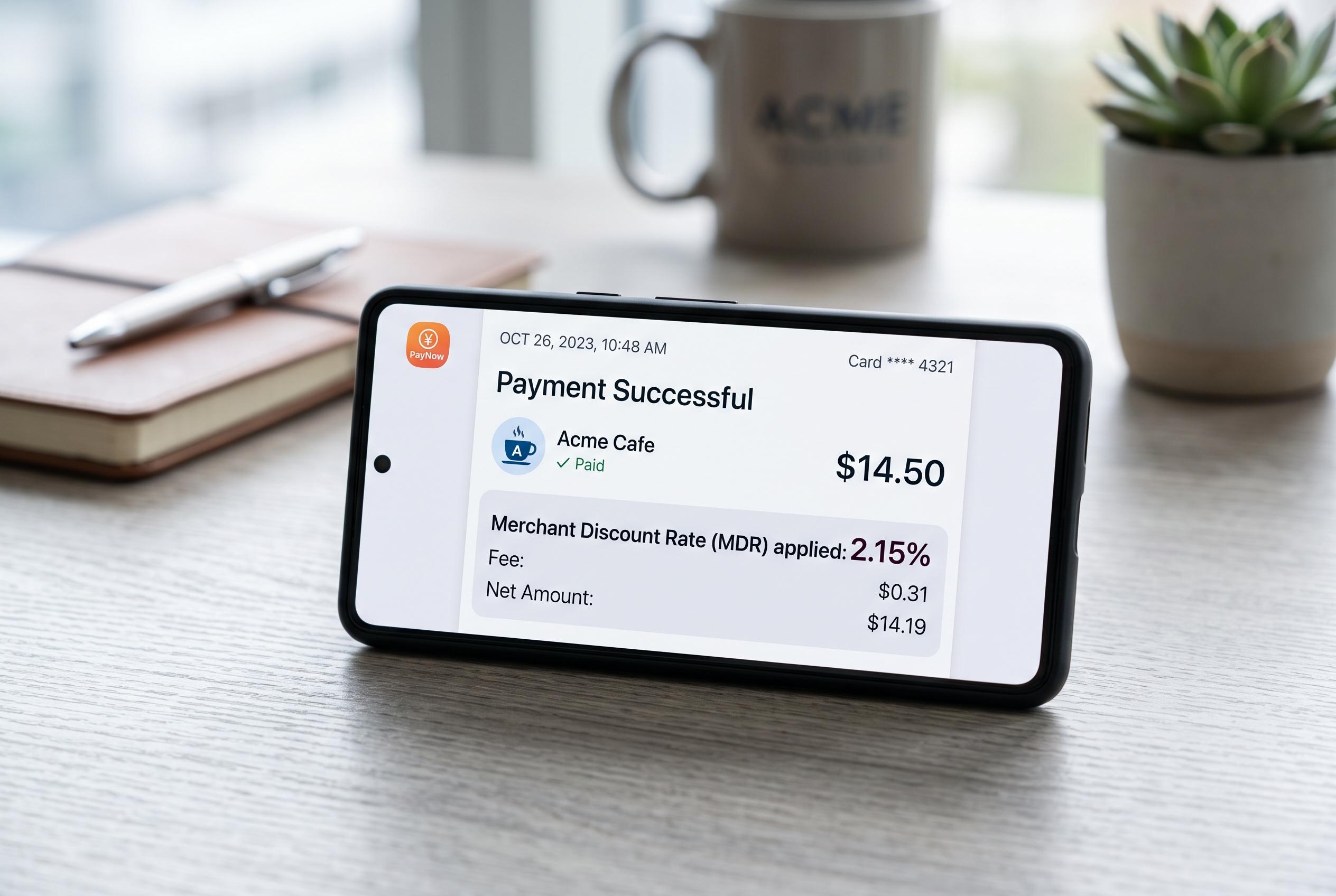

India’s move to potentially bring back merchant discount rates on the Unified Payments Interface could revolutionise competition among smaller payment apps by providing new revenue opportunities, even as industry leaders await final approval.
India’s push to bring a merchant discount rate back to parts of the Unified Payments Interface could reshape how some of the country’s smaller payment apps compete, even if industry executives do not expect an immediate shake-up in market share. Business Standard reported that firms outside the top tier would have a stronger commercial reason to spend on attracting and retaining users if transactions once again generated revenue for the ecosystem.
The current UPI market remains heavily concentrated. Data from the National Payments Corporation of India shows there are 47 third-party UPI apps in India, but PhonePe, Google Pay and Paytm account for 83.23% of transaction volume and 86.29% of value. The rest of the market, including both smaller fintech apps and banking apps, together holds about 17% by volume.
Executives told Business Standard that a fee on UPI payments would mainly improve the economics of the acquiring side, where banks and payment companies handle merchant acceptance. They argued that a viable MDR could help offset rising deployment, servicing and regulatory costs, while also giving apps that were built around credit cards, lending or bill payments a clearer route to profitability. Vishwas Patel, managing director of AvenuesAI and chairman of the Payments Council of India, said the zero-fee model has made it harder to fund both the current system and the next wave of users in smaller cities and towns.
Jefferies estimated that an MDR of 15 to 30 basis points on UPI transactions above ₹2,000 could generate ₹5,000 crore to ₹10,000 crore by FY28. The move, however, is not yet final. On August 6, the Lok Sabha passed the Taxation and Other Laws Amendment Bill, 2026, which would change the Payment and Settlement Systems Act, 2007, but the proposal still needs approval in the Rajya Sabha and presidential assent before any MDR can be introduced.
Disclaimer: This article is intended to inform and educate, not to recommend or endorse any financial product, investment or strategy. Please consider your own financial circumstances and seek professional advice where appropriate before making financial decisions.