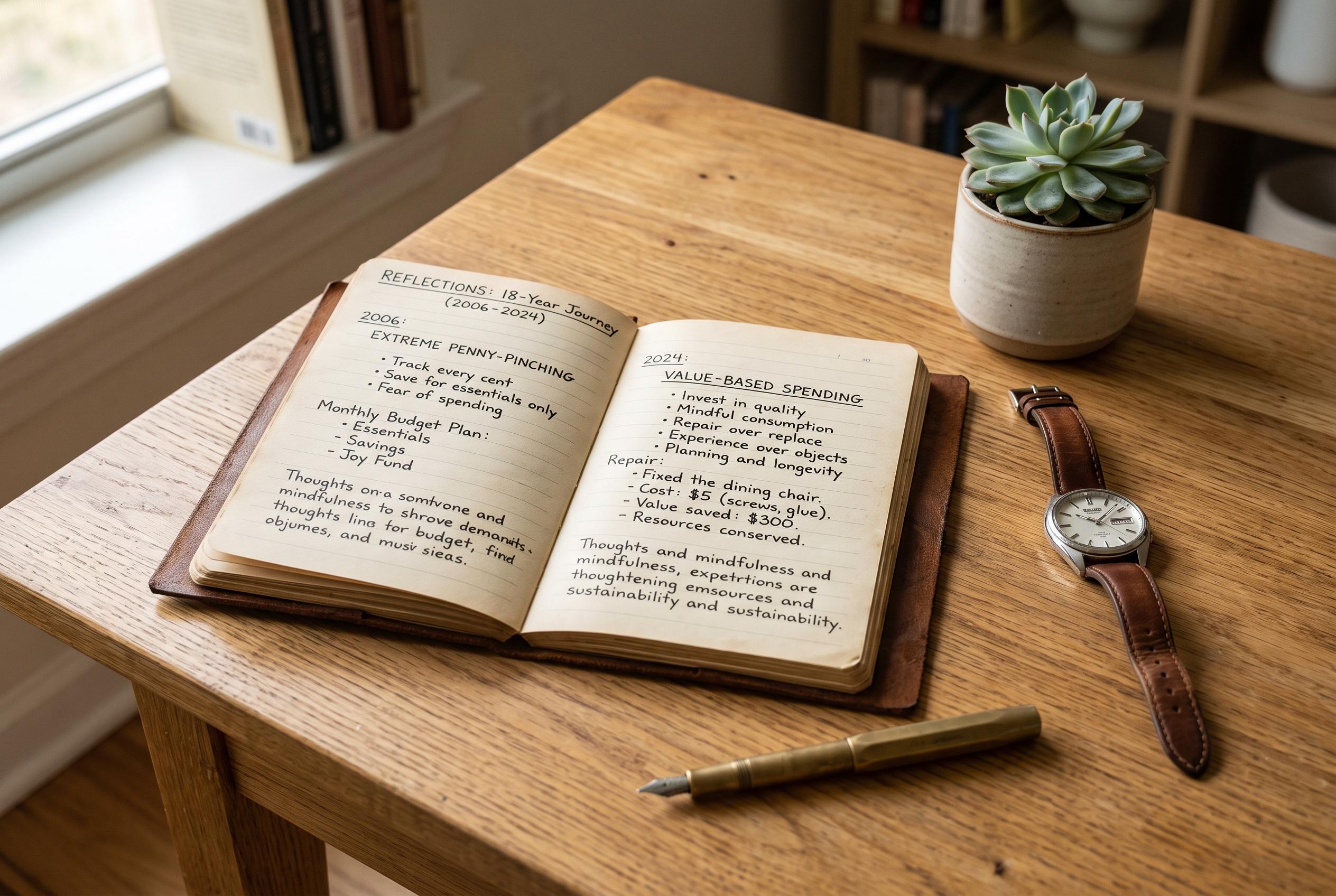

An 18-year journey of intentional saving highlights the shift from extreme penny-pinching to value-based spending, emphasising the enduring importance of planning, repair, and mindful consumption.
In January 2008, a newly married woman began what she thought would be a short experiment: one month of buying only essentials. The rules were simple enough , groceries and monthly bills were allowed, everything else was off-limits , but the effect, she later wrote on Simply Frugal, was bigger than she expected. What started as a way to curb mindless spending became a lasting reset, teaching her to shop more deliberately, use what she already had and treat money as a tool for freedom rather than a source of stress.
Eighteen years on, her account shows how frugality has shifted with technology. Paper flyers, coupon booklets and store-hopping have given way to digital circulars, cashback apps and online price comparisons. Yet the core discipline has stayed the same: planning meals, checking the pantry before shopping, waiting before non-essential purchases and favouring value over the lowest sticker price. Similar advice appears in other frugal-living guides, which also stress meal planning, cooking at home and using technology to make saving easier.
Her story also reflects a broader argument found in frugality writing: that saving money does not have to mean living miserably. The Simply Frugal piece says the biggest gain from that first no-spend month was not the cash saved but the feeling of lightness that came from spending with intent. Other personal finance guides make the same point, describing frugality as a way to reduce waste, protect cash flow and make room for the things that matter most.
What she no longer does is just as revealing. She has moved away from obsessive couponing, bulk buying things the family will not use and chasing tiny savings that cost too much time. Instead, she spends more willingly on durable shoes, well-made appliances, travel, children’s activities, books and the occasional meal or coffee out. That emphasis on long-term usefulness and quality is echoed across several frugality guides, which argue that the smartest savings often come from avoiding repeat replacements and impulse buys rather than from extreme penny-pinching.
The family’s approach is also built around debt avoidance and upkeep. According to the article, they have relied on cash for major purchases, including used cars, and have paid off their mortgage by making extra annual principal payments. She also credits repairs and maintenance, helped in part by online tutorials, with keeping major household items in service far longer than they otherwise might have lasted. That philosophy fits neatly with other frugal-living advice that stresses repairing before replacing, borrowing when possible and taking advantage of free entertainment.
For readers starting out, her message is that restraint works best when it is gradual. One habit at a time , a weekly meal plan, a shopping list, a 24-hour pause before buying something tempting , can reshape spending far more effectively than an all-or-nothing overhaul. After 18 years, her conclusion is straightforward: frugality is not about scarcity, but about creating enough breathing room to spend confidently on what genuinely adds value.
Disclaimer: This article is intended to inform and educate, not to recommend or endorse any financial product, investment or strategy. Please consider your own financial circumstances and seek professional advice where appropriate before making financial decisions.