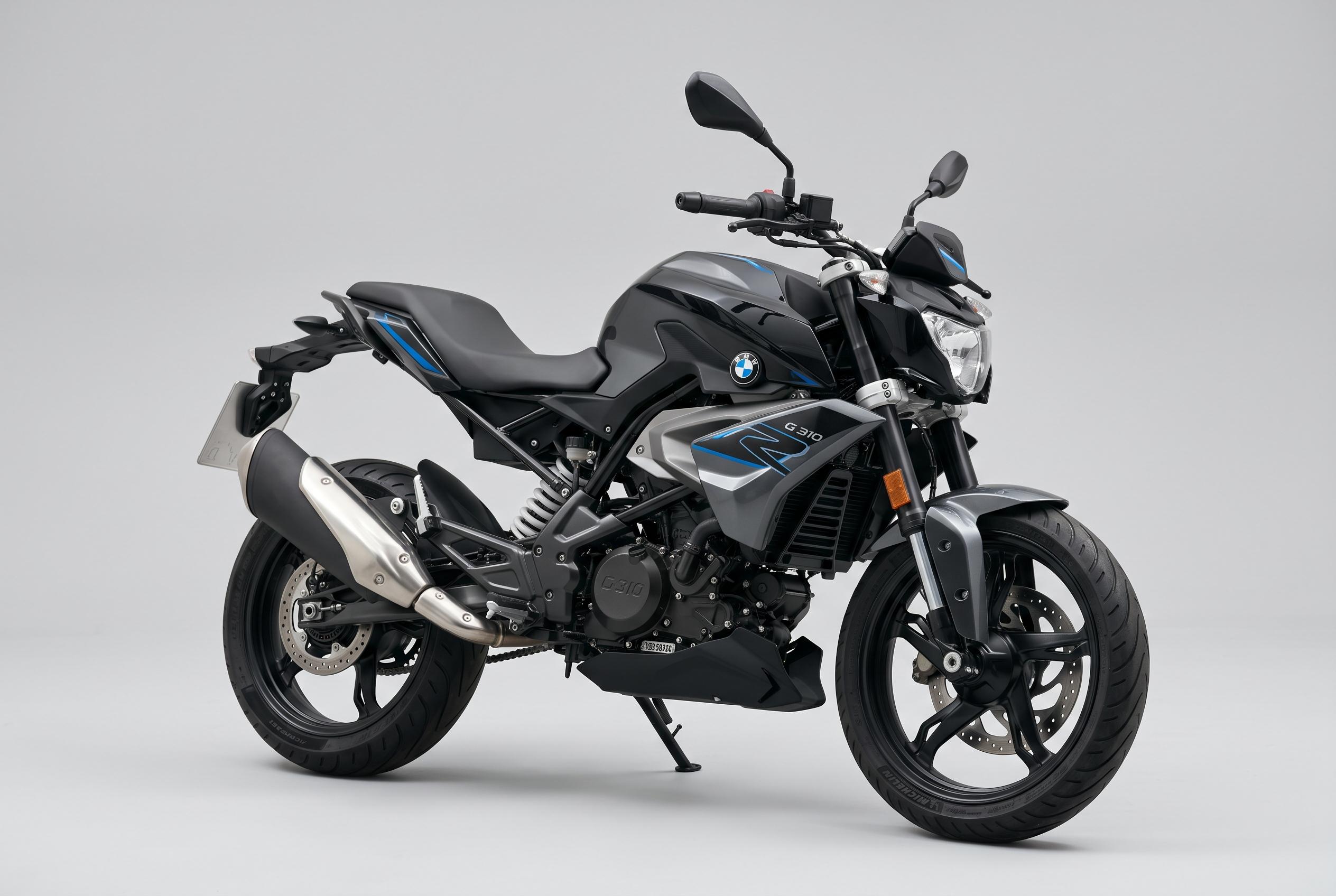

While many buyers focus on the lowest premium, industry experts advise considering coverage, add-ons, claim services, and the insured declared value to avoid costly surprises after accidents or theft.
For many two-wheeler buyers, the first instinct is to chase the lowest premium. That can seem sensible at renewal time, but industry guidance suggests it is often the least useful way to judge a policy. In practice, the real test comes when a bike is stolen, damaged or needs repairs after an accident. At that point, the difference between a cheap policy and a well-structured one can be substantial.
One reason is that motor insurance in India is not a single, uniform product. A third-party policy may satisfy the legal requirement to cover liability to other road users, but it does not pay for damage to the rider’s own vehicle. By contrast, comprehensive cover usually combines third-party liability with own-damage protection, which is why many advisers say riders should look well beyond the premium figure. Coverage, exclusions and the scope of assistance matter just as much as price.
The insured declared value, or IDV, is another factor that is often overlooked in a hurry to save money. It determines the maximum sum insured for own-damage cover and is linked to the bike’s value after depreciation. A lower IDV can bring down the premium, but it can also reduce the payout in the event of theft or total loss. That is one of the clearest ways a bargain policy can become expensive later.
Add-ons can also change the picture significantly. Zero depreciation cover, roadside assistance, engine protection, return-to-invoice cover and no-claim bonus protection all serve different needs, and advisers say their usefulness depends on the bike’s age, the rider’s usage and local conditions. For commuters in traffic-heavy cities or owners of newer, costlier models, these extras can be more valuable than the initial saving from trimming them away.
Claim service is another part of the cost that is easy to ignore at purchase. Guides from insurance and automotive websites say riders should check how claims are filed, whether cashless garages are available nearby and how quickly settlements are typically handled. They also recommend reviewing the insurer’s reputation, financial stability and customer support, not just the headline price. In other words, the cheapest policy may not be the best value if it is difficult to use when something goes wrong.
That is why the strongest advice from industry sources is to treat bike insurance as a balance of price, protection and practical support. Riders are encouraged to compare the policy type, IDV, add-ons, deductibles, claim process and renewal benefits together before deciding. For everyday riders, especially those who depend on their two-wheeler for commuting, the right cover is less about paying the least and more about avoiding unpleasant surprises later.
Disclaimer: This article is intended to inform and educate, not to recommend or endorse any financial product, investment or strategy. Please consider your own financial circumstances and seek professional advice where appropriate before making financial decisions.