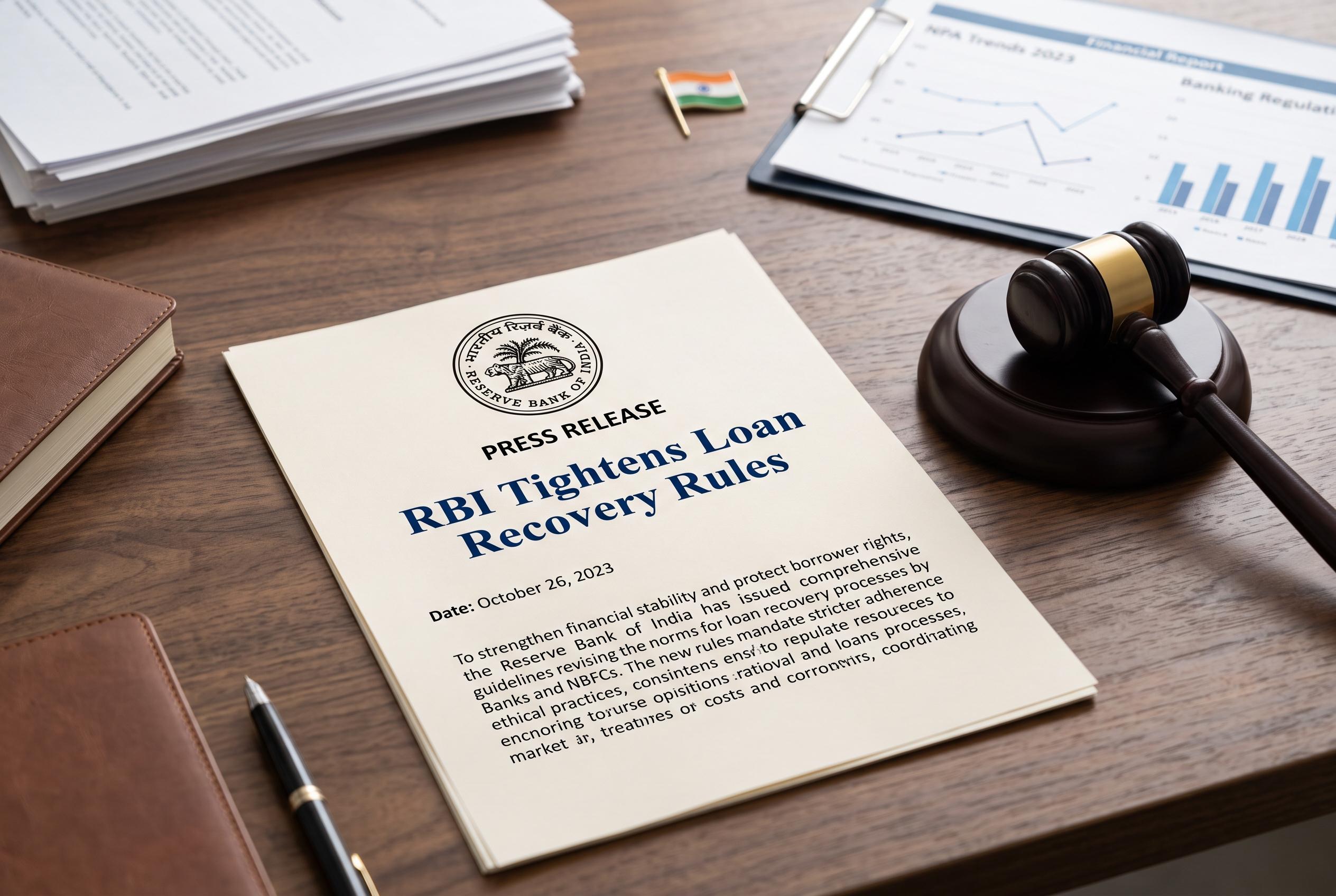

India’s central bank introduces stricter guidelines for lenders to prevent harassment during debt recovery, including regulated contact hours, accountability measures, and restrictions on device restrictions, effective from January 2027.
India’s central bank has moved to tighten the rules governing loan recovery, issuing new directions designed to curb harassment and give borrowers stronger protection during default proceedings. According to The Hindu BusinessLine, the Reserve Bank of India’s latest amendment requires lenders to keep contact with borrowers or guarantors to between 8 a.m. and 7 p.m. and to avoid making calls or visits at sensitive moments such as a family bereavement or a medical emergency.
The rules, which the report said will take effect on January 1, 2027, apply to banks and non-banking finance companies and bar recovery staff from using abusive language or posting a borrower’s personal details, video or audio recordings on social media. Livemint reported that the central bank also wants lenders to maintain up-to-date records of recovery agencies, document the timing and number of calls made and preserve call recordings as part of a wider push for accountability.
The new framework also requires lenders to set out a formal recovery policy covering when the process begins, how escalation should work and what conduct is expected from employees and outside agents. Reuters-style reporting by Moneycontrol and The Times of India on the draft version of the rules said the RBI also wanted borrowers’ complaints addressed before recovery steps advance, with clearer disclosure of recovery agents’ identities and greater emphasis on civil behaviour and privacy.
The central bank has also sharpened its stance on devices bought with lender finance. Business Standard reported earlier this year that lenders may disable or restrict such mobile phones or tablets only when the loan agreement permits it, and only after the loan is 60 days past due, following notice to the borrower. The latest directions go further by saying no restriction should begin until the loan is 30 days overdue, while outgoing calls cannot be blocked until the debt reaches 60 days past due. Essential functions such as incoming calls, SMS and emergency SOS must remain available.
Borrowers will also be entitled to compensation if a lender wrongly restricts a financed device or is slow to restore service after payment, with the RBI setting compensation at ₹250 an hour until the error is fixed, capped at the amount of the loan disbursed. The rules are aimed at balancing recovery rights with borrower dignity, especially in a sector where aggressive collection tactics have long drawn complaints.
Disclaimer: This article is intended to inform and educate, not to recommend or endorse any financial product, investment or strategy. Please consider your own financial circumstances and seek professional advice where appropriate before making financial decisions.