

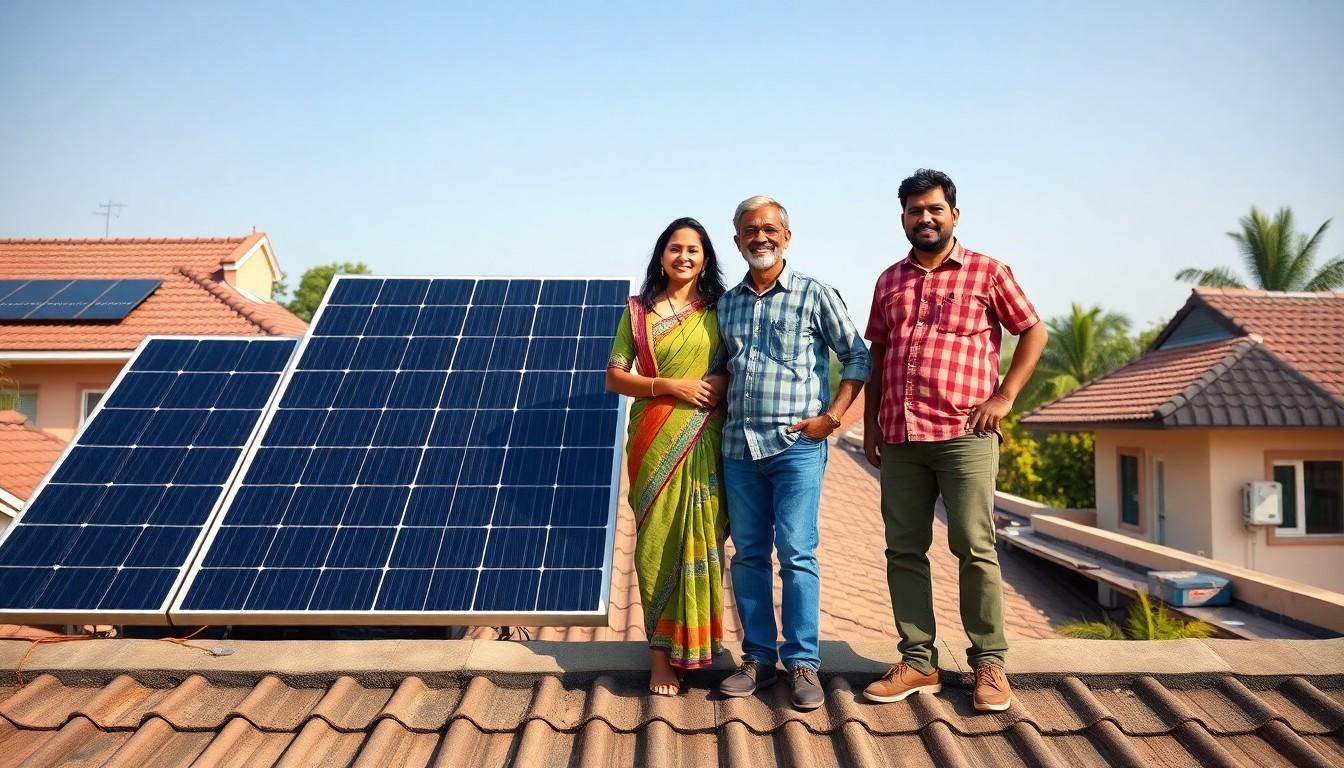

With household power bills climbing due to increased tariffs and device usage, India’s PM Surya Ghar scheme presents a promising solution through subsidised rooftop solar, enabling savings and energy independence for millions.
Indian households are feeling the strain of higher power bills, and not just because they are using more electricity. Rising tariffs, heavier use of cooling appliances and a growing number of plugged-in devices are all pushing monthly costs up, according to the lead article. The basic maths is simple: the more units a home uses, the more it pays, with fixed charges, fuel adjustments and taxes adding to the total. For families trying to keep spending under control, that makes electricity one of the more noticeable recurring household costs.
The good news is that there are several ways to trim the bill without making home life uncomfortable. The most immediate savings usually come from small changes: switching old bulbs to LEDs, choosing 5-star appliances, setting air conditioners in the 24°C to 26°C range and turning devices fully off rather than leaving them on standby. The article also points to maintenance as an overlooked cost saver, especially for air conditioners and refrigerators, which can draw more power if filters, coils or seals are neglected. In practice, that matters because a poorly maintained appliance can quietly add to the bill month after month.
The wider policy backdrop is also important. According to the PM Surya Ghar scheme announced by the Government of India in February 2024, rooftop solar is being positioned as a long-term answer for households that want lower electricity expenses and greater energy independence. The programme aims to cover one crore homes, offers subsidies for eligible rooftop systems and is designed to support up to 300 units of free electricity a month for participating households. Government and policy summaries say the scheme carries an outlay of roughly ₹75,000 crore to ₹75,021 crore and is meant to cut bills, drive renewable power adoption and create jobs in the solar sector.
That is not just theory. By December 2025, more than 26 lakh households had benefited under the scheme, with the government disbursing ₹14,771.82 crore in central financial assistance, according to reporting in The Economic Times. For homeowners, the practical takeaway is that rooftop solar can do more than offset part of the monthly bill; in some cases, excess power can also be exported to the grid under local net metering rules, creating a second layer of savings. The IBEF and government-backed summaries also note that beneficiaries may earn money from surplus electricity, which makes the economics more appealing for homes with decent roof space and steady daytime sunlight.
Still, the scheme is not a one-size-fits-all fix. Eligibility depends on having a residential connection, a suitable rooftop and meeting the rules of the local distribution company. The lead article’s guidance on system sizing, maintenance and verifying subsidy details before applying remains sensible, because the value of solar depends on household consumption, available roof area and local regulations. For a small home, even a modest 1 kW system can help; for larger homes with higher usage, the savings potential is greater, especially if daytime consumption is high.
For most readers, the best answer is a layered one. The quickest gains usually come from behavioural changes and efficient appliances, while rooftop solar is the bigger structural move for families thinking beyond this month’s bill. With tariffs unlikely to become less important in household budgets, the combination of lower consumption and self-generated power is what makes the biggest difference over time.
Disclaimer: This article is intended to inform and educate, not to recommend or endorse any financial product, investment or strategy. Please consider your own financial circumstances and seek professional advice where appropriate before making financial decisions.



