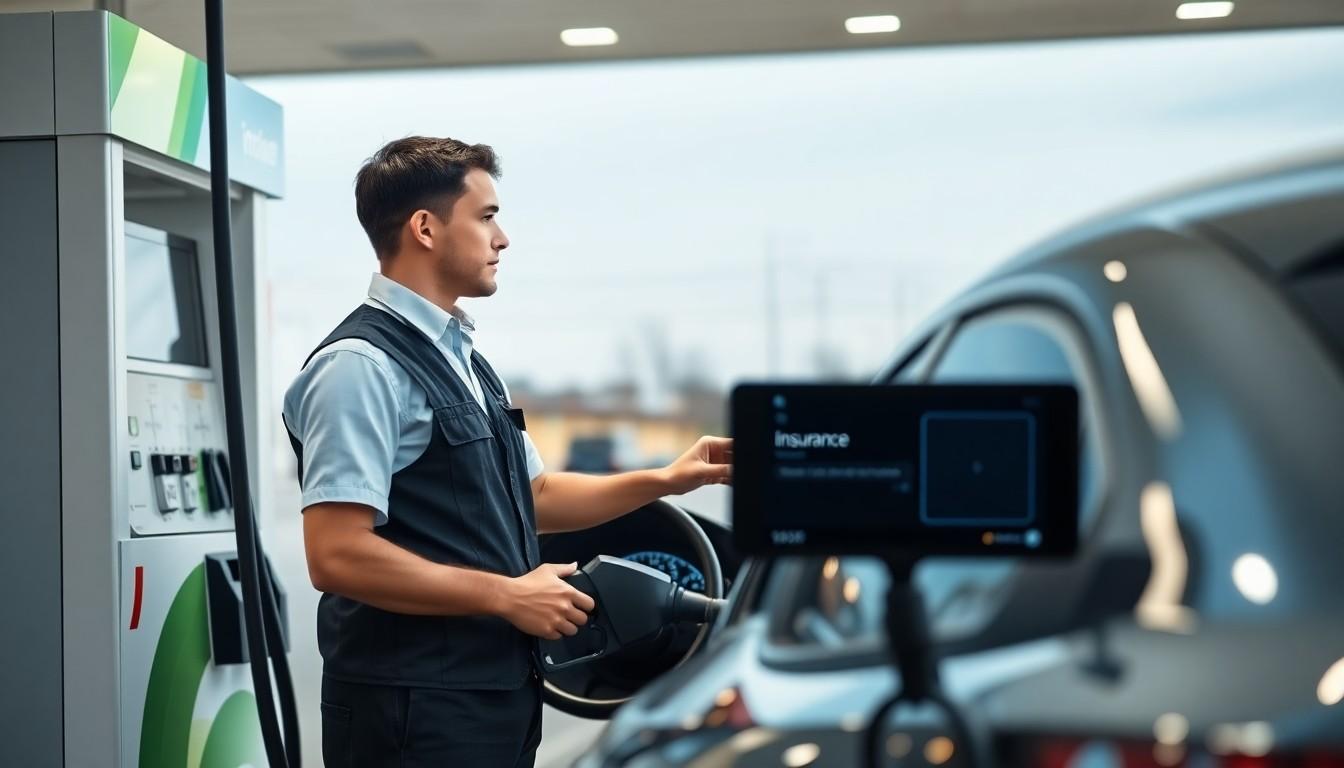

India’s Supreme Court explores the potential use of AI-driven ANPR technology to enforce insurance compliance, possibly paving the way for a ‘no insurance, no fuel’ rule amidst ongoing legal debates.
If a motorist one day reaches a fuel station and is told petrol will not be sold because the vehicle’s insurance has expired, that would mark a major shift in enforcement. For now, though, the idea remains only under consideration, after the Supreme Court asked the Centre to examine ways to tackle the large number of uninsured vehicles on Indian roads.
The court’s concern is grounded in a serious compliance gap. The lead report says about 56% of vehicles were running without third-party cover in 2024-25. Third-party insurance is the minimum policy that protects victims of crashes when the at-fault vehicle cannot pay compensation. The Supreme Court has already tightened the rules for new vehicles, making third-party insurance mandatory for 6 years for new two-wheelers and 4 years for new cars, up from 5 years and 3 years respectively.
The practical question is how any such check could work at a pump. The answer, if the government ever moves ahead, may lie in ANPR, or Automatic Number Plate Recognition, a camera system that reads registration plates and matches them against official records within seconds. The technology uses AI and optical character recognition, or OCR, and is already widely deployed at junctions, expressways and toll plazas to issue e-challans, trace stolen vehicles and support barrier-free toll collection.
That said, no national “no insurance, no fuel” rule is in force today. In August 2020, the Supreme Court set aside an order that would have denied fuel to vehicles without a valid pollution certificate, holding that such a blanket restriction was not authorised under the Central Motor Vehicles Rules, 1989. More recently, a district order in Kamrup, Assam, introduced a separate “No Seatbelt/Helmet, No Fuel” policy, showing that local authorities can try targeted enforcement, but only within the limits of law and procedure.
The broader trend is clear: courts and administrations are looking for tougher ways to force compliance, particularly where road safety and compensation for victims are at stake. In a separate December 2024 ruling, the Supreme Court also told lower courts handling accident claims involving uninsured vehicles to require security or a deposit from the owner, underlining how seriously it views uninsured driving.
Disclaimer: This article is intended to inform and educate, not to recommend or endorse any financial product, investment or strategy. Please consider your own financial circumstances and seek professional advice where appropriate before making financial decisions.