

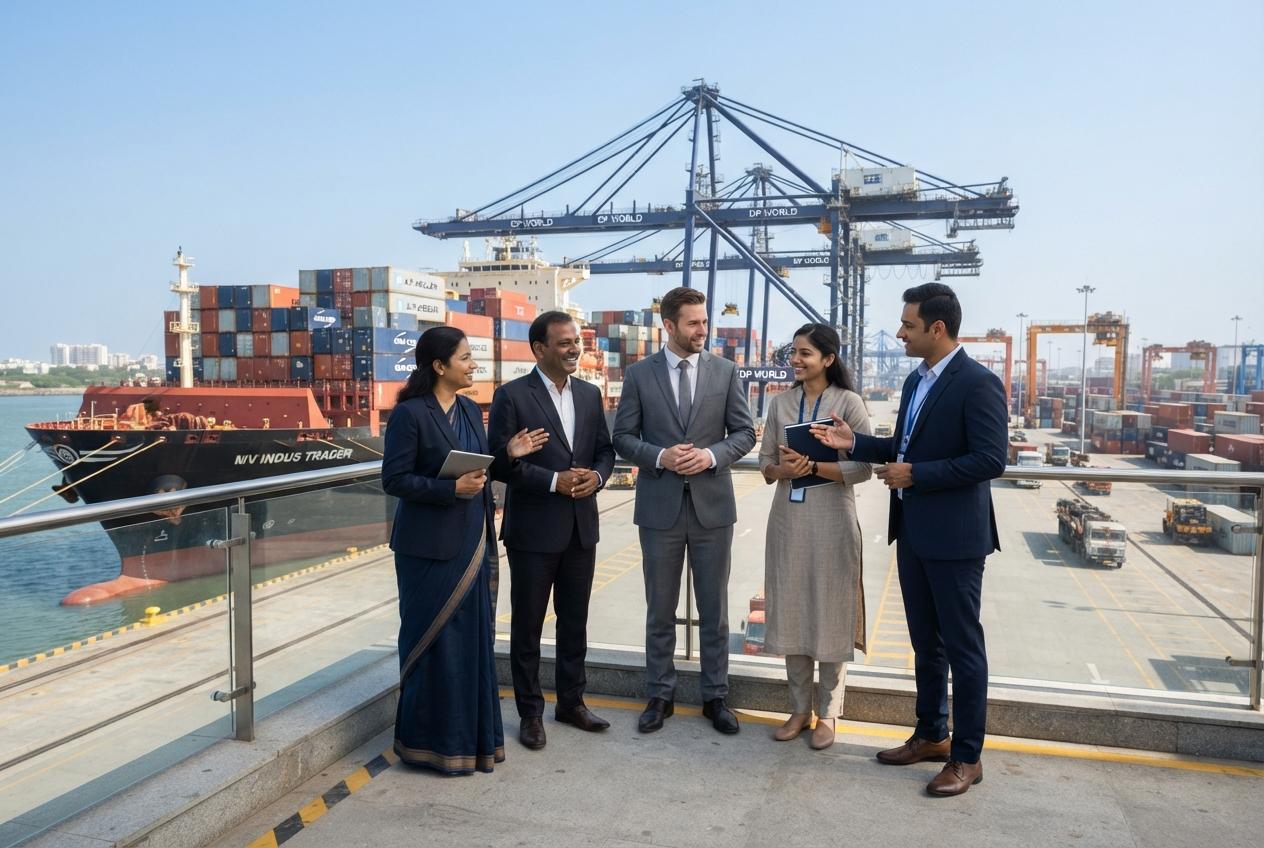

India’s recent trade agreements, including with the EU, promise vast export opportunities but highlight challenges like port delays and compliance hurdles that could determine the real success of these deals.
India has spent years pursuing preferential access to some of the world’s biggest markets, and the payoff is starting to take shape. After concluding trade deals with several key partners while talks continue with the United States and Canada, New Delhi has also agreed a pact with the European Union, opening what could be one of its largest export opportunities. The shift is significant: India is moving away from a more guarded approach to trade and towards deeper integration with global supply chains.
The India-EU agreement is central to that shift. According to KPMG, the deal could give Indian exporters preferential access to 97% of EU tariff lines, covering almost all trade value, with strong potential for labour-intensive sectors such as textiles, leather, footwear, gems and jewellery. The EU, meanwhile, would gain broader access to the Indian market in areas including machinery, high-technology equipment and automobiles, underscoring that the pact is as much about investment and industrial strategy as tariffs.
But trade specialists say the real challenge starts after the documents are signed. Access on paper does not automatically translate into shipments on the ground, especially when businesses must contend with compliance demands, documentation hurdles and uneven logistics. An Economic Times report on India’s latest export push said port delays, fragmented systems and slow customs clearance can quickly eat into the advantage created by lower duties, particularly for smaller firms that lack the scale to manage complex paperwork and certification requirements.
That point matters because the gains from these agreements will depend on whether Indian industry can compete on price, quality and delivery. The Canadian Export Development Corporation has noted that India’s tariff system remains high and complicated, with sensitive sectors such as agriculture still heavily protected even as non-farm goods face greater liberalisation through new trade deals. In practice, the winners are likely to be firms that can adapt to stricter standards, improve manufacturing efficiency and turn preferential market access into sustained export growth rather than one-off sales.
Disclaimer: This article is intended to inform and educate, not to recommend or endorse any financial product, investment or strategy. Please consider your own financial circumstances and seek professional advice where appropriate before making financial decisions.



