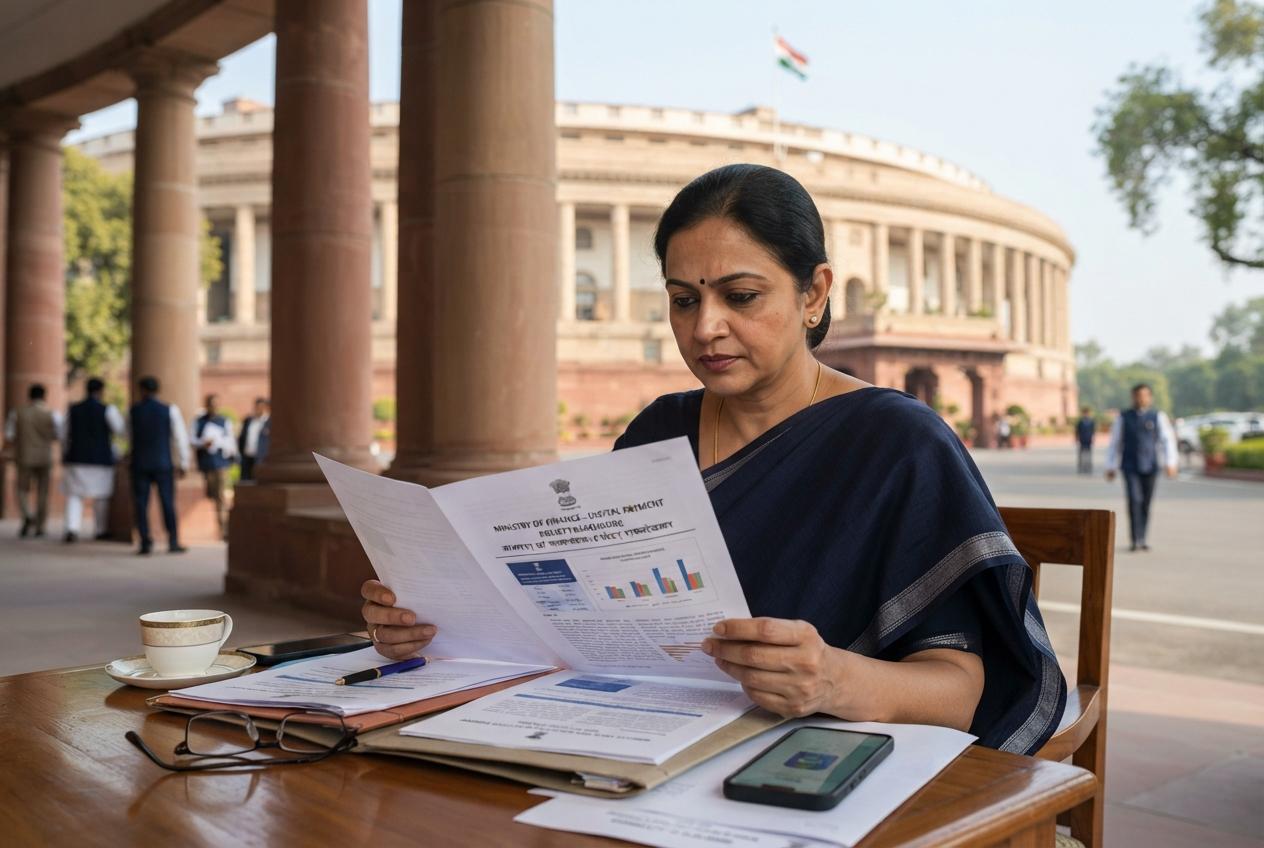

India’s parliament has paved the way for merchant fees on certain UPI transactions, marking a significant shift from the country’s long-standing zero-cost digital payment model for large businesses amid growing financial sustainability concerns.
India’s Parliament has opened the way for merchant fees on some UPI transactions, marking the clearest sign yet that the era of blanket zero-cost digital payments for large businesses may be ending. According to a TechTimes report, the Taxation and Other Laws (Amendment) Bill, 2026, changes the legal framework around the Payment and Settlement Systems Act and gives the government power to decide, by notification, which payment modes stay exempt from merchant discount rates. In plain terms, UPI is not becoming fee-bearing for everyone, but the long-standing legal ban on charging merchants has been loosened.
That matters because UPI has become the backbone of India’s digital payments boom. Industry data cited in the TechTimes report suggests the network processed about 241.6 billion transactions in fiscal 2026, while monthly volumes in July 2026 hit a fresh record. The policy shift also reflects a growing belief inside government and industry that the zero-MDR model, introduced in 2020 to speed adoption, is no longer easy to fund at scale. A March 2026 parliamentary committee reportedly said the system needed a more durable revenue model, while the Department of Financial Services flagged the strain of keeping the ecosystem going through subsidies alone.
For now, the likely focus is narrow. Livemint reported that any revived MDR would be aimed at large merchants and higher-value payments, leaving small businesses and consumers untouched. Another report said the working proposal under discussion is a fee of 5 to 7 basis points, or 0.05% to 0.07%, on UPI payments above ₹2,000, with the threshold for affected merchants set around annual turnover of ₹1 crore to ₹1.5 crore. That would leave the vast majority of merchants outside the charge, which is why the day-to-day experience for most users may not change much even if the economics for big retailers do.
The bigger impact is likely to fall on payment companies, banks and large merchants that have been building businesses around a system that has generated little direct payment revenue. A report on the issue said the zero-MDR regime has been costly to sustain, with government incentives covering only a fraction of industry operating costs. It also noted that payment firms have been leaning heavily on adjacent businesses such as lending, insurance and financial services because core UPI transactions have not paid enough on their own. Recent changes to NPCI’s RuPay credit card UPI fee structure, reported by Medianama and Financial Express, show the ecosystem is already adjusting its pricing architecture in smaller ways.
What should readers watch next? The bill itself does not set a rate or start date; those details will come later through government notification. That means the practical question is not whether India can charge merchant fees on UPI, but how widely and how soon it chooses to do so. For most households, small shops and peer-to-peer transfers, the current proposals still point towards zero charges. For larger merchants and the payment firms serving them, the policy change could finally turn UPI from a pure public utility model into a business with some room to earn.
Disclaimer: This article is intended to inform and educate, not to recommend or endorse any financial product, investment or strategy. Please consider your own financial circumstances and seek professional advice where appropriate before making financial decisions.