

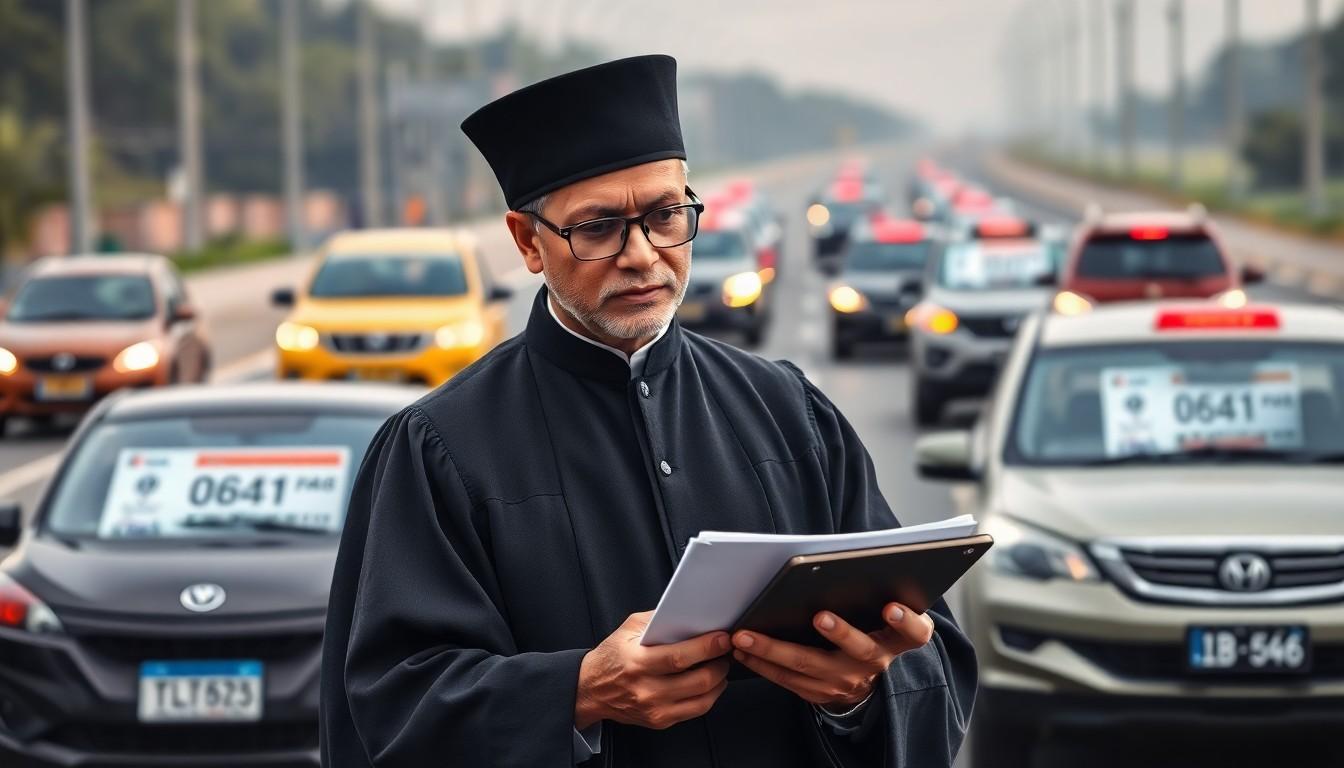

The Supreme Court of India is advocating a pilot project to implement a ‘No Insurance, No Fuel’ scheme, aiming to curb widespread non-compliance with mandatory third-party motor insurance through technological solutions like e-challans.
India’s Supreme Court is pushing the Centre to test a tougher way of enforcing motor insurance rules, after saying the scale of non-compliance is far higher than it should be. The court has asked officials to draw up a pilot project around a “No Insurance, No Fuel” approach, under which petrol pumps could be blocked from supplying fuel to vehicles that do not have valid third-party cover. The idea is not an immediate nationwide clampdown, but a trial to see whether technology can make the rule workable in practice.
The court’s concern is easy to understand. Third-party motor insurance is mandatory in India, yet the bench said about 56% of vehicles appear to be running without valid cover. That matters because third-party insurance is what helps pay compensation when someone is injured, killed or suffers damage in a crash caused by another driver. When vehicles are uninsured, victims can be left waiting longer for compensation, while disputes and claims can land in already crowded courts.
This is not the first time the court has tried to use insurance rules to change behaviour on the road. In 2017, it ordered insurers not to renew vehicle policies unless the owner produced a valid Pollution Under Control certificate, tying insurance to environmental compliance. A year later, the court moved again on long-term cover, requiring insurers to sell multi-year third-party policies with new vehicles so owners would be less likely to let cover lapse after the first year. NDTV reported that the 2017 pollution-linked rule was intended to make enforcement stronger, while reporting at the time in The Times of India and Mondaq said the long-term insurance order was meant to improve protection for accident victims and reduce lapses at renewal.
The latest directions go further by asking the Centre to explore digital enforcement, including an automatic e-challan system to flag uninsured vehicles without relying entirely on manual checks. The court also extended the mandatory third-party insurance period for new vehicles, with new cars now needing four years of cover and new two-wheelers six years at the point of purchase, according to the report cited by Trak.in. If implemented effectively, that could mean fewer people dealing with surprise renewal gaps, fewer uninsured claims on the roads and, in theory, a more predictable claims process for everyone involved.
For Indian motorists, the practical impact would depend on how the pilot is designed and whether fuel stations are given reliable real-time verification tools. For insurers, it could mean steadier long-term premium collection and fewer breakpoints in coverage. For households and small businesses that rely on scooters, motorcycles and cars every day, the bigger shift would be simple: keeping insurance up to date may become less of a paperwork issue and more of a condition for using the vehicle at all.
Disclaimer: This article is intended to inform and educate, not to recommend or endorse any financial product, investment or strategy. Please consider your own financial circumstances and seek professional advice where appropriate before making financial decisions.



