
India’s commerce minister says the EU’s carbon border rules risk making European industry less competitive, raising infrastructure costs and provoking countermeasures from trading partners.
Piyush Goyal has accused the European Union of putting its own industries at risk by imposing carbon-related costs on steel imports, arguing that the bloc’s climate rules could make European factories less competitive and push up prices for households and businesses. Speaking in Berlin at the Global Dialogue, India’s commerce and industry minister said measures such as the EU’s Carbon Border Adjustment Mechanism, or CBAM, were adding to the burden on manufacturers already facing high energy and compliance costs.
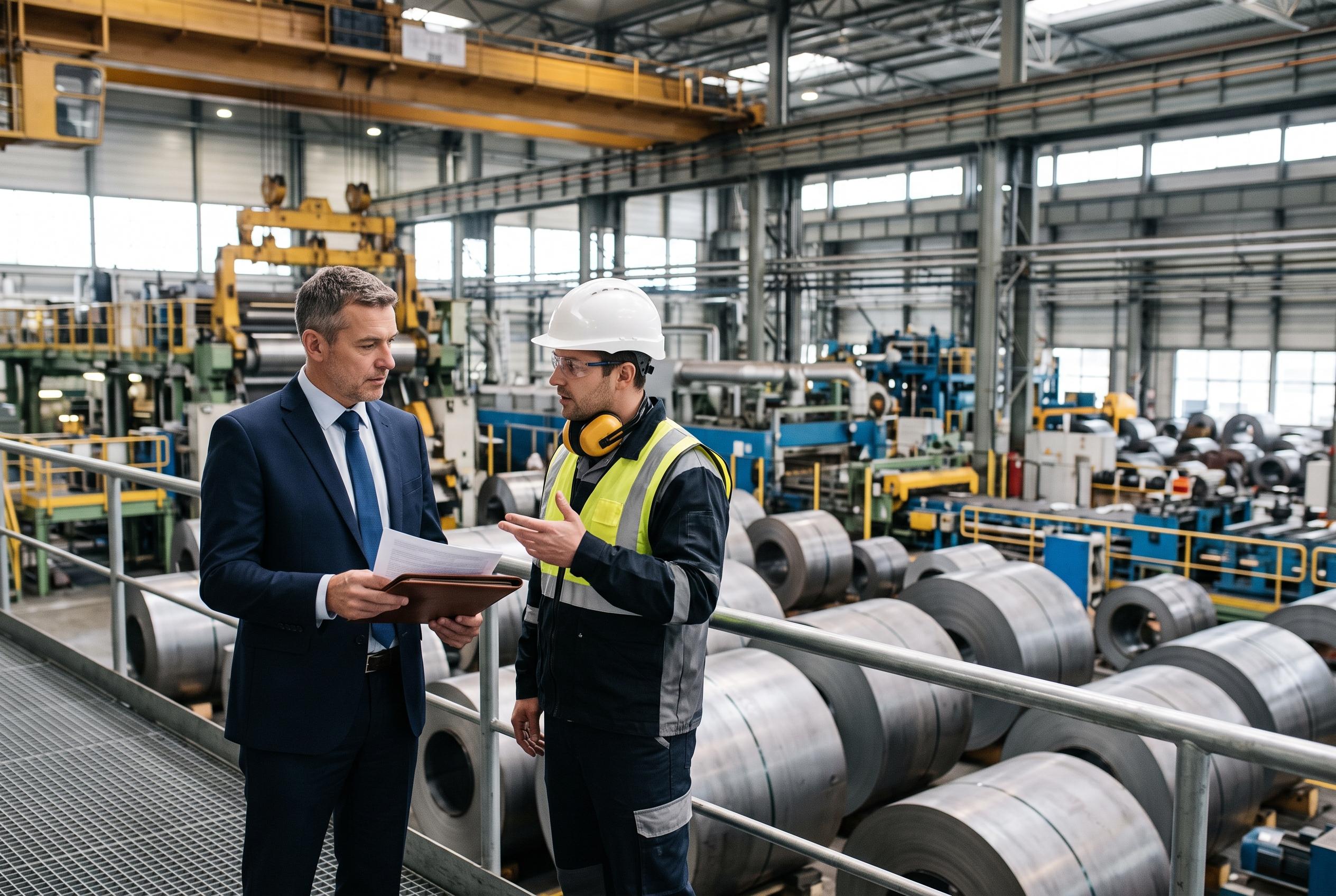
Goyal said the policy was effectively raising the price of steel and other basic industrial materials that sit at the heart of construction and manufacturing across Europe. He warned that higher input costs would ripple through major infrastructure projects, from ports and airports to roads, utilities and water systems, and said the result would be a broader increase in the cost of living. He also suggested that Europe could face retaliation if it keeps erecting regulatory barriers, with trading partners responding in kind.
The minister’s remarks come as the EU prepares to deepen the practical impact of CBAM, a mechanism designed to charge imported goods for their embedded emissions and prevent what policymakers call carbon leakage, where production shifts to countries with looser climate rules. Official EU material says the policy is meant to protect the bloc’s climate goals while encouraging cleaner industrial production outside the union, and requires importers to report emissions linked to covered goods during the transition phase. Research and policy analysis published by academic and international institutions suggest the mechanism is already changing trade patterns, with some higher-emission exporters cutting shipment sizes or lowering prices to remain competitive, while lower-emission producers stand to gain.
India has been among the countries voicing concern that the system could become a trade barrier as well as a climate tool. Goyal said India accounts for only a small share of global emissions while supporting a much larger share of the world’s population, and argued that New Delhi is seeking balanced trade ties that support competitiveness rather than penalise it. His comments reflect a wider debate that runs well beyond steel: whether border carbon measures can help drive greener production without distorting trade or raising costs for consumers in Europe and abroad.
Disclaimer: This article is intended to inform and educate, not to recommend or endorse any financial product, investment or strategy. Please consider your own financial circumstances and seek professional advice where appropriate before making financial decisions.