

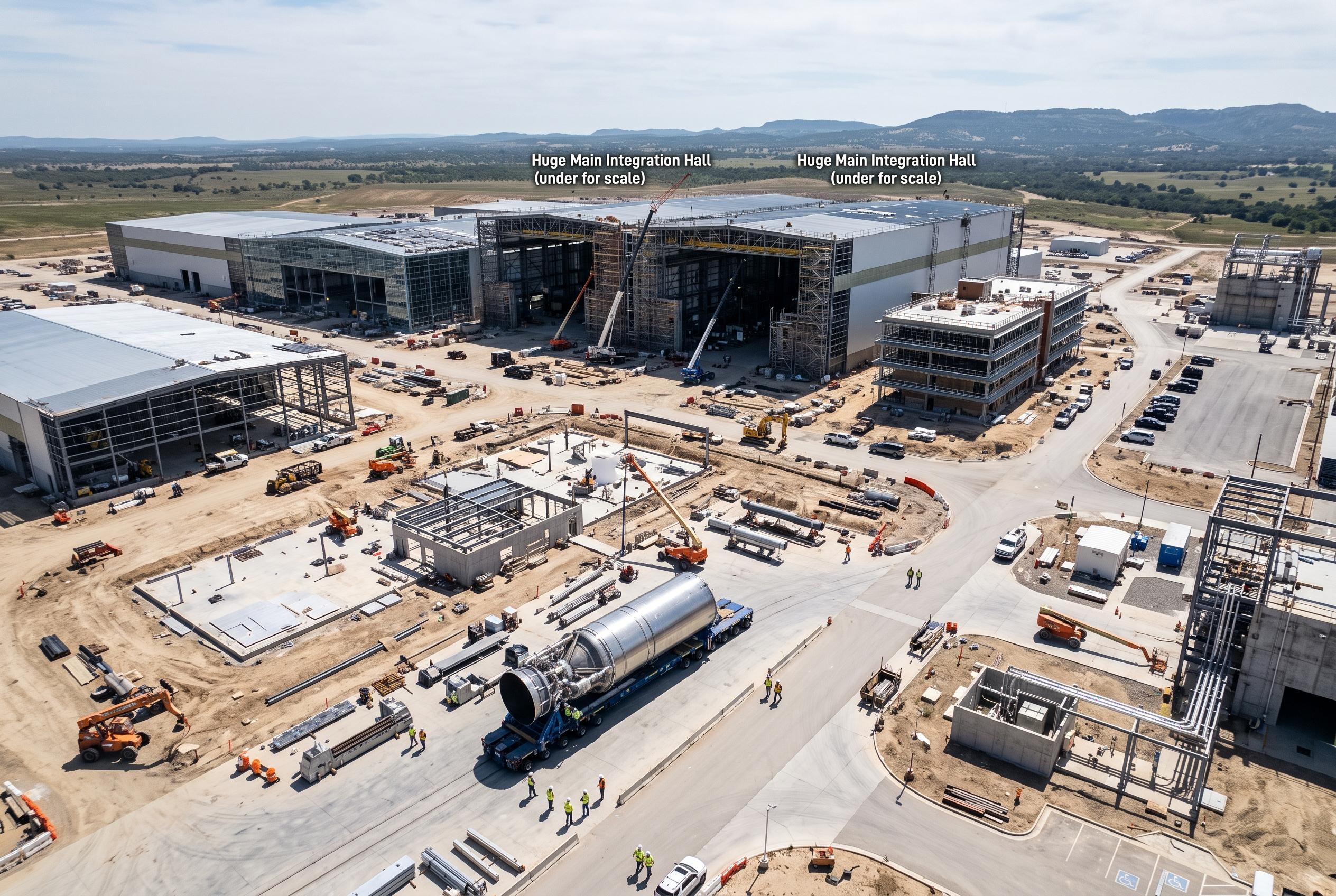

The IISc-incubated startup is expanding from propulsion research and early defence contracts towards a 120-acre manufacturing facility in Andhra Pradesh.
Bengaluru’s growing private space sector is producing more than launch vehicles and satellites. It is also creating demand for the harder-to-see engineering that makes them work. SpaceFields, a startup founded in 2021 by Rounak Agrawal, is positioning itself inside that layer of the market, developing solid propulsion systems for aerospace, defence and commercial space customers. According to Way2World’s account and reporting by YourStory, the company has raised INR53.5 crore to date, including a pre-Series A round of INR42.5 crore, as it tries to move from research into industrial-scale production.
The company’s pitch is built on a mix of research capacity and customer traction. SpaceFields operates from a 45,000-square-foot research and development site in Bengaluru’s Rajajinagar Industrial area, which YourStory said is certified by the Department of Scientific and Industrial Research. Bharat Space Map describes the business as an IISc-incubated propulsion startup working on aerospike rocket engines, solid composite sounding rockets and dual-fuel systems. It also says the company achieved India’s first privately built aerospike engine hot-fire test in 2024, underlining the technical ambition behind its broader manufacturing plans.
SpaceFields has also begun to translate that work into orders. Machinist reported in February that the company designed, manufactured and delivered a solid propulsion system to the Naval Armament Inspectorate of the Indian Navy, with hot-fire tests carried out both at SpaceFields’ own facility and at a naval site. Way2World and YourStory both said the startup has won five Innovations for Defence Excellence challenges and counts more than 16 customers across government and private sectors, including Bharat Electronics, Hindustan Aeronautics, Bharat Forge and drone startups. That mix suggests the company is trying to serve a wide set of buyers rather than rely on a single defence programme.
Intellectual property and scale-up plans are central to the next phase. Way2World said SpaceFields has filed 32 patents, 11 of which have been granted, while NDTV reported in June that the Andhra Pradesh government approved the allotment of 120.76 acres in Anantapur district for a solid propellant processing facility. Way2World separately said the startup had secured 121 acres for a large-scale manufacturing site, an apparent difference in rounding rather than in the underlying project. NDTV said the plan involves an investment of INR46.84 crore and could create about 300 skilled jobs, though such projections will still depend on execution, approvals and customer demand.
The bigger story is not only about one startup, but about the industrial base that India’s space ambitions will require. Way2World argues that the country’s rocket economy needs more than rockets: it needs propulsion, testing, materials, electronics and manufacturing capacity. That view is supported by the wider ecosystem around Bengaluru, where aerospace and defence clusters, IISc-linked research and state policy are helping startups move from prototype to production. If SpaceFields can convert its patents, grants and early customers into repeatable industrial output, it could become one example of how India’s private space market is building the machinery behind the launch.
Disclaimer: This article is intended to inform and educate, not to recommend or endorse any financial product, investment or strategy. Please consider your own financial circumstances and seek professional advice where appropriate before making financial decisions.



