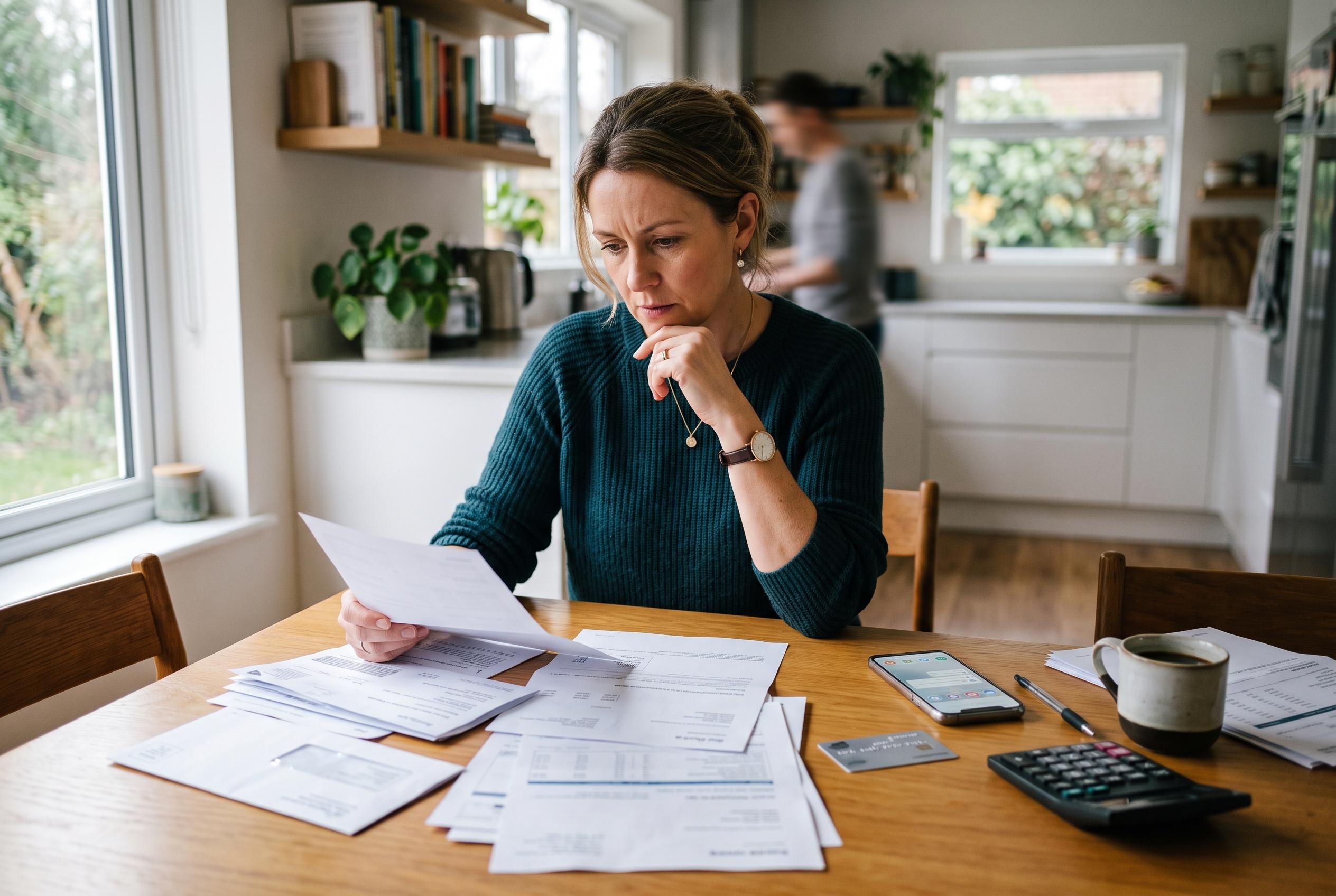

Buy now, pay later services are spreading into routine purchases, but rising late payments and multiple active loans are exposing the risks behind their frictionless appeal.
Buy Now, Pay Later services have moved from a niche checkout feature to a mainstream way of financing everyday spending, but the growth of firms such as Affirm and Klarna is also drawing fresh attention to the risks of debt that can build quietly across multiple purchases.
The appeal is easy to understand. Shoppers are offered an almost instant decision, often with only a soft credit check, and can divide the cost of a purchase into instalments instead of paying everything at once. That simplicity has helped BNPL products spread beyond fashion and electronics into routine expenses, including groceries, according to consumer research and federal analysis. The Consumer Financial Protection Bureau says the products are typically structured as short-term instalment loans, usually repaid in four or fewer payments, and has noted that the market has expanded rapidly since 2019.
The problem is that convenience can obscure the total burden. LendingTree data cited in recent consumer reporting found that 47% of BNPL users reported at least one late payment in the past year, up from 41% a year earlier and 34% two years before that. The same tracking data showed that about one in four users had three or more active loans at the same time, a pattern more common among younger adults. Consumer Reports has warned that users can lose track of due dates, or simply take on more instalments than their budgets can support.
That concern is not just theoretical. The CFPB’s market review found that annual BNPL origination volumes have risen into the tens of billions of dollars, while charge-off rates have remained below those of credit cards because most plans are short-lived. Even so, the bureau said late payments are trending higher, which suggests mounting pressure on household finances. The agency also noted that lenders have often not reported BNPL activity to consumer reporting companies, limiting visibility into how much debt shoppers may be stacking across providers.
For consumers, the practical trade-off is between flexibility and protection. Consumer Reports says traditional credit cards and loans from banks or credit unions may offer clearer dispute rights, more transparent long-term costs and stronger billing protections. The CFPB has also said consumers should read the terms carefully and make sure they can afford the scheduled payments before agreeing to a plan. As more BNPL firms begin sharing activity with credit bureaus, missed payments may increasingly affect credit scores, reducing the sense that these products carry little lasting consequence.
The broader lesson is that BNPL can be useful when it helps bridge a short-term gap, but it becomes far riskier when it is used repeatedly to cover routine spending. That tension, between access and overextension, is likely to shape the next phase of growth for Affirm, Klarna and their rivals.
Disclaimer: This article is intended to inform and educate, not to recommend or endorse any financial product, investment or strategy. Please consider your own financial circumstances and seek professional advice where appropriate before making financial decisions.