

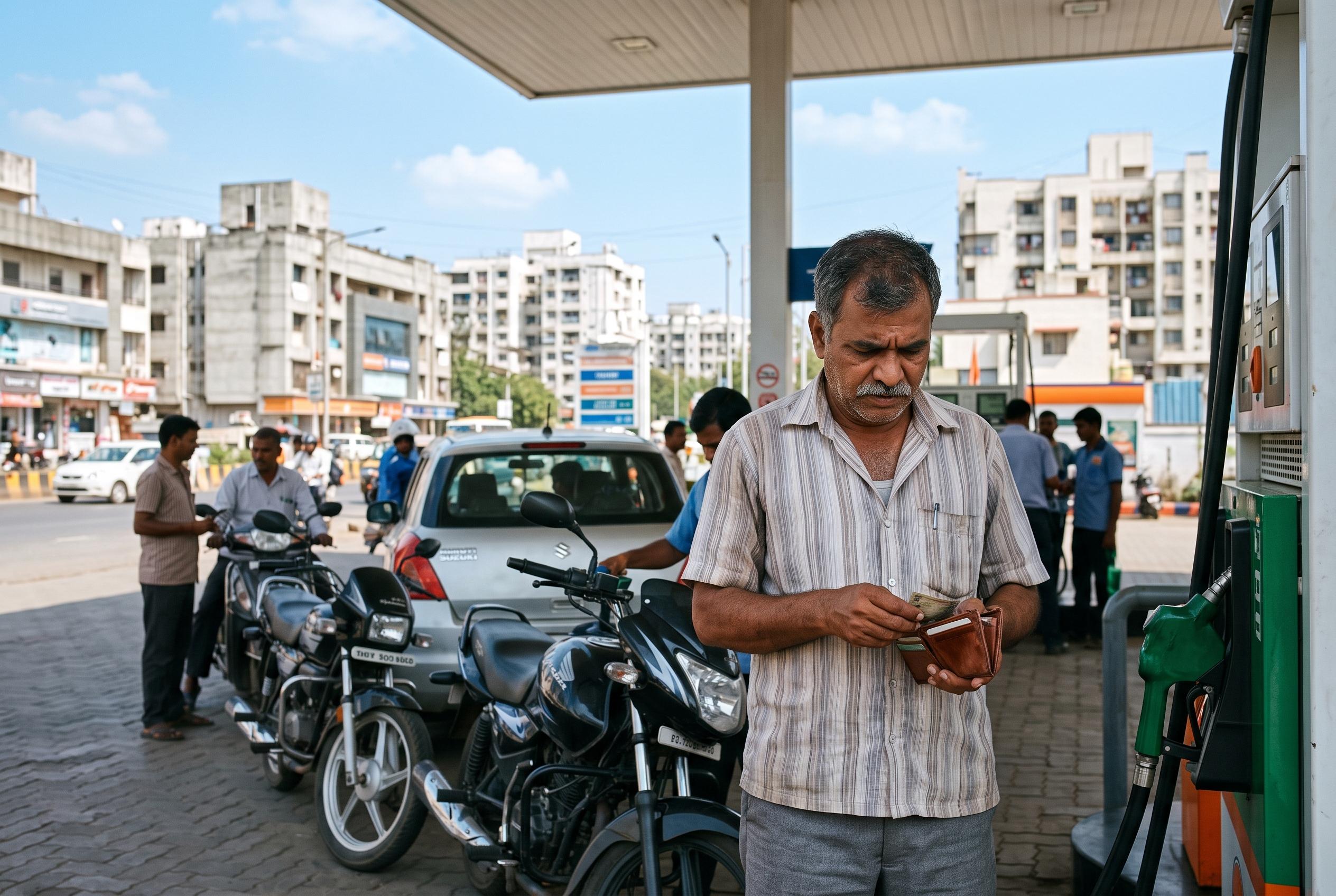

India has shielded itself from the initial energy shock by diversifying crude supplies, but sustained pressure on diesel and jet fuel could push up costs and strain public finances.
India could come under renewed inflation pressure if the Middle East conflict keeps energy costs elevated for longer, the International Monetary Fund has warned, in a fresh reminder of how quickly external shocks can upset price stability in Asia’s largest economies. In its latest Regional Economic Outlook for Asia and the Pacific, the fund said India has so far cushioned itself by shifting crude purchases to suppliers outside the Middle East, helping restore oil flows to pre-conflict levels. But it said that resilience may not last if the disruption drags on and keeps fuel prices high.
The IMF said the most immediate danger is not just in crude, but in refined products such as diesel and jet fuel, which have risen more sharply since the conflict intensified. That matters because those fuels feed directly into transport and industrial costs, with knock-on effects for businesses, households and public finances. The fund said higher energy prices could widen fiscal strains for governments already trying to balance support for vulnerable people with the need to keep debt under control.
Rather than broad fuel subsidies or price caps, the IMF urged governments to limit help to households most exposed to higher living costs. It said policy makers should preserve fiscal sustainability while using targeted and temporary support where needed. The warning comes as the fund also points to broader risks for the region, including uncertainty around artificial intelligence-related investment and tighter global financial conditions that could spill over into Asian markets.
For India, the IMF kept its 2026 growth forecast at 7%, saying private consumption and services activity should remain the main engines of expansion. It said stronger energy security, more investment in digital infrastructure and skills, and continued focus on price stability will be central to cushioning the economy against future shocks. The broader regional outlook also remains constructive: the IMF recently raised its 2026 growth forecast for Asia and the Pacific to 4.8%, citing strong supply chains and AI-linked investment, while warning that elevated energy prices and higher sovereign yields remain clear downside risks.
Disclaimer: This article is intended to inform and educate, not to recommend or endorse any financial product, investment or strategy. Please consider your own financial circumstances and seek professional advice where appropriate before making financial decisions.



