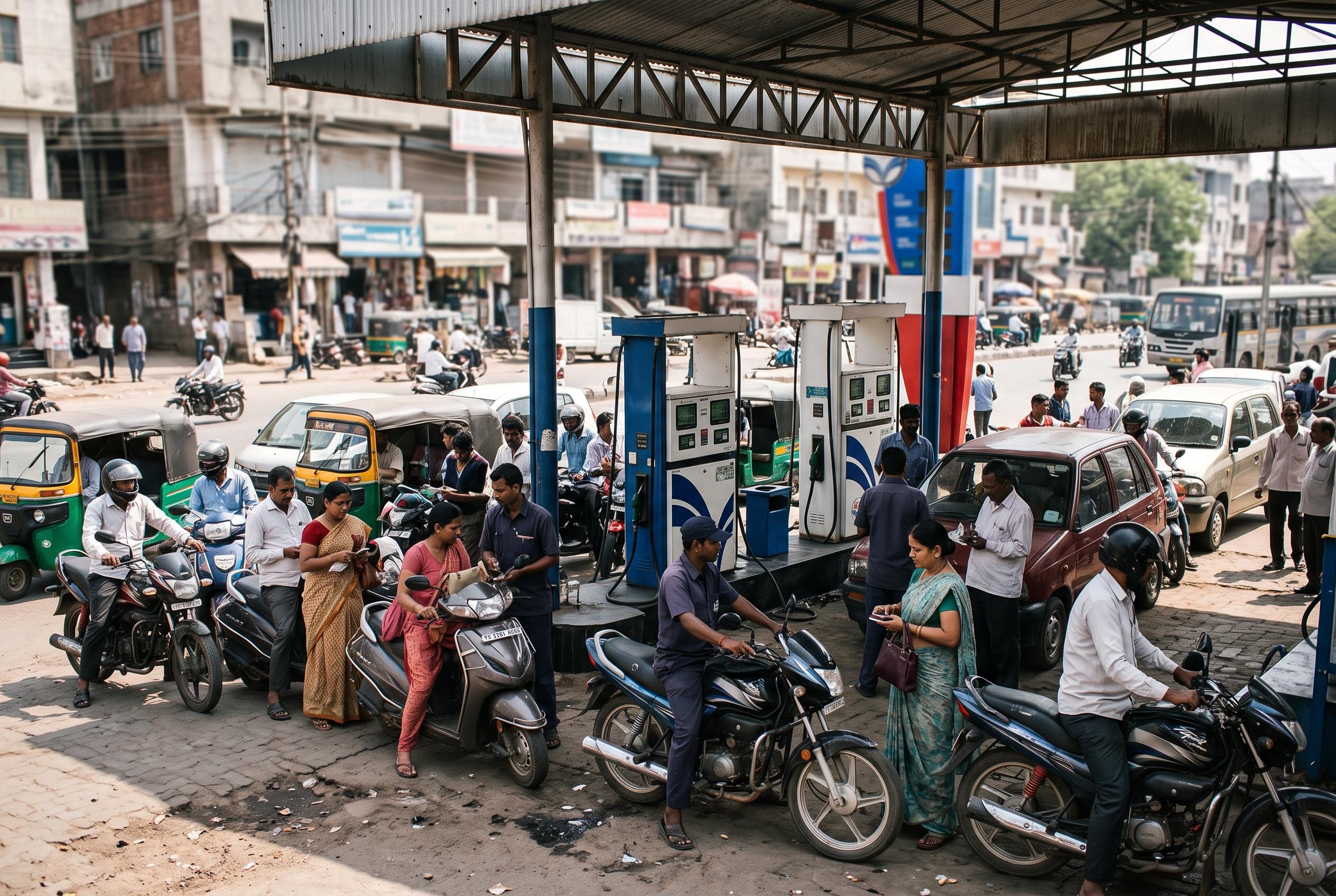

Renewed shipping and supply disruption fears have pushed Brent crude above $110 a barrel, threatening to raise transport and household costs in import-dependent India.
Brent crude has climbed back above $110 a barrel, reviving fears of higher fuel costs and added inflation pressure at a time when the global economy is already fragile. Reuters has reported that the move reflects renewed concern over supply disruption, while market updates from energy and trading outlets point to a combination of shipping attacks, regional tension and tighter product availability driving the rally. For import-dependent countries such as India, where foreign purchases account for most crude needs, the jump is more than a market headline: it is a direct risk to transport costs, household budgets and broader price stability.
The latest rise has been linked mainly to geopolitical strain in the Middle East, especially Houthi attacks on vessels and energy infrastructure that have forced shipping firms to take longer routes through the Red Sea and nearby chokepoints. Analysts also cite concern around Gulf supply lanes, including the Strait of Hormuz, and fresh worries about Russian export and refining capacity. Together, those factors have created a risk premium that is pushing traders to price in the possibility of further disruption rather than simply normal demand growth.
That matters because oil remains the backbone of transportation, manufacturing and power generation across much of the world. When Brent rises, the effect is rarely limited to the energy market itself. Higher crude typically lifts freight charges, raises the cost of moving goods, and feeds through into food, manufactured products and other essentials. Business analysis published this week says the dollar-denominated nature of crude also means that importing countries feel the squeeze quickly, often through weaker currencies and faster inflation.
In India, the immediate question is whether petrol and diesel prices will move higher. The answer is not automatic. Retail pricing depends on more than the daily spot price of crude, including tax policy, inflation trends and the political sensitivity of fuel costs. Public-sector oil marketing companies generally watch average trends over a period of days before passing on any sharp increase, which gives them room to wait if the rally proves temporary. If prices remain elevated for longer, the government could also consider trimming excise duty or allowing state-level tax relief to soften the blow.
For now, the danger is not just to motorists but to the wider economy. If fuel prices stay high, logistics costs would rise and that could feed into the prices of vegetables, staples and other everyday items. That is why officials are likely to prefer stability, even if it means absorbing some pressure in margins. Industry watchers say recent buying patterns and earlier discounts on Russian crude have given Indian refiners some cushion, but that buffer may be tested if Brent stays above $110 for long.
Disclaimer: This article is intended to inform and educate, not to recommend or endorse any financial product, investment or strategy. Please consider your own financial circumstances and seek professional advice where appropriate before making financial decisions.