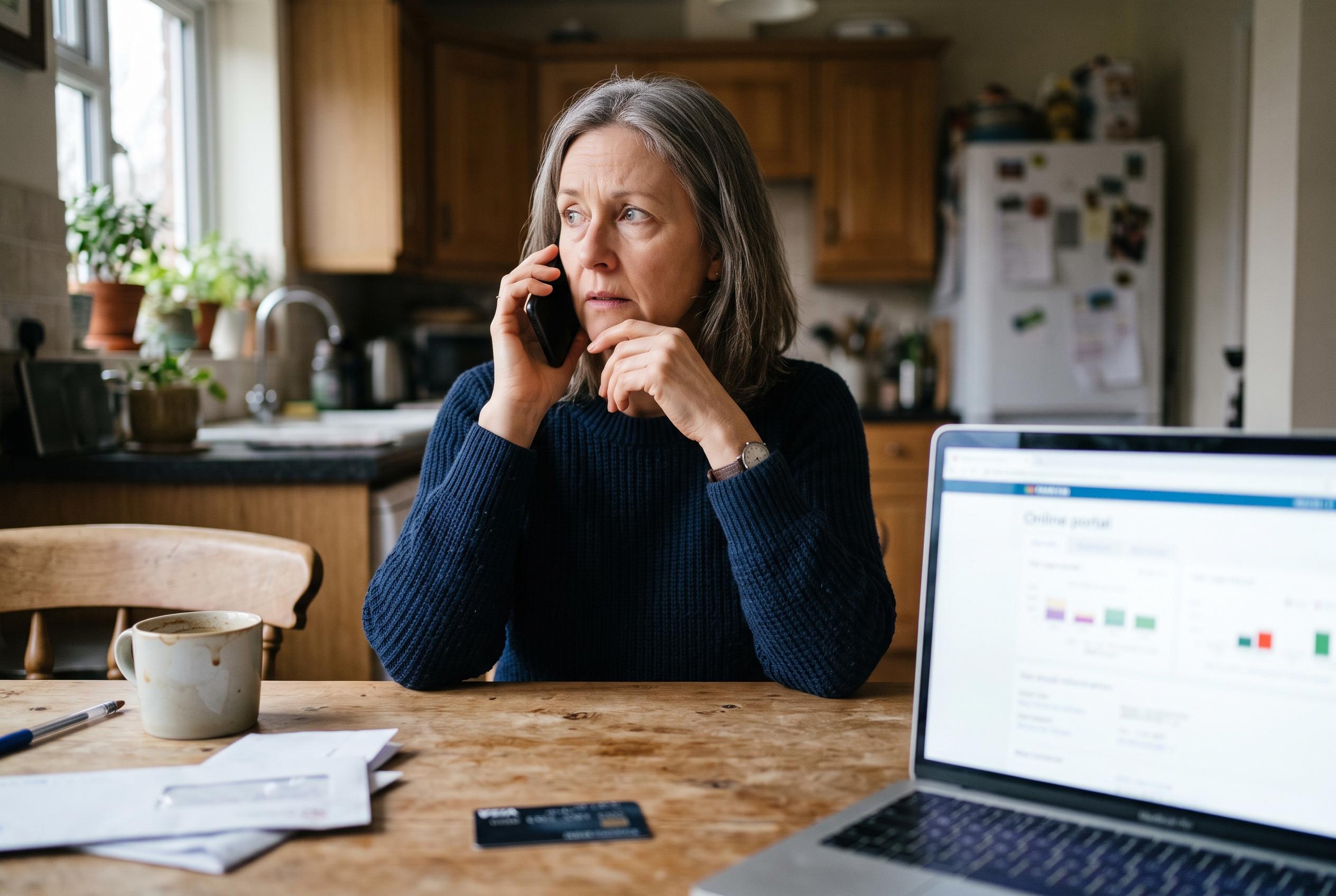

Impostors posing as Capital One fraud staff use plausible warnings and urgent requests for codes, transfers or device access to deceive customers.
A convincing fraud call can sound like protection, not danger. That is what makes the Capital One impersonation scam so effective: the caller often seems calm, knowledgeable and concerned, which can lower a victim’s guard at exactly the wrong moment.
According to Capital One’s fraud guidance, scammers commonly pose as legitimate companies and try to pressure customers into giving away personal details or sending money. The bank says people should be wary of unsolicited calls or messages and should verify any doubtful contact by using trusted details, rather than relying on the number or name displayed on the screen. The Better Business Bureau’s Scam Tracker includes a complaint describing a caller who claimed to be from Capital One’s fraud department, issued a callback number and an application reference, and was later found to have no legitimate record when the customer checked directly with the bank.
The scam often works because it mirrors something banks genuinely do. A warning about suspicious activity feels plausible, and a caller who knows the bank’s name or a few account details can sound persuasive. But that information is not proof of identity. Capital One’s scam education materials stress that customers should treat unexpected contact with caution and confirm any concern by reaching the bank through an independent channel. That approach matters because caller ID can be spoofed, making a false call appear to come from a familiar number.
The danger usually emerges in the next step. Once the caller has created urgency, the conversation may turn towards a verification code, a password, a transfer to a so-called safe account, or instructions to install software or follow a link. Capital One warns that impersonation scams often rely on exactly that kind of pressure. ScamTexts.com also notes that fake Capital One fraud alerts can arrive by text and attempt to draw out sensitive information, underscoring that the same basic trick is used across phone calls and messages alike.
The safest response is simple: end the contact and reach Capital One yourself using a trusted number from the back of your card or the bank’s official website. If you have already shared information, approved a payment or given anyone access to your device, the bank should be told immediately, along with exactly what was disclosed and what action you took. Capital One says it provides reporting routes for suspicious communications, while broader scam education from the bank and consumer watchdogs points to the same rule: independent verification is what protects the account, not the caller’s explanation.
Disclaimer: This article is intended to inform and educate, not to recommend or endorse any financial product, investment or strategy. Please consider your own financial circumstances and seek professional advice where appropriate before making financial decisions.