

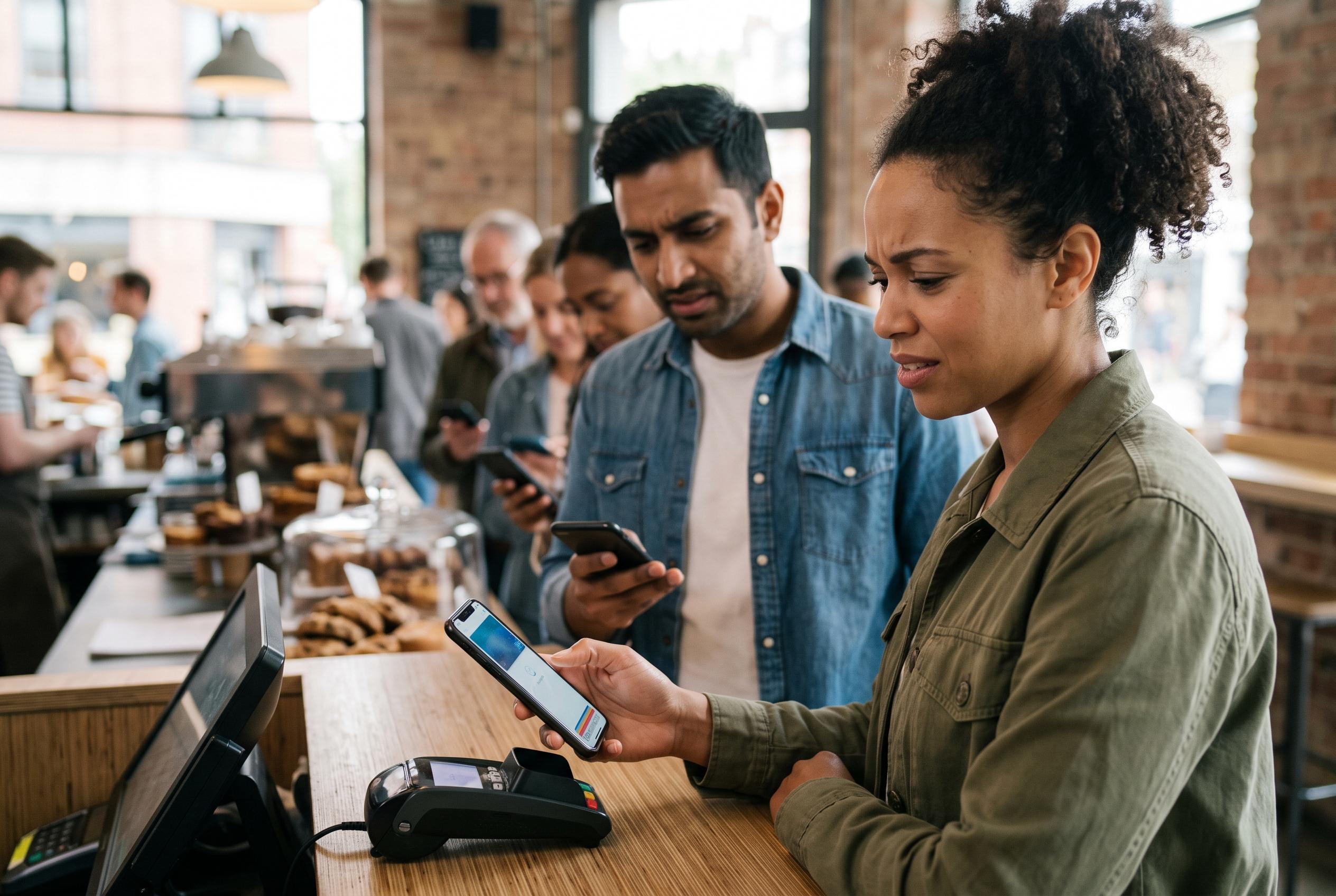

As UPI charging rules come under renewed scrutiny, platform, convenience and handling fees are turning supposedly frictionless online payments into a growing source of revenue , and consumer frustration.
India’s latest debate over merchant discount rates on UPI has reopened a broader question: why do digital transactions so often come with extra levies that seem to sit uneasily with the promise of frictionless payments? According to The Indian Express, platform fees, convenience charges and other add-ons have spread across food delivery, e-commerce, entertainment and travel, turning what was once sold as convenience into a fresh source of revenue for online businesses.
That trend has become especially visible as digital payments have shifted from an option to the default way many Indians buy goods and services. Food delivery platforms such as Swiggy and Zomato now routinely add platform fees, while Amazon India charges a servicing fee on most orders. Bookings for films, rail journeys and flights can all pick up separate handling or convenience charges, often at the point of payment rather than at the start of the search process. The Indian Express said Swiggy began with a small transaction add-on three years ago, but the practice has since been adopted more widely across the sector.
The sums involved are no longer trivial. IRCTC, the state-run railway ticketing platform, charges convenience fees on e-ticket bookings, with lower rates for payments made through BHIM or UPI in what it says is an effort to support digital adoption under the government’s Digital India push. The Indian Express reported that IRCTC’s convenience-fee income rose to Rs 248 crore in the June 2026 quarter, accounting for more than 18% of total revenue and more than two-thirds of revenue from e-ticketing services. Industry analysts have also estimated that Swiggy and Zomato each make roughly Rs 1,000 crore to Rs 1,200 crore annually from platform fees.
The pricing model is drawing criticism because the customer often sees the full bill only after moving deep into the checkout flow. Travel and ticketing sites commonly show an initial fare, then add taxes, surcharges and finally a convenience fee just before payment. India’s guidelines on dark patterns define drip pricing as a practice in which key elements of the price are withheld until later in the user journey or disclosed only after purchase confirmation. The Consumer Affairs department has already acted against some of these tactics: in August, the Central Consumer Protection Authority fined Zepto Rs 7 lakh after finding that the quick-commerce company had shown lower prices up front while adding handling charges and membership fees without clear consent.
The renewed scrutiny also comes against the backdrop of fresh changes to UPI charging rules. Business Standard reported that from October 15, merchant discount rates will apply to certain person-to-merchant UPI payments above Rs 2,000, but the cost will fall on merchants rather than customers. Livemint said the rate has been set at 0.4% for such transactions, with a cap of Rs 300 for larger payments, and that person-to-person transfers will remain free. For consumers, that means the headline controversy over UPI has less to do with direct payment fees and more to do with the wider ecosystem of hidden or semi-hidden charges that now shape the final price of many online purchases.
Disclaimer: This article is intended to inform and educate, not to recommend or endorse any financial product, investment or strategy. Please consider your own financial circumstances and seek professional advice where appropriate before making financial decisions.



