

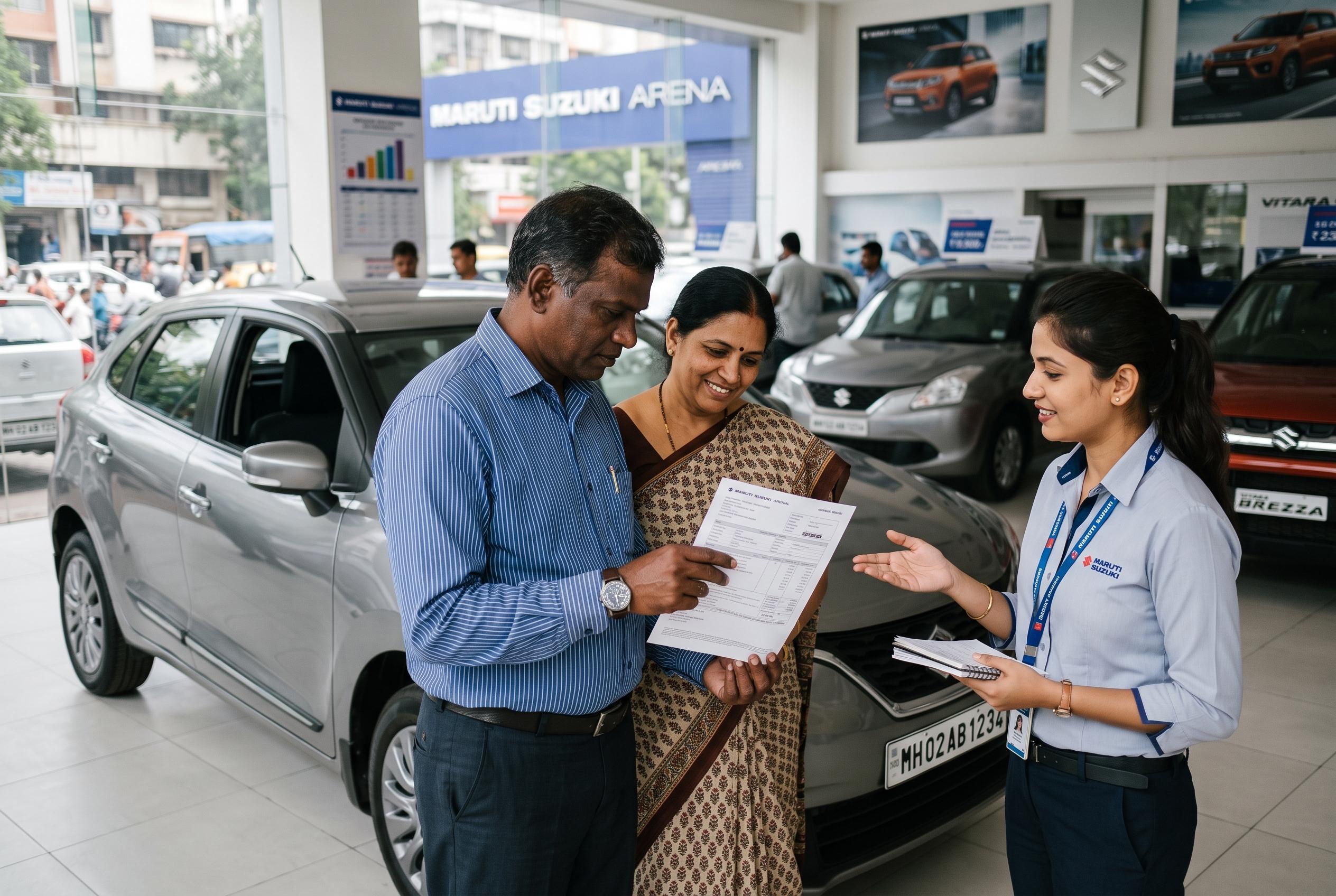

Handling fees, bundled insurance, showroom accessories and vague registration charges can inflate a new car’s final bill , but buyers who challenge each line may save tens of thousands of rupees.
Car buyers in India often focus on the ex-showroom price, but that figure is only the starting point. By the time insurance, registration, accessories and paperwork are added, the amount due at delivery can rise sharply. CarToq notes that on a vehicle priced at about Rs 15 lakh, careful buyers may be able to trim the final bill by tens of thousands of rupees if they push back on avoidable charges and compare offers properly.
One of the most important areas to challenge is the so-called handling or logistics fee. Several Indian consumer-focused reports and legal explainers say these charges, which dealers may describe as transport, stockyard movement, inspection or preparation costs, are not an essential part of the car’s price and have repeatedly been questioned before consumer forums. Some dealer groups still try to present them as routine, but buyers are generally advised to ask for the charge to be removed from the quote and to seek a written explanation if the dealership refuses. According to reports on consumer rulings and regional transport action, dealers have faced pressure in the past over such levies.
Insurance is another area where the gap between what a dealer offers and what the open market can provide may be significant. CarToq says dealer-bundled policies can be inflated by commissions and may include add-ons that are not always useful, while the best approach is to compare quotes using the exact variant, state registration details and insured declared value. Industry guidance also suggests checking the value of extras such as engine protection and return-to-invoice cover, rather than accepting a bundled package without scrutiny. The practical saving, CarToq says, can be sizeable on a Rs 15 lakh car.
Accessory packs deserve the same scepticism. Dealers often present mats, mud flaps, perfume, body covers and decorative add-ons as though they are part of the purchase, but CarToq says they are not compulsory. The publication advises buyers to be especially selective with items linked to the car’s electrical systems, such as cameras or lamps, while shopping independently for routine accessories where possible. Because dealer margins on accessories can be high, the price difference between showroom bundles and aftermarket equivalents can be substantial.
Finally, buyers should examine the registration line by line. Road tax and registration fees are statutory, but documentation, liaison and file-processing charges are often dealer-imposed extras that may not be necessary. Reports on Indian dealer practices and transport department warnings say consumers should separate official government payments from the dealer’s own service fees, and ask for receipts or a detailed breakup before paying. CarToq says high-security registration plates should also be checked carefully so they are not hidden inside vague miscellaneous charges. In short, the total saving will vary by car, state and insurer, but a vigilant buyer can often cut a meaningful amount from the on-road price.
Disclaimer: This article is intended to inform and educate, not to recommend or endorse any financial product, investment or strategy. Please consider your own financial circumstances and seek professional advice where appropriate before making financial decisions.



