

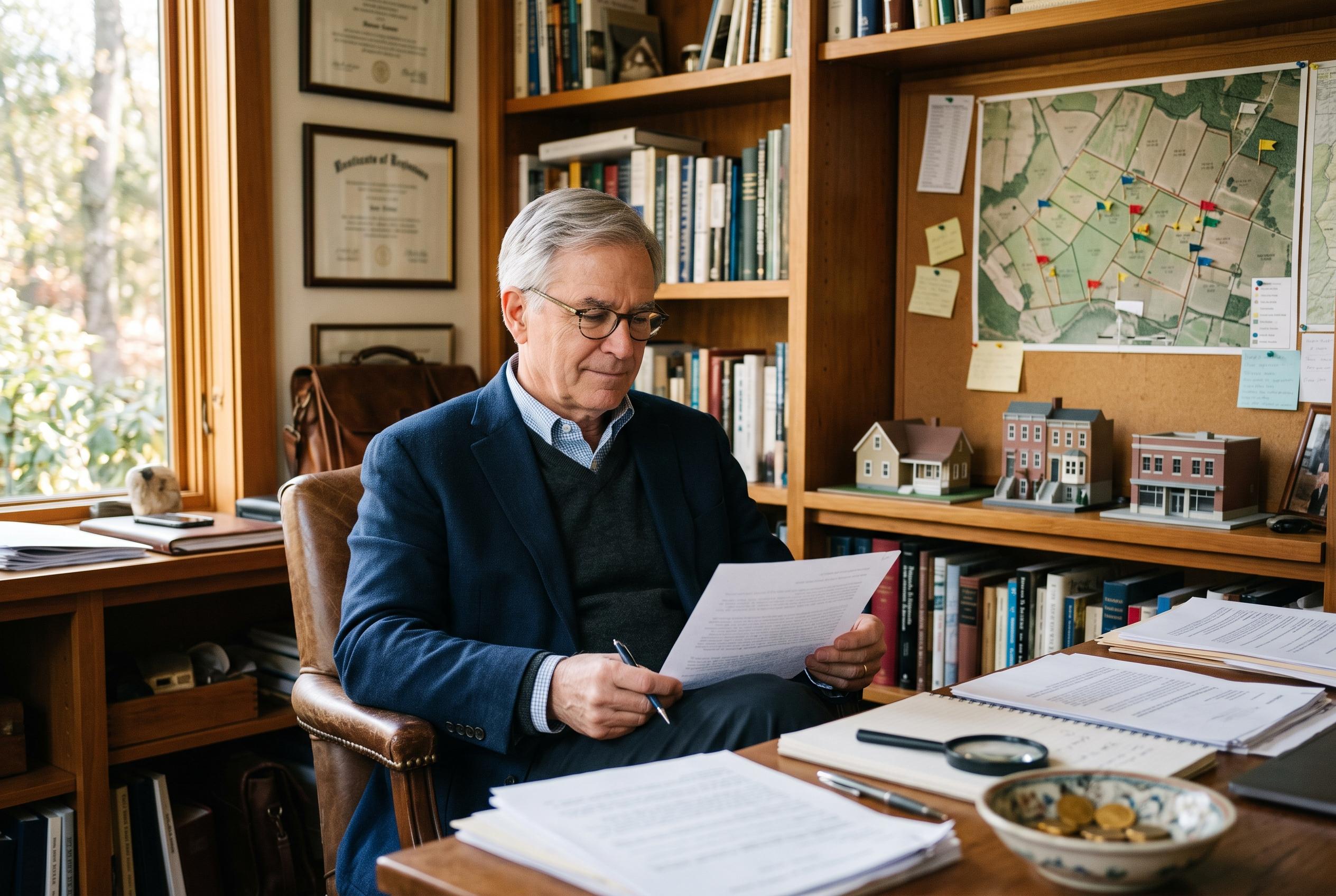

J.P. Singh’s strategy of spreading retirement funds across savings, property, land and gold highlights why financial security in later life depends on careful management , and staying active.
After retirement, the size of the payout matters less than how carefully it is managed. That is the central lesson from retired English department head J.P. Singh of R.K. College in Madhubani, whose own approach has been to divide his retirement money across several needs rather than leave it parked in one place. Singh, who is in his nineties and remains active in reading, writing and literary events, said the aim is not just financial survival but a dignified and independent old age.
Singh’s experience reflects a principle long repeated by retirement specialists: a sound retirement plan is built on more than one pillar. Kiplinger says retirees should keep track of dependable income, assess how resilient their plans are under pressure, understand the tax impact of withdrawals and prepare for the transfer of wealth if they want their money to last. In practice, that means treating retirement funds as a working system, not a lump sum to be spent casually. A retiree may need a liquid cash reserve for emergencies, while also holding assets that can support longer-term goals or provide inflation protection.
That is why Singh’s preference for spreading funds across bank savings, property, land and gold is a familiar one in many Indian households. He says part of his retirement money was kept in the bank for sudden needs, while other portions went into a house in his village and agricultural land. He also sees land and gold as backup assets that can be useful in difficult times. Financial planners would describe that as a form of diversification, the idea that different assets can behave differently and reduce the risk of relying on a single source. The broader point is that retirees should match their choices to their own needs, their tolerance for risk and how quickly they may need access to cash.
Singh also argues that retirement should not be reduced to a balance sheet. He says older people need purpose, social connection and self-respect as well as money, and he has tried to remain engaged through writing, teaching and organising literary gatherings. That wider view fits with the advice from retirement planning experts who say money decisions should be reviewed regularly, not made once and forgotten. Kiplinger recommends that retirees keep annual plans under review, and for those taking required minimum distributions from retirement accounts, timing and tax planning can make a meaningful difference. Singh’s message is simpler: set aside enough for security, share what you can with family and society, and stay active enough to make retirement feel like a stage of life rather than a withdrawal from it.
Disclaimer: This article is intended to inform and educate, not to recommend or endorse any financial product, investment or strategy. Please consider your own financial circumstances and seek professional advice where appropriate before making financial decisions.



