
The GSMA says widespread fraud fears threaten India’s digital ambitions, prompting telecom operators to build stronger identity and scam checks into their networks.
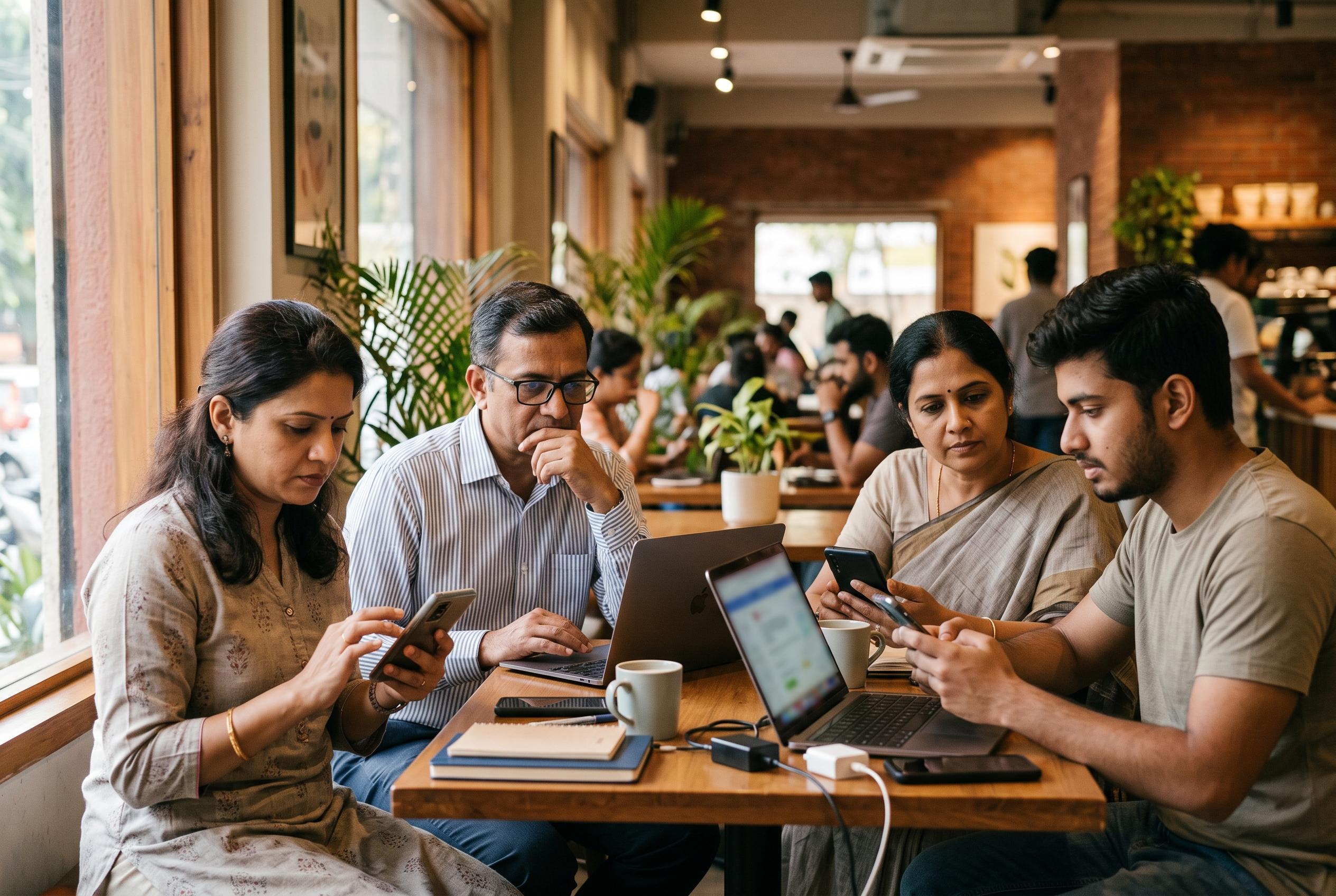
Online fraud is doing more than draining wallets in India; it is reshaping how people behave online. At the India Mobile Congress in New Delhi, Julian Gorman, the GSMA’s head of Asia Pacific, said a survey found that about 70% to 72% of Indians are changing the way they use the internet because they fear scams. He added that roughly one in eight Indians has fallen victim to an online scam in the past 12 months, and that many who complain do not receive a satisfactory resolution.
That erosion of confidence matters because India is trying to position itself as a global digital leader, from 5G expansion to the longer-term transition to 6G. Gorman argued that protecting trust in online services should be treated as a core industry priority, not an afterthought. The point is reinforced by GSMA research released separately, which found that more than half of Indians have been scammed and that 14% reported financial losses. The same study showed 58% of consumers were highly concerned about scams, while 84% believed they were increasing.
The telecom industry is responding by trying to build fraud checks into the network itself. In October 2025, Bharti Airtel, Reliance Jio and Vodafone Idea announced work with the GSMA Open Gateway initiative on federated network services designed to help online businesses verify customers and reduce identity theft. GSMA said scams in India are commonly delivered through email, text messages and messaging apps, while online dating and QR code fraud appear to be more common there than in other parts of Asia.
Gorman also pushed back on the idea that satellite internet will replace mobile networks. He said services such as Starlink are more likely to complement existing telecom infrastructure than displace it, especially in remote places and at sea. That view reflects the reality that India’s mobile broadband already reaches more than 98% of the population, making the bigger challenge not coverage alone but affordability, uptake and trust.
Pricing remains a major obstacle. Gorman said India already has some of the cheapest mobile internet tariffs in the world, which makes mass adoption of costly satellite connections unlikely. In his view, the larger policy task is to bring the millions who still do not use mobile broadband into the digital economy, while also creating a healthier investment climate for operators so they can expand 5G and prepare for 6G.
The GSMA expects the Asia-Pacific mobile market to grow from about $1 trillion to roughly $1.4 trillion by 2030, with India’s 5G adoption projected to reach 62%, above the regional average. Gorman said global 6G standards could be agreed around 2028, with commercial deployment likely in the early 2030s. Yet the latest message from the industry group is that technological ambition will count for little if users do not feel safe enough to trust the services built on it.
Disclaimer: This article is intended to inform and educate, not to recommend or endorse any financial product, investment or strategy. Please consider your own financial circumstances and seek professional advice where appropriate before making financial decisions.